

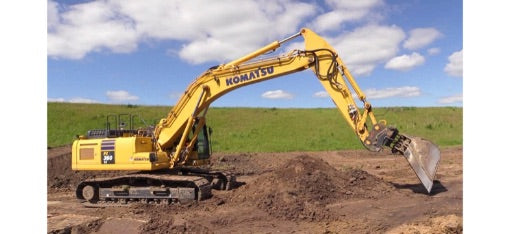
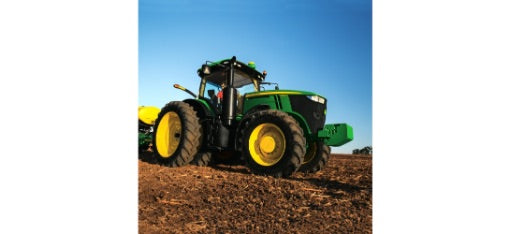
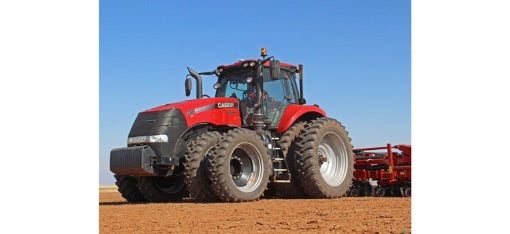
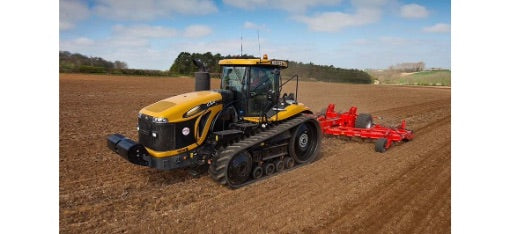



What if the difference between a record harvest and a season of lost profit wasn't the weather, but the ability to press "reset" on a sensor error yourself? In 2026, the most valuable tool in your shop isn't a wrench or a welder; it's the software that grants you entry into your machine's brain. You've likely spent years feeling like a guest on your own land, waiting days for a dealer technician to arrive just to clear a simple limp-mode code while your crops sit in the field. With the recent FTC and EPA rulings finally opening the door to the right to repair, owning a high-quality farm equipment diagnostic tool has shifted from a luxury to an operational necessity.
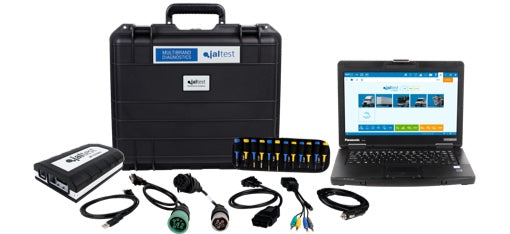
We understand the frustration of seeing a cryptic fault code without the means to address it. This guide will show you how to leverage advanced agricultural diagnostic solutions to bypass dealer lockouts and maximize machine uptime. We'll examine the industry's leading multi-brand systems, such as the Jaltest AGV Kit, which provides the technical transparency you need to perform your own calibrations and parameter adjustments. By the end of this article, you'll know exactly which tools provide the best return on investment for your specific fleet and how to regain your mechanical independence.
Key Takeaways
- Understand how the 2026 Right to Repair legislation and EPA rulings empower you to access your machine's ECU and perform repairs that were previously dealer-locked.
- Identify the critical features of a professional farm equipment diagnostic tool, such as bi-directional controls and cylinder cut-out tests, that go far beyond basic code reading.
- Learn how to manage a mixed fleet of tractors, combines, and telehandlers using a single hardware interface, eliminating the need for multiple expensive OEM subscriptions.
- Calculate the financial benefits of independent diagnostics by comparing the one-time investment of a kit against recurring dealer service calls and travel fees.
- Discover how the Jaltest AGV ecosystem combines ruggedized hardware with technical training and remote support to ensure your operation remains stable and productive.
Beyond Fault Codes: Why Farmers Need Independent Diagnostics
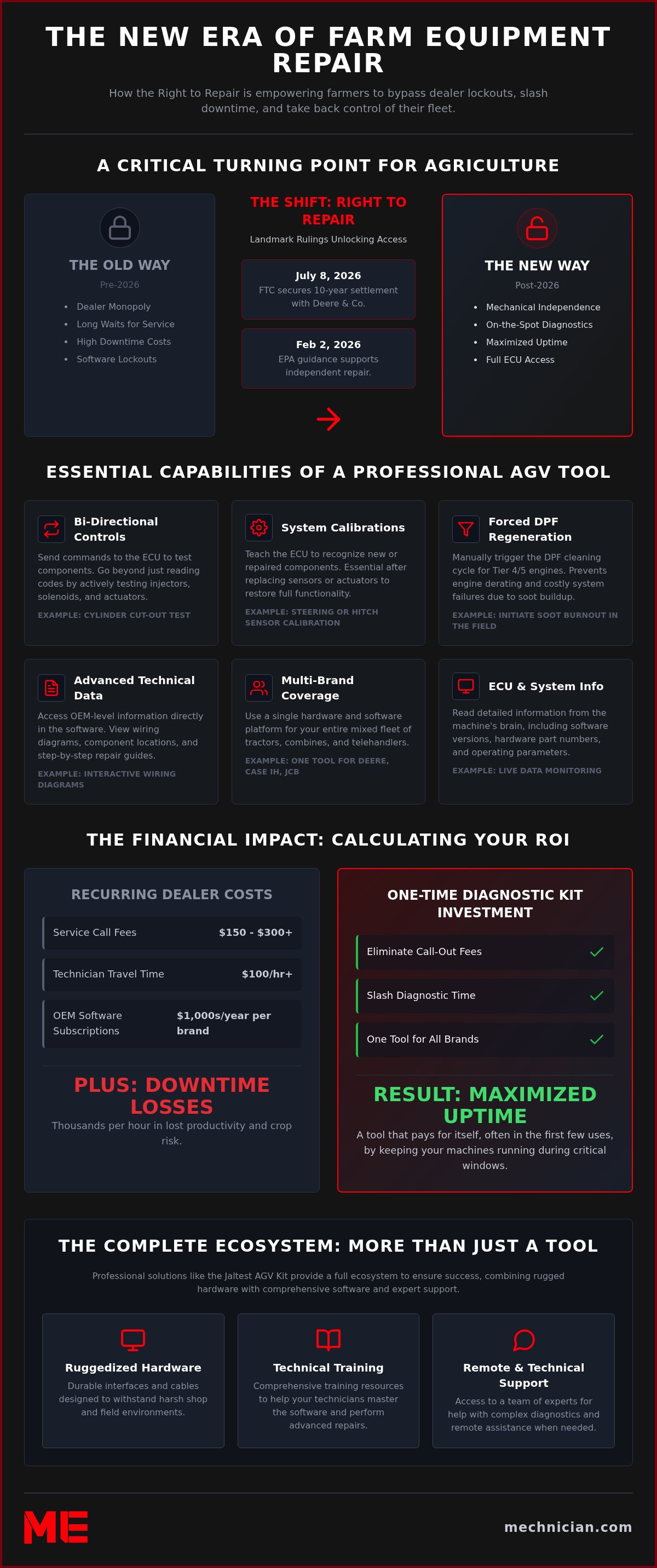
Modern agriculture relies on the Electronic Control Unit (ECU). A professional farm equipment diagnostic tool serves as the essential gateway to this digital brain. Without it, you are physically holding the steering wheel but have no control over the software governing the engine, transmission, or emissions systems. By July 2026, the industry reached a critical turning point. The Federal Trade Commission (FTC) secured a 10-year settlement with Deere & Company on July 8, 2026, mandating that farmers and independent shops receive the same repair resources as authorized dealers. This shift, combined with EPA guidance from February 2, 2026, means the legal barriers to self-repair are finally falling. However, the technical barrier remains unless you have the right hardware in your shop.
Diagnostic autonomy is no longer just a buzzword; it's a competitive advantage. In an era where machines are as much computers as they are mechanical iron, the ability to read and interpret data directly determines your operational speed. Relying solely on dealer technicians creates a bottleneck that high-output farms can't afford. True autonomy means having the same visibility into fault codes, wiring diagrams, and system calibrations as the manufacturer's own service department.
The Real Cost of Equipment Downtime
When a combine harvester sits idle during a peak harvest window, the losses aren't measured in hundreds, but thousands of dollars per hour. It isn't just the fuel or the labor; it's the risk of a weather event ruining a crop that's ready for pickup. Waiting 48 hours for a dealer technician to drive out, plug in a laptop, and click a single "reset" button for a DEF sensor is no longer a viable business model. Diagnostic autonomy is the ability to troubleshoot and repair equipment without external manufacturer permission. This independence ensures that your machines move when the sun is out, not when the dealer's schedule allows.
Breaking the Manufacturer Monopoly
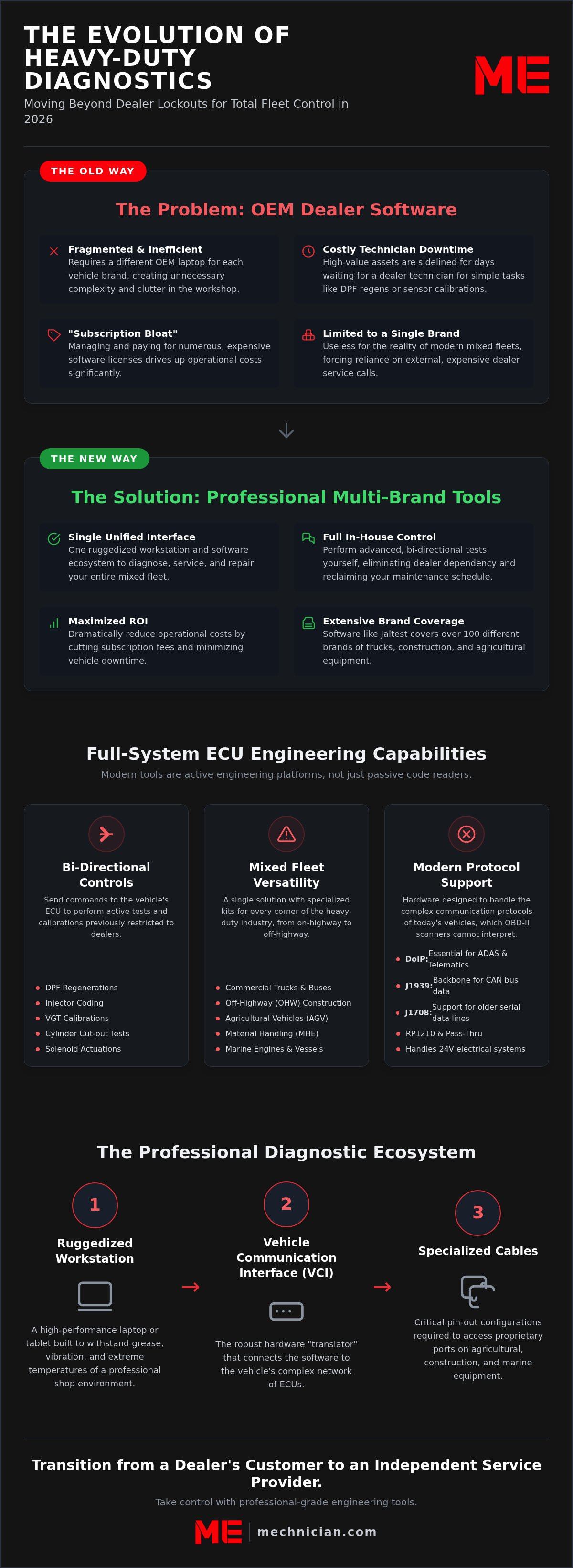
Most modern operations don't run a single brand. You might have a John Deere tractor, a Case IH combine, and a JCB telehandler. Historically, this required three different proprietary OEM tools, each with its own expensive subscription. Professional-grade multi-brand scanners have changed this dynamic. They provide a single interface for a mixed fleet, allowing your lead technician to master one software environment rather than three. By shifting away from proprietary OEM tools, you reduce the reliance on expensive service calls for minor software resets or forced regenerations. This isn't about replacing the dealer for major engine overhauls; it's about handling the 80% of electronic issues that cause 100% of the frustration on a daily basis.
Essential Capabilities of a Professional AGV Diagnostic Tool
Distinguishing between a generic OBDII scanner and a specialized agricultural kit is a matter of operational survival. While a basic reader might display a generic fault code, it lacks the depth to access sub-systems like the hydraulic controller or the transmission ECU. A professional farm equipment diagnostic tool provides a two-way communication channel. This allows you to perform bi-directional tests, such as a cylinder cut-out test, to isolate a failing injector without tearing down the engine. These tools are designed to handle the complexity of modern machinery, providing the technical depth required for meaningful repairs.
Beyond identifying faults, professional kits enable critical system calibrations. When you replace a steering sensor or a hitch solenoid, the machine's computer must learn the new component's range of motion. Without the ability to perform these calibrations, the machine may remain in a degraded state even after the physical repair is complete. Similarly, maintenance resets for oil life and service intervals are standard features that keep your digital records accurate and prevent dashboard warnings from distracting your operators during long shifts.
Advanced Troubleshooting and Forced Regenerations
One of the most vital functions for modern Tier 4 and Tier 5 engines is the ability to trigger a forced DPF (Diesel Particulate Filter) regeneration. If a tractor's duty cycle doesn't allow for natural soot burnout, the system will eventually derate the engine and stop work entirely. Having the power to initiate this process in the field prevents a costly tow to the dealership. High-end tools also offer live data monitoring, allowing you to graph sensor outputs in real-time to catch intermittent electrical "ghosts" that don't always trigger a permanent code. Interactive wiring diagrams further simplify the process by showing exactly where a wire leads within the harness.
Parameter Settings and ECU Coding
Modern diagnostics also involve modifying how a machine behaves. You might need to adjust vehicle speed limits for safety or reconfigure PTO settings for specific implements. When installing new hardware, such as injectors or an SCR module, you must code these components to the ECU so the system recognizes them. It's essential that your tool follows the Professional Vehicle Diagnostic Tool Guide: 2026 Industry Standards to ensure compatibility and safety. If you're looking to upgrade your shop's capabilities, exploring the Jaltest AGV solutions at Mechnician is a logical next step for achieving total fleet control.
Coverage and Compatibility: One Tool for the Whole Fleet
Mixed-fleet operations face a unique set of technical challenges. When your yard contains a John Deere tractor, a Case IH combine, and a Fendt telehandler, you're effectively managing three different proprietary diagnostic ecosystems. Maintaining multiple OEM subscriptions isn't just expensive; it's inefficient for a working shop. A single, high-performance farm equipment diagnostic tool eliminates this fragmentation by providing one hardware interface for your entire inventory. This unified approach allows your technicians to master a single software environment, which speeds up the repair process and ensures consistency across different machine types.
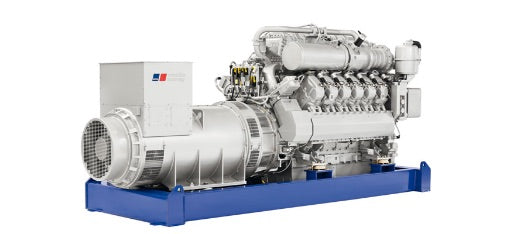
Beyond the primary brands like New Holland and Claas, modern diagnostic solutions must also account for specialized equipment. This includes stationary engines used in irrigation systems and complex implements that communicate with the tractor's ECU. Whether you're diagnosing a hydraulic issue on a sprayer or a sensor failure on a water pump, having a tool that speaks every digital language on the farm is essential for maintaining continuous operation. Consistency in your diagnostic data leads to more predictable maintenance schedules and fewer surprises during the busy season.
The Role of J1939 and Specialized Diagnostic Cables
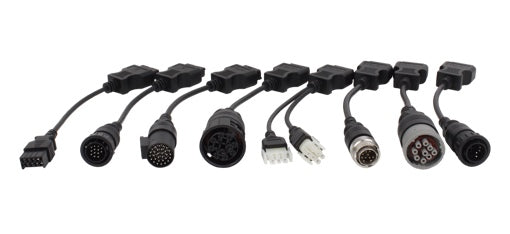
Most heavy machinery communicates using the SAE J1939 protocol. While the digital language is standardized, the physical connection points are not. Each manufacturer often uses a unique pin configuration or port location, which is why specialized diagnostic cables are a requirement for any professional shop. The Jaltest AGV Kit standardizes these connections by providing a comprehensive library of cables that plug into a single communication link. This setup prevents the confusion of hunting for the right adapter and ensures a stable, high-speed connection to the vehicle's bus system every time you plug in.
Support for Specialty and Tier 4/Tier 5 Engines
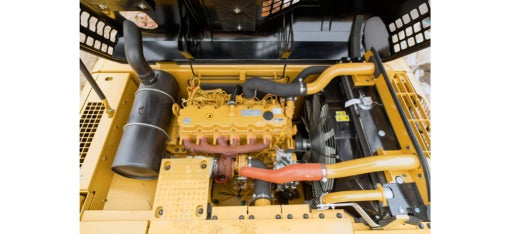
Modern emissions standards have made Tier 4 and Tier 5 engines incredibly complex. These systems require precise monitoring of SCR, DPF, and EGR components to avoid engine derates that can stall an entire harvest. As European and Asian agricultural brands become more common in the United States, your farm equipment diagnostic tool must keep pace with global engineering changes. Frequent software updates are the only way to ensure compatibility with the latest model releases and updated manufacturer fault code libraries. Relying on a system that receives regular updates ensures that your technicians aren't left guessing when a 2026 model enters the shop for service.
Calculating ROI: How Diagnostics Pay for Themselves
Evaluating the return on investment for a professional farm equipment diagnostic tool requires looking beyond the initial purchase price. For many operations, the payback period is completed after successfully avoiding just three to five dealer service calls. When you calculate the true cost of a dealership visit, you must include the flat "plug-in" fee just to connect the OEM software, the mileage charges for the technician's travel, and the hourly labor rates that often start the moment their van leaves the shop. By performing these initial scans in-house, you eliminate these recurring overhead costs and keep your capital within the farm's budget.
The "First Time Fix" rate is another critical metric for profitability. Without accurate data, mechanics often rely on a "parts cannon" approach, replacing expensive sensors or valves in hopes of solving a problem. Having access to live data and bi-directional tests ensures that you only order the components you actually need. Over time, these savings on unnecessary parts and expedited shipping fees significantly contribute to the tool's ROI. If you're ready to take control of your maintenance budget, you can explore professional diagnostic kits at Mechnician to start reducing your dependency on external service providers.
The financial benefits extend to the long-term value of your fleet. In 2026, buyers on the secondary market prioritize machines with verifiable health data. Using your diagnostic system to generate and save digital maintenance logs provides a transparent service history that can increase the resale value of a tractor or combine. It proves that the machine was operated within its parameters and that fault codes were addressed immediately rather than being ignored.
Reducing Labor Costs and Technician Efficiency
Modern diagnostic software includes guided troubleshooting trees that help junior mechanics perform at an expert level. By following a logical, step-by-step process provided by the software, your team spends less time guessing and more time turning wrenches. Access to remote technical support from Mechnician further enhances this efficiency, allowing your staff to solve complex electronic issues without needing a third-party specialist on-site. This turns your shop into a high-efficiency hub, reducing the total labor hours required for every repair.
Minimizing Seasonal Opportunity Costs
During the planting or harvest windows, a farm equipment diagnostic tool acts as a form of "harvest insurance." The cost of a machine sitting idle for two days while waiting for a dealer technician far exceeds the price of any diagnostic kit. Preventive maintenance plays a key role here; by catching minor sensor drifts or emissions system soot buildup before they trigger a full engine derate, you prevent catastrophic failures during peak hours. A Jaltest Software Annual License ensures the tool never goes obsolete, providing the latest model coverage and technical updates to keep your operation moving forward year after year.
The Jaltest AGV Ecosystem: Support, Software, and Training
The Jaltest AGV Kit has established itself as the industry standard for independent agricultural repair. It isn't just a software package; it's a comprehensive ecosystem designed to handle the physical and technical demands of modern farming. While the software provides the data, the success of a repair often depends on the technician's ability to interpret that information correctly. This is where Mechnician serves as the critical bridge, providing the hardware, the initial setup, and the ongoing technical guidance required to turn a fault code into a finished job.
Access to Jaltest University training is a cornerstone of this ecosystem. A professional farm equipment diagnostic tool is only as effective as the person operating it. Through specialized agricultural technical training, your team can learn to navigate complex systems like ISOBUS configurations and advanced hydraulic circuits. This educational support ensures that your investment continues to provide value as machinery becomes increasingly reliant on software-driven controls. Investing in knowledge is just as important as investing in the tool itself.
Rugged Hardware for Field Conditions
A standard consumer laptop is fundamentally unsuitable for the reality of farm life. Dust, extreme temperature fluctuations, and high-vibration environments will cause internal components of a standard PC to fail, often at the exact moment you need it most. The Jaltest CV Kit: The Ultimate Guide explains how all-makes diagnostics require hardware that can withstand these conditions. Mechnician provides ruggedized diagnostic laptops and tablets that feature reinforced chassis, sunlight-readable screens, and sealed ports. These devices are built to live in a service truck or a dusty shop, ensuring your diagnostic capabilities remain online regardless of the environment.
Expert Support When You Need It Most
Even with the best tools, you'll occasionally encounter a complex electrical issue or a software conflict that requires a second pair of eyes. Mechnician's remote technical support allows an expert to log into your diagnostic session and help identify the root cause of the problem. This isn't just about reading codes; it's about providing a professional second opinion on complex repairs. Additionally, the GRP (Garage Resource Planning) module integrated into the software helps you manage farm repairs, track machine history, and organize tasks across your fleet. If you're ready to modernize your maintenance workflow, consulting with Mechnician for a customized farm equipment diagnostic tool solution is the most effective way to ensure long-term operational stability.
Securing Your Operational Independence in 2026
The landscape of agricultural maintenance has fundamentally changed. With the 2026 Right to Repair rulings now in full effect, the technical barriers that once forced you to wait for dealer assistance have largely vanished. Success today depends on your ability to integrate a professional farm equipment diagnostic tool into your daily workflow. By moving beyond simple fault code reading and embracing bi-directional controls and system calibrations, you ensure your fleet remains operational during the most critical windows of the season.
Owning your diagnostics is a strategic investment in long-term stability. As an authorized Jaltest dealer, Mechnician provides the complete ecosystem you need to succeed, including expert technical support and Jaltest University training. We also offer financing for all diagnostic kits to help you manage the initial transition. You can browse the Jaltest AGV (Agricultural Equipment) Kit at Mechnician to find the right solution for your specific fleet requirements. Taking control of your machinery's software is the most effective way to protect your harvest and your bottom line. We look forward to helping you achieve total technical autonomy on your farm.
Frequently Asked Questions
Can I use a standard OBD-II scanner on my tractor?
No, standard OBD-II scanners designed for passenger vehicles don't have the necessary protocols or physical pinouts to communicate with agricultural machinery. Most tractors and combines utilize the SAE J1939 communication protocol, which requires a specialized farm equipment diagnostic tool. Using an incompatible scanner could lead to incorrect data or even electrical damage to the vehicle's bus system.
Does using an independent diagnostic tool void my manufacturer warranty?
No, using an independent tool won't void your manufacturer warranty. The Magnuson-Moss Warranty Act prevents manufacturers from conditioning warranties on the use of their own parts or services. Additionally, the July 2026 FTC settlement with Deere & Company reinforces your right to use third-party diagnostic resources without fear of losing warranty coverage on your equipment.
What is the difference between Jaltest AGV and Jaltest OHW?
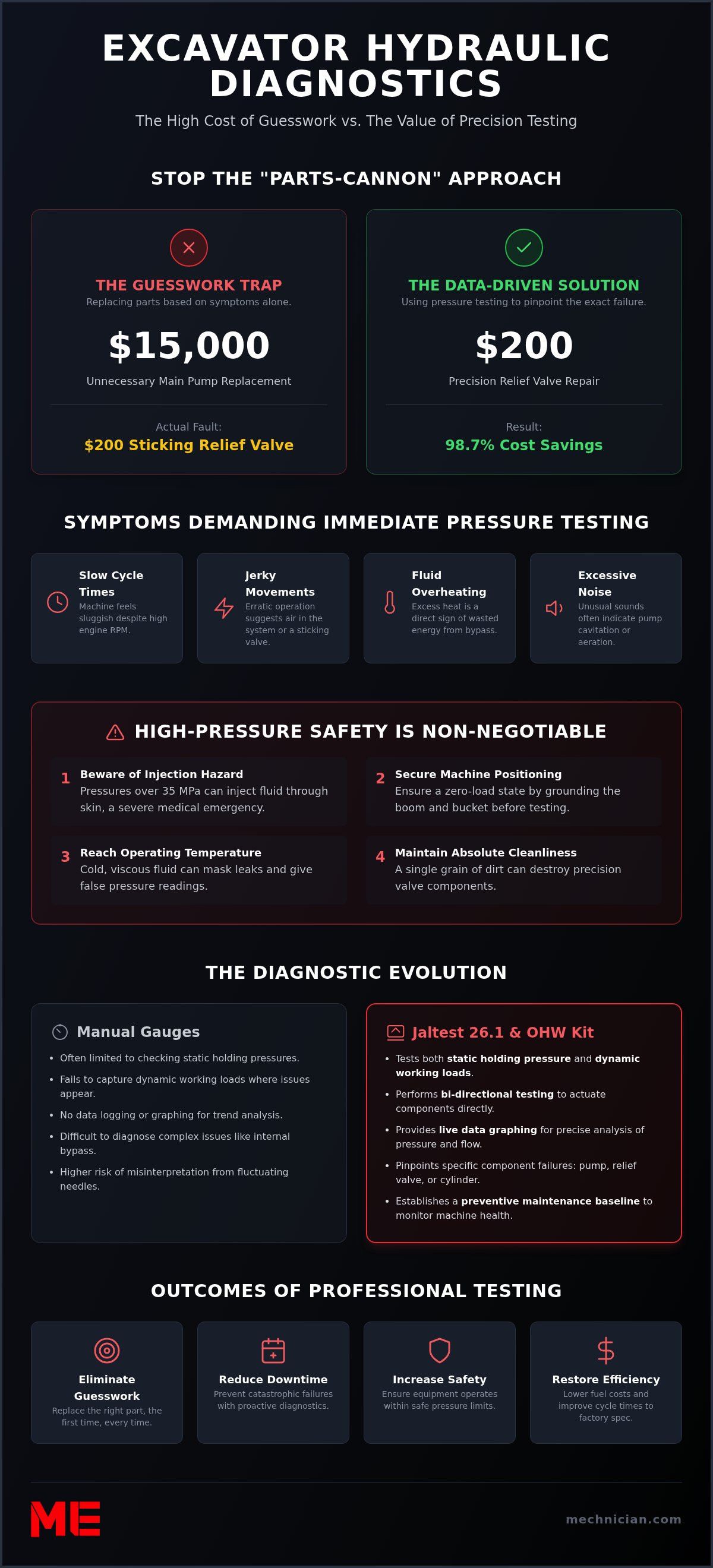
The Jaltest AGV Kit focuses specifically on agricultural equipment like tractors, harvesters, and sprayers. In contrast, the Jaltest OHW Kit is engineered for off-highway construction machinery, including excavators, loaders, and cranes. While they share the same software interface, the coverage libraries and specialized cable sets are tailored to their respective industries.
How often does the diagnostic software need to be updated?
Software updates typically arrive three times per year. These updates are essential for maintaining compatibility with the latest model releases and updated manufacturer fault code definitions. Staying current with your software annual license ensures you don't lose access to new bi-directional tests and wiring diagrams as they become available for the newest machines in your fleet.
Do I need an internet connection to use the diagnostic tool in the field?
Most core diagnostic functions work without an active internet connection. You can read fault codes, view live data, and perform many bi-directional tests in remote field locations. However, you'll need a connection for specific tasks like downloading software updates, accessing certain cloud-based technical documents, or utilizing remote technical support from Mechnician.
Can these tools perform DPF regenerations on Tier 4 engines?
Yes, professional-grade tools are fully capable of initiating forced DPF regenerations on Tier 4 and Tier 5 engines. This function is a standard feature in the Jaltest AGV software. It's a critical capability for preventing engine derates when a machine's duty cycle hasn't allowed for natural soot burnout during normal operation.
Is training required to operate a professional diagnostic scanner?
While the software is designed with intuitive troubleshooting trees, professional training significantly increases your repair efficiency. Programs like Jaltest University help technicians master complex tasks like parameter coding and advanced hydraulic calibrations. Mechnician provides access to this training to ensure you get the maximum return on investment from your farm equipment diagnostic tool.
Will one diagnostic kit work for both my John Deere tractor and my Case combine?
Yes, a multi-brand diagnostic kit like the Jaltest AGV is designed to work across a mixed fleet. It includes the software and cables necessary to communicate with major brands including John Deere, Case IH, New Holland, and Fendt. This eliminates the need for multiple proprietary OEM tools and allows your shop to standardize its maintenance process.

Leave a comment