













Mon - Sat, 7:30am - 7:30pm

Sales & Support- service@mechnician.com

Excavator Hydraulic Pressure Testing: The Professional Diagnostic Guide (2026)

Excavator Hydraulic Pressure Testing: The Professional Diagnostic Guide (2026)

Replacing a $15,000 main pump when the actual culprit is a sticking $200 relief valve isn't just a mistake. It's a failure of diagnostic discipline that your operation cannot afford, especially with hydraulic fluid prices seeing sharp increases in 2026. Professional excavator hydraulic pressure testing is the only reliable way to move past guesswork and stop the costly "parts-cannon" approach to repairs.

You've likely felt the frustration of unplanned downtime while a machine's breakout force slowly fades, leaving you to wonder if the issue lies in the pump, the cylinder, or a control valve. This guide will help you master the technical process of diagnosing these systems using both manual gauges and the latest digital methods found in the Jaltest 26.1 software. We'll explore how to pinpoint failing components with precision, establish a preventive maintenance baseline, and utilize the Jaltest OHW Kit to restore your equipment to its peak operational safety and efficiency.

Key Takeaways

  • Learn the critical safety protocols and machine positioning required to meet 2026 international standards for high-pressure system diagnostics.
  • Master a systematic approach to excavator hydraulic pressure testing that distinguishes between static holding pressure and dynamic working loads.
  • Identify exactly which component is failing, whether it's the main pump, a relief valve, or an internal cylinder bypass, to eliminate unnecessary parts replacement.
  • Discover how to use the Jaltest OHW Kit to perform bi-directional testing and live data graphing for a more accurate diagnosis than manual gauges can provide.
  • Establish a preventive maintenance baseline to monitor machine health and significantly reduce unplanned downtime throughout the equipment's lifecycle.

Understanding Excavator Hydraulic Systems & Why Pressure Testing Matters

The hydraulic system of a modern excavator is a complex network where precision is as important as power. At the center of this system sits the main hydraulic pump. Its primary role is to convert the mechanical energy of the engine into fluid power. This power eventually becomes the breakout force required to move tons of earth. When this conversion is inefficient, the entire machine suffers. Performing regular excavator hydraulic pressure testing is not merely a repair task; it's a strategic maintenance decision that protects your most valuable assets.

Many operators confuse static pressure with dynamic pressure. Static pressure refers to the system's ability to hold a load or reach a relief setting while the actuators are at rest. Dynamic pressure, however, involves the system's behavior while fluid is flowing and work is being performed. A machine might show perfect static pressure at a test port, yet fail to provide the necessary speed or force during a dig cycle. This discrepancy often points to internal wear that a simple visual inspection will never reveal.

Visual checks are limited to identifying external leaks or frayed hoses. They cannot detect internal valve leakage, spool wear, or pump cavitation. Cavitation occurs when air bubbles form and collapse within the fluid, physically eroding metal components from the inside out. By the time you see external symptoms, the internal damage is often irreversible. With fuel costs representing 30% to 40% of an excavator's operating expenses in 2026, even a 10% drop in hydraulic efficiency leads to significant financial loss through wasted energy and increased cycle times.

Primary Hydraulic Components Under Test

  • Main Pump: We evaluate volumetric efficiency to ensure the pump delivers the correct flow at the required pressure. A pump can often maintain pressure while losing the flow rate necessary for speed.
  • Main Relief Valve: This component acts as the gatekeeper. If it opens too early or fails to reseal, the system cannot reach the pressures needed for heavy lifting.
  • Control Valves: We monitor these for internal bypass. Worn spools allow oil to leak back to the tank, causing "drift" in the boom or bucket.

Symptoms That Demand Immediate Pressure Testing

You shouldn't wait for a total system failure to begin diagnostics. Slow cycle times are the first warning sign. If the machine feels sluggish despite high engine RPM, the hydraulic system is likely struggling to maintain flow under load. Jerky or erratic movements often indicate air in the system or a sticking valve spool. Finally, pay attention to excessive noise or fluid overheating. Heat is the byproduct of wasted energy; when oil bypasses a seal or valve, it generates friction that can quickly degrade your expensive hydraulic fluid.

Preparation and Safety Protocols for High-Pressure Testing

Safety is the non-negotiable foundation of any diagnostic procedure. When you perform excavator hydraulic pressure testing, you're working with pressures that often exceed 35 MPa. At these levels, a pinhole leak acts like a surgical needle. It can inject hydraulic fluid directly through skin and into the bloodstream. This is a medical emergency that requires immediate specialized treatment. Standard leather or nitrile gloves provide zero protection against fluid injection. Modern safety standards, such as IEC 63458-3:2026, emphasize the need for comprehensive safety requirements when operating high-pressure machinery. You need specialized gear and a mindset focused on risk mitigation.

Proper machine positioning is equally critical during excavator hydraulic pressure testing. Secure the boom and bucket on the ground or in a dedicated service rack to ensure a zero-load state. Testing a system under tension is dangerous. It also produces skewed results. You must also reach the correct operating temperature. Testing cold hydraulic oil is a common mistake. Cold fluid has higher viscosity. This masks internal leaks or shows artificially high pressure readings. Always cycle the machine until the fluid reaches its standard operating temperature. This ensures the data reflects real-world working conditions.

Cleanliness is paramount in hydraulic maintenance. A single grain of sand introduced through a test port can destroy a precision-machined valve spool. Use lint-free towels. Clean every fitting thoroughly before removing a cap. Once the test is complete, replace the dust caps immediately to prevent long-term contamination.

The 'Zero Pressure' Verification

Before opening any hydraulic line, you must verify that the system is truly depressurized. This involves more than just turning off the engine. Many modern excavators use accumulators that store energy for emergency pilot control. Cycle the joysticks in all directions with the engine off to bleed this stored pressure. It's also vital to check the hydraulic lockout lever. You can use a professional vehicle diagnostic tool to monitor the live system pressure. This confirms the discharge is complete before you physically break a seal.

Essential Testing Equipment Checklist

Precision requires the right tools. Manual gauges are reliable for basic checks. However, they often lack the resolution needed for complex faults. A professional setup should include:

  • Manual Gauge Kit: Use calibrated gauges with a 0-10,000 PSI range.
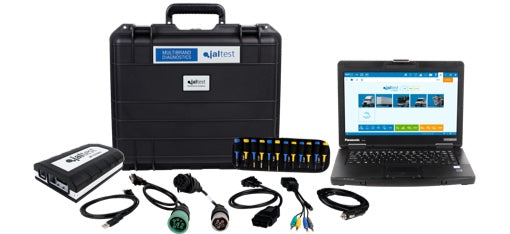
  • Jaltest OHW Kit: This allows for electronic sensor monitoring. You can compare physical pressure with ECU-reported data.
  • Port Plugs and Towels: These maintain system integrity during the procedure.

For those managing a fleet, investing in a Jaltest OHW Kit ensures your technicians have the digital precision required to match physical measurements with internal software logic.

Step-by-Step Excavator Hydraulic Pressure Testing Procedure

Executing a systematic excavator hydraulic pressure testing procedure requires a blend of traditional mechanical skills and modern digital diagnostics. You should begin by locating the primary test ports. These are typically situated at the main pump discharge or the main control valve bank. Every manufacturer provides specific port locations in their service manual. Identifying these correctly prevents the common error of testing the wrong circuit. Once the ports are identified and cleaned, you can install your manual gauges. At the same time, connect the Jaltest OHW interface to the machine's diagnostic port to begin the digital data stream.

Modern equipment requires the machine to be in a specific "Test Mode" or held at a steady high idle to ensure consistent flow. You should first record baseline pressures at neutral. This confirms the system is unloading correctly. Next, move to full stall readings by bottoming out a function until it hits the relief setting. The professional advantage comes from comparing your manual gauge readings against the digital sensor data displayed in the Jaltest software. If the manual gauge shows 30 MPa but the ECU reports 25 MPa, you've identified a faulty pressure sensor rather than a mechanical pump failure. This cross-referencing eliminates the "parts-cannon" approach to repairs.

Testing the Main Relief Valve (MRV)

To test the MRV, you must stall a high-pressure function, such as curling the bucket completely. This forces the fluid through the relief valve. If the pressure reading is below the OEM specification, the valve may require adjustment or replacement. Adjusting the MRV requires extreme precision; even a quarter-turn can lead to catastrophic over-pressurization and component failure. Always verify the new setting with multiple stall tests to ensure the valve reseats properly every time.

Pilot Pressure Testing

Low pilot pressure is the most frequent cause of stiff or unresponsive controls. The pilot pump often operates on a separate, lower-pressure circuit. You should test this circuit independently of the main hydraulic system. While manual gauges show the pressure, the Jaltest OHW Kit allows you to monitor the solenoid activation signals for the pilot valves. This helps you determine if a lack of response is due to a mechanical pressure drop or an electronic signal failure from the operator's joystick. This dual-layered approach ensures no fault remains hidden within the machine's complex logic.
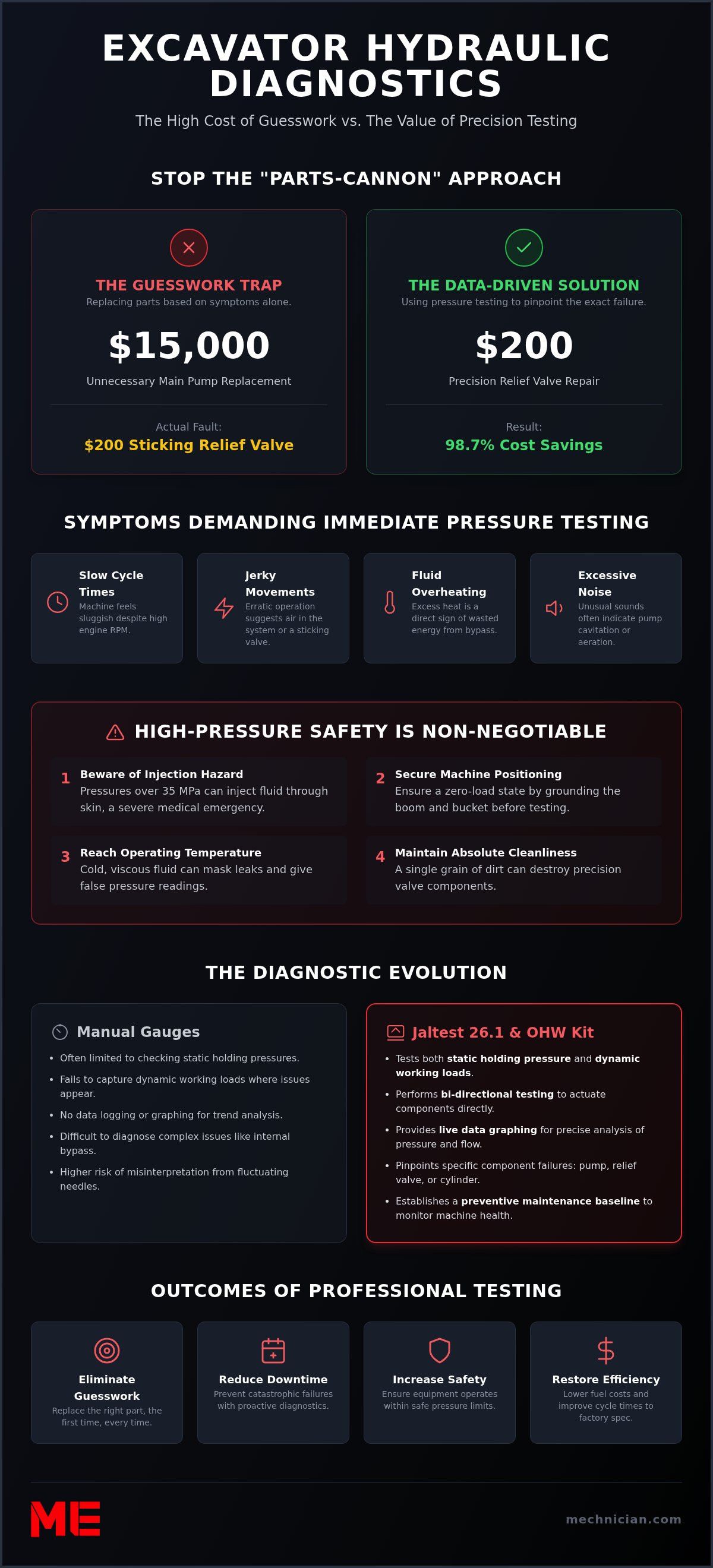
Excavator hydraulic pressure testing

Interpreting Results: Common Faults and Data Analysis

Data without interpretation is just noise. Once you've completed the physical steps of excavator hydraulic pressure testing, you must analyze how those numbers correlate with the machine's actual performance. A common finding is low pressure at stall. This usually indicates a main relief valve that's failing to hold or a pump that's internally worn. If the pressure doesn't rise after a minor adjustment, the pump's volumetric efficiency has likely degraded beyond acceptable limits. The pump can no longer maintain the seal required to build high pressure against a heavy load.

Good pressure readings don't always mean a healthy system. If a machine reaches its relief setting but moves slowly, you're looking at a flow issue. Pressure is the resistance to flow; it represents the machine's strength. Flow represents its speed. When a pump is worn, it might still reach 35 MPa against a dead head, but it can't deliver the gallons per minute required for fast cycle times. Pressure fluctuations or "chatter" on a manual gauge often signal air ingestion or failing pump pistons that are struggling to maintain a constant output. Digital diagnostics through Jaltest can further identify if these issues are tied to specific solenoid or sensor-side failures, providing a clear path to the correct repair.

The Difference Between Pressure and Flow

Understanding the distinction between these two variables is vital for accurate diagnostics. A machine can have the strength to lift a full bucket but take twice as long as it should. This indicates that while the relief valves are doing their job, the pump or the flow control solenoids are not. The Jaltest OHW Kit helps visualize this by showing the ECU's expected flow versus the actual sensor feedback. This digital oversight prevents you from replacing a perfectly good pump when the issue is actually an electronic current problem at the pump regulator.

Cylinder Bypass Testing

Internal leakage within a cylinder is a silent thief of machine power. You can detect this without disassembly by using the "heat gun" method. Stall the function for thirty seconds and monitor the temperature of the cylinder barrel. If the temperature spikes near the piston head, oil is bypassing the seals and generating friction heat. This isolation testing confirms which specific circuit is losing energy and provides the data you need for a professional service report. To upgrade your diagnostic capabilities and eliminate the uncertainty of manual testing, explore our Jaltest OHW diagnostic kits today.

The Jaltest Advantage: Modernizing Hydraulic Troubleshooting

The transition from manual gauges to digital diagnostics represents a fundamental shift from guessing to knowing. While manual excavator hydraulic pressure testing remains a core skill for any technician, it has physical limitations. A traditional needle gauge cannot capture high-frequency pressure spikes that occur in milliseconds. The Jaltest 26.1 software, released in March 2026, solves this through high-resolution live data graphing. It allows you to visualize the heartbeat of the hydraulic system in real time, identifying transient faults that would otherwise remain invisible to the naked eye.

Bi-directional testing is another critical feature that sets modern diagnostics apart. It enables you to force solenoids and valves to open or close directly from your ruggedized diagnostic laptop. This is the fastest way to isolate whether a failure is mechanical or electronic. If a valve fails to respond to a software command, you can immediately check the integrated wiring diagrams within the interface to trace the fault. This level of technical data integration means you don't have to hunt for OEM pressure specifications; they're already embedded within the Jaltest environment for thousands of models.

Professional reporting completes the diagnostic cycle. You can generate a comprehensive PDF report that documents the machine's state before and after the repair. This provides tangible proof of success for fleet managers or customers, building trust through transparency and engineering precision. It transforms a simple repair into a documented service history that adds value to the machine's lifecycle.

Reducing 'Dealer Dependency'

Independent shops often face barriers when it comes to hydraulic calibrations. Jaltest OHW Kits remove these hurdles by providing the same calibration capabilities as dealer-only software. Whether you're adjusting a pump regulator or recalibrating a new control valve, the software guides you through the process with step-by-step logic. For complex multi-pump systems, Mechnician's technical support offers a secondary layer of expertise. This partnership ensures your team can handle even the most challenging troubleshooting scenarios without sending the machine back to the dealer.

Financing Your Diagnostic Future

The return on investment for a Jaltest Kit is often realized within the first few major repairs. By eliminating "parts-guessing" errors, you save thousands in unnecessary component costs and prevent the waste of expensive hydraulic fluid. Mechnician offers flexible financing options to help fleet maintenance teams integrate these tools without a massive upfront capital outlay. It's a strategic decision that turns technical supervision into a long-term stability asset for your organization. Explore Jaltest OHW Kits for your excavator fleet and take full control of your diagnostic future.

Securing Long-Term Operational Stability

Mastering excavator hydraulic pressure testing is more than a technical skill; it's a commitment to operational stability. By moving away from the "parts-cannon" approach and adopting a hybrid diagnostic method, you ensure every repair is backed by objective data. You've seen how digital graphing and bi-directional tests identify faults that manual gauges miss. This precision reduces unplanned downtime and maximizes the lifespan of your expensive hydraulic components.

As an authorized dealer for Cojali Jaltest, Mechnician provides the tools and expertise needed to bring your diagnostics into the modern age. Our kits include ruggedized laptops built for the toughest jobsites and expert remote technical support to help you through complex multi-pump calibrations. Stop guessing and start diagnosing with the Jaltest OHW Kit. Take control of your fleet's maintenance today and build a foundation for long-term machine health.

Frequently Asked Questions

What is the standard hydraulic pressure for a large excavator?

Standard working pressures for large excavators typically range between 30 MPa and 35 MPa (4,350 to 5,000 PSI) for the main hydraulic circuits. The pilot pressure, which controls the valve spools, is significantly lower and usually stays between 3.5 and 5 MPa. You should always consult the specific machine's service manual, as these values vary based on the manufacturer and the weight class of the equipment.

Can I perform a hydraulic pressure test while the oil is cold?

You shouldn't perform excavator hydraulic pressure testing with cold oil. Cold fluid has a higher viscosity that can mask internal leaks or create artificially high pressure readings that don't reflect the machine's actual performance. It's best to cycle the machine until the fluid reaches its standard operating temperature, typically between 50°C and 80°C, before recording any data.

How do I know if my hydraulic pump is failing or if it's just a relief valve?

A stall test combined with a relief valve adjustment is the most effective way to differentiate these faults. If you attempt to adjust the relief valve and the pressure remains unchanged or fails to reach the specification, the pump is likely too worn to produce the required flow. If the pressure rises with the adjustment but fails to hold steady, the relief valve itself is the probable culprit.

Do I need a different diagnostic kit for Cat, Komatsu, and John Deere excavators?

You don't need separate kits for different brands. The Jaltest OHW Kit is a multi-brand solution that covers all major heavy equipment manufacturers within a single interface. This allows independent shops to maintain a diverse fleet of Cat, Komatsu, and John Deere machines using one diagnostic platform, eliminating the need for multiple expensive dealer tools.

What happens if the hydraulic relief pressure is set too high?

Setting the relief pressure above the manufacturer's specification can lead to catastrophic component failure and dangerous high-pressure bursts. It places excessive stress on hoses, seals, and pumps, which significantly shortens their service life. Over-pressurization also generates extreme heat, causing the hydraulic fluid to degrade rapidly and reducing the machine's overall efficiency.

Is it possible to test hydraulic pressure without a manual gauge?

It's possible to monitor pressure through the machine's electronic control unit using the Jaltest software. This provides a fast way to see what the machine's internal sensors are reporting. However, a hybrid approach is always recommended; comparing digital data against a manual gauge helps you identify if a sensor itself has failed, ensuring the most accurate diagnosis possible.

How often should I perform a 'baseline' hydraulic pressure test on my machines?

You should establish a baseline for excavator hydraulic pressure testing every 1,000 to 2,000 operating hours or at least once a year. Regular testing allows you to track the gradual decline in pump efficiency and identify wear before it leads to unplanned downtime. This data serves as a critical reference point for troubleshooting when performance issues eventually arise.

Can Jaltest software help with hydraulic calibrations after a pump replacement?

Jaltest software is essential for performing hydraulic calibrations after a pump or valve replacement. Most modern excavators require the ECU to be updated with the new component's specific performance characteristics to ensure smooth and synchronized operation. The Jaltest OHW Kit provides the bi-directional commands necessary to complete these calibrations without the need for a dealer technician.

Leave a comment

Please note, comments must be approved before they are published

This site is protected by hCaptcha and the hCaptcha Privacy Policy and Terms of Service apply.


Excavator Hydraulic Pressure Testing: The Professional Diagnostic Guide (2026)

Excavator Hydraulic Pressure Testing: The Professional Diagnostic Guide (2026)

Replacing a $15,000 main pump when the actual culprit is a sticking $200 relief valve isn't just a mistake. It's a failure of diagnostic discipline that your operation cannot afford, especially with hydraulic fluid prices seeing sharp increases in 2026. Professional excavator hydraulic pressure testing is the only reliable way to move past guesswork and stop the costly "parts-cannon" approach to repairs.

You've likely felt the frustration of unplanned downtime while a machine's breakout force slowly fades, leaving you to wonder if the issue lies in the pump, the cylinder, or a control valve. This guide will help you master the technical process of diagnosing these systems using both manual gauges and the latest digital methods found in the Jaltest 26.1 software. We'll explore how to pinpoint failing components with precision, establish a preventive maintenance baseline, and utilize the Jaltest OHW Kit to restore your equipment to its peak operational safety and efficiency.

Key Takeaways

  • Learn the critical safety protocols and machine positioning required to meet 2026 international standards for high-pressure system diagnostics.
  • Master a systematic approach to excavator hydraulic pressure testing that distinguishes between static holding pressure and dynamic working loads.
  • Identify exactly which component is failing, whether it's the main pump, a relief valve, or an internal cylinder bypass, to eliminate unnecessary parts replacement.
  • Discover how to use the Jaltest OHW Kit to perform bi-directional testing and live data graphing for a more accurate diagnosis than manual gauges can provide.
  • Establish a preventive maintenance baseline to monitor machine health and significantly reduce unplanned downtime throughout the equipment's lifecycle.

Understanding Excavator Hydraulic Systems & Why Pressure Testing Matters

The hydraulic system of a modern excavator is a complex network where precision is as important as power. At the center of this system sits the main hydraulic pump. Its primary role is to convert the mechanical energy of the engine into fluid power. This power eventually becomes the breakout force required to move tons of earth. When this conversion is inefficient, the entire machine suffers. Performing regular excavator hydraulic pressure testing is not merely a repair task; it's a strategic maintenance decision that protects your most valuable assets.

Many operators confuse static pressure with dynamic pressure. Static pressure refers to the system's ability to hold a load or reach a relief setting while the actuators are at rest. Dynamic pressure, however, involves the system's behavior while fluid is flowing and work is being performed. A machine might show perfect static pressure at a test port, yet fail to provide the necessary speed or force during a dig cycle. This discrepancy often points to internal wear that a simple visual inspection will never reveal.

Visual checks are limited to identifying external leaks or frayed hoses. They cannot detect internal valve leakage, spool wear, or pump cavitation. Cavitation occurs when air bubbles form and collapse within the fluid, physically eroding metal components from the inside out. By the time you see external symptoms, the internal damage is often irreversible. With fuel costs representing 30% to 40% of an excavator's operating expenses in 2026, even a 10% drop in hydraulic efficiency leads to significant financial loss through wasted energy and increased cycle times.

Primary Hydraulic Components Under Test

  • Main Pump: We evaluate volumetric efficiency to ensure the pump delivers the correct flow at the required pressure. A pump can often maintain pressure while losing the flow rate necessary for speed.
  • Main Relief Valve: This component acts as the gatekeeper. If it opens too early or fails to reseal, the system cannot reach the pressures needed for heavy lifting.
  • Control Valves: We monitor these for internal bypass. Worn spools allow oil to leak back to the tank, causing "drift" in the boom or bucket.

Symptoms That Demand Immediate Pressure Testing

You shouldn't wait for a total system failure to begin diagnostics. Slow cycle times are the first warning sign. If the machine feels sluggish despite high engine RPM, the hydraulic system is likely struggling to maintain flow under load. Jerky or erratic movements often indicate air in the system or a sticking valve spool. Finally, pay attention to excessive noise or fluid overheating. Heat is the byproduct of wasted energy; when oil bypasses a seal or valve, it generates friction that can quickly degrade your expensive hydraulic fluid.

Preparation and Safety Protocols for High-Pressure Testing

Safety is the non-negotiable foundation of any diagnostic procedure. When you perform excavator hydraulic pressure testing, you're working with pressures that often exceed 35 MPa. At these levels, a pinhole leak acts like a surgical needle. It can inject hydraulic fluid directly through skin and into the bloodstream. This is a medical emergency that requires immediate specialized treatment. Standard leather or nitrile gloves provide zero protection against fluid injection. Modern safety standards, such as IEC 63458-3:2026, emphasize the need for comprehensive safety requirements when operating high-pressure machinery. You need specialized gear and a mindset focused on risk mitigation.

Proper machine positioning is equally critical during excavator hydraulic pressure testing. Secure the boom and bucket on the ground or in a dedicated service rack to ensure a zero-load state. Testing a system under tension is dangerous. It also produces skewed results. You must also reach the correct operating temperature. Testing cold hydraulic oil is a common mistake. Cold fluid has higher viscosity. This masks internal leaks or shows artificially high pressure readings. Always cycle the machine until the fluid reaches its standard operating temperature. This ensures the data reflects real-world working conditions.

Cleanliness is paramount in hydraulic maintenance. A single grain of sand introduced through a test port can destroy a precision-machined valve spool. Use lint-free towels. Clean every fitting thoroughly before removing a cap. Once the test is complete, replace the dust caps immediately to prevent long-term contamination.

The 'Zero Pressure' Verification

Before opening any hydraulic line, you must verify that the system is truly depressurized. This involves more than just turning off the engine. Many modern excavators use accumulators that store energy for emergency pilot control. Cycle the joysticks in all directions with the engine off to bleed this stored pressure. It's also vital to check the hydraulic lockout lever. You can use a professional vehicle diagnostic tool to monitor the live system pressure. This confirms the discharge is complete before you physically break a seal.

Essential Testing Equipment Checklist

Precision requires the right tools. Manual gauges are reliable for basic checks. However, they often lack the resolution needed for complex faults. A professional setup should include:

  • Manual Gauge Kit: Use calibrated gauges with a 0-10,000 PSI range.
  • Jaltest OHW Kit: This allows for electronic sensor monitoring. You can compare physical pressure with ECU-reported data.
  • Port Plugs and Towels: These maintain system integrity during the procedure.

For those managing a fleet, investing in a Jaltest OHW Kit ensures your technicians have the digital precision required to match physical measurements with internal software logic.

Step-by-Step Excavator Hydraulic Pressure Testing Procedure

Executing a systematic excavator hydraulic pressure testing procedure requires a blend of traditional mechanical skills and modern digital diagnostics. You should begin by locating the primary test ports. These are typically situated at the main pump discharge or the main control valve bank. Every manufacturer provides specific port locations in their service manual. Identifying these correctly prevents the common error of testing the wrong circuit. Once the ports are identified and cleaned, you can install your manual gauges. At the same time, connect the Jaltest OHW interface to the machine's diagnostic port to begin the digital data stream.

Modern equipment requires the machine to be in a specific "Test Mode" or held at a steady high idle to ensure consistent flow. You should first record baseline pressures at neutral. This confirms the system is unloading correctly. Next, move to full stall readings by bottoming out a function until it hits the relief setting. The professional advantage comes from comparing your manual gauge readings against the digital sensor data displayed in the Jaltest software. If the manual gauge shows 30 MPa but the ECU reports 25 MPa, you've identified a faulty pressure sensor rather than a mechanical pump failure. This cross-referencing eliminates the "parts-cannon" approach to repairs.

Testing the Main Relief Valve (MRV)

To test the MRV, you must stall a high-pressure function, such as curling the bucket completely. This forces the fluid through the relief valve. If the pressure reading is below the OEM specification, the valve may require adjustment or replacement. Adjusting the MRV requires extreme precision; even a quarter-turn can lead to catastrophic over-pressurization and component failure. Always verify the new setting with multiple stall tests to ensure the valve reseats properly every time.

Pilot Pressure Testing

Low pilot pressure is the most frequent cause of stiff or unresponsive controls. The pilot pump often operates on a separate, lower-pressure circuit. You should test this circuit independently of the main hydraulic system. While manual gauges show the pressure, the Jaltest OHW Kit allows you to monitor the solenoid activation signals for the pilot valves. This helps you determine if a lack of response is due to a mechanical pressure drop or an electronic signal failure from the operator's joystick. This dual-layered approach ensures no fault remains hidden within the machine's complex logic.

Excavator hydraulic pressure testing

Interpreting Results: Common Faults and Data Analysis

Data without interpretation is just noise. Once you've completed the physical steps of excavator hydraulic pressure testing, you must analyze how those numbers correlate with the machine's actual performance. A common finding is low pressure at stall. This usually indicates a main relief valve that's failing to hold or a pump that's internally worn. If the pressure doesn't rise after a minor adjustment, the pump's volumetric efficiency has likely degraded beyond acceptable limits. The pump can no longer maintain the seal required to build high pressure against a heavy load.

Good pressure readings don't always mean a healthy system. If a machine reaches its relief setting but moves slowly, you're looking at a flow issue. Pressure is the resistance to flow; it represents the machine's strength. Flow represents its speed. When a pump is worn, it might still reach 35 MPa against a dead head, but it can't deliver the gallons per minute required for fast cycle times. Pressure fluctuations or "chatter" on a manual gauge often signal air ingestion or failing pump pistons that are struggling to maintain a constant output. Digital diagnostics through Jaltest can further identify if these issues are tied to specific solenoid or sensor-side failures, providing a clear path to the correct repair.

The Difference Between Pressure and Flow

Understanding the distinction between these two variables is vital for accurate diagnostics. A machine can have the strength to lift a full bucket but take twice as long as it should. This indicates that while the relief valves are doing their job, the pump or the flow control solenoids are not. The Jaltest OHW Kit helps visualize this by showing the ECU's expected flow versus the actual sensor feedback. This digital oversight prevents you from replacing a perfectly good pump when the issue is actually an electronic current problem at the pump regulator.

Cylinder Bypass Testing

Internal leakage within a cylinder is a silent thief of machine power. You can detect this without disassembly by using the "heat gun" method. Stall the function for thirty seconds and monitor the temperature of the cylinder barrel. If the temperature spikes near the piston head, oil is bypassing the seals and generating friction heat. This isolation testing confirms which specific circuit is losing energy and provides the data you need for a professional service report. To upgrade your diagnostic capabilities and eliminate the uncertainty of manual testing, explore our Jaltest OHW diagnostic kits today.

The Jaltest Advantage: Modernizing Hydraulic Troubleshooting

The transition from manual gauges to digital diagnostics represents a fundamental shift from guessing to knowing. While manual excavator hydraulic pressure testing remains a core skill for any technician, it has physical limitations. A traditional needle gauge cannot capture high-frequency pressure spikes that occur in milliseconds. The Jaltest 26.1 software, released in March 2026, solves this through high-resolution live data graphing. It allows you to visualize the heartbeat of the hydraulic system in real time, identifying transient faults that would otherwise remain invisible to the naked eye.

Bi-directional testing is another critical feature that sets modern diagnostics apart. It enables you to force solenoids and valves to open or close directly from your ruggedized diagnostic laptop. This is the fastest way to isolate whether a failure is mechanical or electronic. If a valve fails to respond to a software command, you can immediately check the integrated wiring diagrams within the interface to trace the fault. This level of technical data integration means you don't have to hunt for OEM pressure specifications; they're already embedded within the Jaltest environment for thousands of models.

Professional reporting completes the diagnostic cycle. You can generate a comprehensive PDF report that documents the machine's state before and after the repair. This provides tangible proof of success for fleet managers or customers, building trust through transparency and engineering precision. It transforms a simple repair into a documented service history that adds value to the machine's lifecycle.

Reducing 'Dealer Dependency'

Independent shops often face barriers when it comes to hydraulic calibrations. Jaltest OHW Kits remove these hurdles by providing the same calibration capabilities as dealer-only software. Whether you're adjusting a pump regulator or recalibrating a new control valve, the software guides you through the process with step-by-step logic. For complex multi-pump systems, Mechnician's technical support offers a secondary layer of expertise. This partnership ensures your team can handle even the most challenging troubleshooting scenarios without sending the machine back to the dealer.

Financing Your Diagnostic Future

The return on investment for a Jaltest Kit is often realized within the first few major repairs. By eliminating "parts-guessing" errors, you save thousands in unnecessary component costs and prevent the waste of expensive hydraulic fluid. Mechnician offers flexible financing options to help fleet maintenance teams integrate these tools without a massive upfront capital outlay. It's a strategic decision that turns technical supervision into a long-term stability asset for your organization. Explore Jaltest OHW Kits for your excavator fleet and take full control of your diagnostic future.

Securing Long-Term Operational Stability

Mastering excavator hydraulic pressure testing is more than a technical skill; it's a commitment to operational stability. By moving away from the "parts-cannon" approach and adopting a hybrid diagnostic method, you ensure every repair is backed by objective data. You've seen how digital graphing and bi-directional tests identify faults that manual gauges miss. This precision reduces unplanned downtime and maximizes the lifespan of your expensive hydraulic components.

As an authorized dealer for Cojali Jaltest, Mechnician provides the tools and expertise needed to bring your diagnostics into the modern age. Our kits include ruggedized laptops built for the toughest jobsites and expert remote technical support to help you through complex multi-pump calibrations. Stop guessing and start diagnosing with the Jaltest OHW Kit. Take control of your fleet's maintenance today and build a foundation for long-term machine health.

Frequently Asked Questions

What is the standard hydraulic pressure for a large excavator?

Standard working pressures for large excavators typically range between 30 MPa and 35 MPa (4,350 to 5,000 PSI) for the main hydraulic circuits. The pilot pressure, which controls the valve spools, is significantly lower and usually stays between 3.5 and 5 MPa. You should always consult the specific machine's service manual, as these values vary based on the manufacturer and the weight class of the equipment.

Can I perform a hydraulic pressure test while the oil is cold?

You shouldn't perform excavator hydraulic pressure testing with cold oil. Cold fluid has a higher viscosity that can mask internal leaks or create artificially high pressure readings that don't reflect the machine's actual performance. It's best to cycle the machine until the fluid reaches its standard operating temperature, typically between 50°C and 80°C, before recording any data.

How do I know if my hydraulic pump is failing or if it's just a relief valve?

A stall test combined with a relief valve adjustment is the most effective way to differentiate these faults. If you attempt to adjust the relief valve and the pressure remains unchanged or fails to reach the specification, the pump is likely too worn to produce the required flow. If the pressure rises with the adjustment but fails to hold steady, the relief valve itself is the probable culprit.

Do I need a different diagnostic kit for Cat, Komatsu, and John Deere excavators?

You don't need separate kits for different brands. The Jaltest OHW Kit is a multi-brand solution that covers all major heavy equipment manufacturers within a single interface. This allows independent shops to maintain a diverse fleet of Cat, Komatsu, and John Deere machines using one diagnostic platform, eliminating the need for multiple expensive dealer tools.

What happens if the hydraulic relief pressure is set too high?

Setting the relief pressure above the manufacturer's specification can lead to catastrophic component failure and dangerous high-pressure bursts. It places excessive stress on hoses, seals, and pumps, which significantly shortens their service life. Over-pressurization also generates extreme heat, causing the hydraulic fluid to degrade rapidly and reducing the machine's overall efficiency.

Is it possible to test hydraulic pressure without a manual gauge?

It's possible to monitor pressure through the machine's electronic control unit using the Jaltest software. This provides a fast way to see what the machine's internal sensors are reporting. However, a hybrid approach is always recommended; comparing digital data against a manual gauge helps you identify if a sensor itself has failed, ensuring the most accurate diagnosis possible.

How often should I perform a 'baseline' hydraulic pressure test on my machines?

You should establish a baseline for excavator hydraulic pressure testing every 1,000 to 2,000 operating hours or at least once a year. Regular testing allows you to track the gradual decline in pump efficiency and identify wear before it leads to unplanned downtime. This data serves as a critical reference point for troubleshooting when performance issues eventually arise.

Can Jaltest software help with hydraulic calibrations after a pump replacement?

Jaltest software is essential for performing hydraulic calibrations after a pump or valve replacement. Most modern excavators require the ECU to be updated with the new component's specific performance characteristics to ensure smooth and synchronized operation. The Jaltest OHW Kit provides the bi-directional commands necessary to complete these calibrations without the need for a dealer technician.

Equipment Maintenance KPI Dashboard: The 2026 Guide for Heavy Fleet Managers

Equipment Maintenance KPI Dashboard: The 2026 Guide for Heavy Fleet Managers

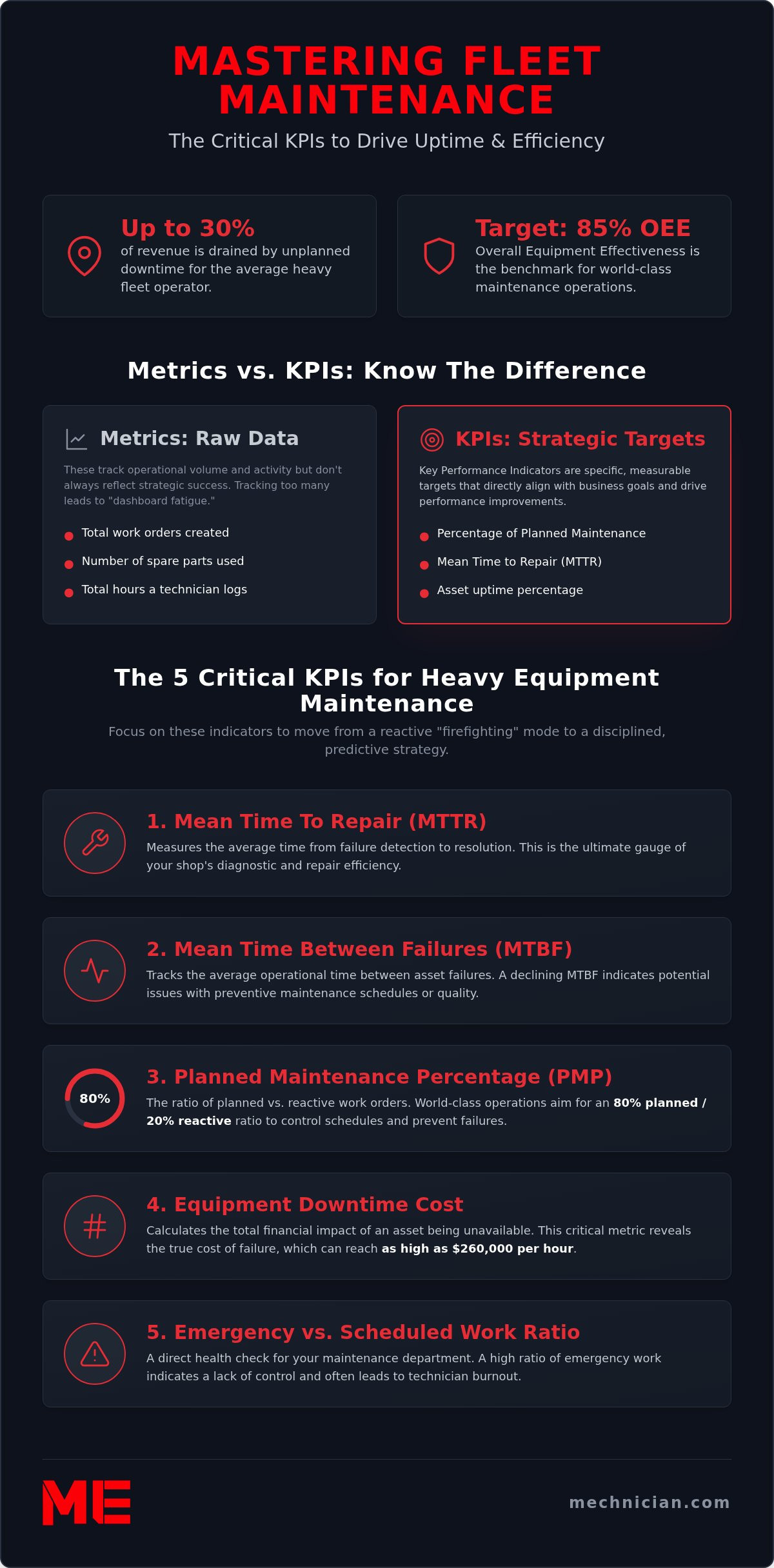
Did you know that unplanned downtime is currently draining up to 30% of revenue for the average heavy fleet operator? It's a staggering figure, especially when you're still fighting with manual logbooks and waiting for expensive dealer diagnostics. You're likely tired of the reactive cycle where repairs happen too late and costs are impossible to justify. Building a robust equipment maintenance KPI dashboard isn't just about pretty charts; it's about gaining the technical precision needed to keep your assets in the field.

We understand that a fleet manager's priority is operational stability and safety. In this guide, we'll provide a clear framework to help you master the metrics that matter most in 2026. You'll learn how to construct a diagnostic-driven dashboard that slashes downtime and optimizes shop efficiency. We'll explore how to reduce your Mean Time to Repair (MTTR) and reach the 85% OEE benchmark that defines world-class maintenance operations. By the end, you'll have a professional reporting structure ready for your next quarterly review.

Key Takeaways

  • Distinguish between raw data metrics and strategic KPIs to ensure your reporting drives measurable fleet performance improvements.
  • Build an equipment maintenance KPI dashboard that prioritizes "North Star" metrics like Mean Time to Repair (MTTR) to directly reduce unplanned downtime.
  • Learn a five-step architecture for designing a dashboard that integrates real-time ECU data and telematics for maximum diagnostic accuracy.
  • Understand how professional diagnostic tools like the Jaltest CV Kit eliminate data gaps by providing granular insights into asset health.
  • Discover how to leverage specialized technical support to maintain your dashboard targets and foster a sustainable, data-driven maintenance culture.

What is an Equipment Maintenance KPI Dashboard?

An equipment maintenance KPI dashboard is a centralized visual interface designed to track the critical health and performance metrics of a heavy equipment fleet. It functions as a diagnostic command center, pulling data from various sources to provide a real-time overview of operational readiness. For fleet managers in 2026, this tool has transitioned from a luxury to a necessity. Manual entry is no longer sufficient; the complexity of modern machinery requires direct integration with vehicle systems to eliminate human error and data gaps.

Effective fleet management relies on the 'Downtime Triangle'. This concept describes the constant tension between repair costs, service speed, and asset reliability. Without a professional equipment maintenance KPI dashboard, managers often make blind choices that sacrifice long-term reliability for short-term cost savings. By visualizing these three factors simultaneously, you can make data-driven decisions that protect your bottom line while ensuring your machines stay on the job site. This engineering-led approach replaces guesswork with technical certainty.

Maintenance Metrics vs. KPIs: Knowing the Difference

It's easy to confuse raw data with strategic insights. Metrics track almost everything in your shop, from the number of oil filters used to the total hours a technician spends on a machine. While this data is useful for inventory, it doesn't necessarily tell you if your maintenance strategy is succeeding. KPIs, or Key Performance Indicators, are the specific targets that move the needle for your business and align with your operational goals.

Consider the difference between 'Total Work Orders' and the 'Percentage of Planned Maintenance'. The first is a metric that describes volume; the second is a KPI that describes the health of your preventive program. If your total work orders are high but your planned maintenance percentage is low, your team is likely stuck in a reactive cycle. Tracking too many metrics leads to dashboard fatigue, where important signals are lost in a sea of irrelevant noise. Focus on the indicators that directly influence your fleet’s uptime and safety.

The ROI of Visualizing Fleet Health

A well-maintained dashboard offers significant financial advantages beyond simple organization. It allows you to identify 'lemon' assets, those specific machines that consistently underperform or require excessive repairs compared to the rest of the fleet. Identifying these outliers early enables you to retire or replace them before they cause a catastrophic failure in the middle of a critical project. This proactive stance is essential for maintaining long-term stability.

Digital transparency also enhances the residual value of your equipment. When it comes time to sell or trade in an asset, having a verified digital history of every diagnostic check and preventive service provides confidence to the buyer. This level of professional record-keeping can even be used to negotiate more favorable insurance premiums, as it proves a commitment to risk mitigation. Reducing unplanned downtime by 10% can recover thousands of dollars in lost operational revenue and prevent cascading project delays.

The 5 Critical KPIs for Heavy Equipment Maintenance

A professional equipment maintenance KPI dashboard must go beyond simple uptime tracking. To achieve true operational stability, you need to monitor the specific variables that influence your bottom line. In 2026, top-tier maintenance departments focus on five core indicators to evaluate their health. These metrics provide the technical precision required to move from a reactive "firefighting" mode to a disciplined, predictive strategy.

  • Mean Time to Repair (MTTR): This measures the average time required to troubleshoot and fix a failure. It is the ultimate gauge of your shop's diagnostic efficiency.
  • Mean Time Between Failures (MTBF): This tracks the reliability of your assets. A declining MTBF suggests your preventive maintenance (PM) intervals are either too far apart or being performed incorrectly.
  • Planned Maintenance Percentage (PMP): World-class operations aim for a ratio of 80% planned work to 20% reactive work. If your PMP is below 50%, your schedule is likely being dictated by equipment failures rather than your team.
  • Equipment Downtime: This calculates the total hours an asset is unavailable. In some industrial sectors, the hourly cost of unplanned downtime can reach as high as $260,000, making this a critical financial metric.
  • Emergency vs. Scheduled Work Ratio: This is a health check for your department. A high emergency ratio indicates a lack of control over asset health and often leads to technician burnout.

Deep Dive: Mean Time to Repair (MTTR)

MTTR is often misunderstood as just the time spent turning a wrench. In reality, it consists of three distinct phases: diagnosis time, active repair time, and testing time. For heavy equipment, diagnosis is frequently the longest phase. Waiting for a dealer technician or struggling with limited fault code information can extend downtime by days. Using independent diagnostic tools, such as the Jaltest CV Kit, can slash diagnosis time by 50% by providing immediate ECU access. Setting realistic benchmarks for AGV and OHW sectors ensures your team isn't penalized for the inherent complexity of specialized machinery.

Overall Equipment Effectiveness (OEE) for Mobile Assets

OEE is a standard in manufacturing, but it requires adaptation for mobile assets like excavators or forklifts. For these machines, availability must account for transport and setup time. Performance is often measured by cycle times or fuel efficiency rather than units produced. One of the biggest threats to heavy equipment OEE is excessive idle time. An equipment maintenance KPI dashboard that tracks idling helps identify operator behavior or logistical bottlenecks that waste fuel and accelerate engine wear without adding value. Aiming for an OEE benchmark of 85% puts your fleet in the "world-class" category of modern maintenance.

Architecture of a High-Impact Dashboard: 5 Steps to Design

Constructing an effective equipment maintenance KPI dashboard requires a structured approach similar to a complex mechanical assembly. You cannot simply display every available data point and expect clarity. A high-impact dashboard must be designed with a specific hierarchy of information that prioritizes actionable insights over raw volume. Following a disciplined five-step process ensures your reporting tool remains a functional asset rather than a digital distraction.

  • Identify your 'North Star' metric: Start with your primary operational bottleneck. If unplanned downtime is currently your biggest revenue leak, every other chart on the dashboard should provide context for that single figure.
  • Select your data sources: A reliable dashboard relies on three pillars: telematics for usage hours, CMMS for labor and parts history, and ECU diagnostic logs for real-time asset health.
  • Choose appropriate visualization styles: Use bar charts to compare performance between different machine models. Line graphs are ideal for identifying trends in reliability, while gauges provide an immediate status check against specific monthly targets.
  • Define user roles: A shop technician needs a view of active fault codes and upcoming PM tasks. Conversely, a CFO requires a high-level summary of the cost per operating hour and total maintenance spend.
  • Establish a 'Data Hygiene' protocol: Automated data is best, but for manual inputs, you must implement a strict protocol. Inaccurate work order entries will quickly compromise the integrity of your entire reporting system.

Visualizing Leading vs. Lagging Indicators

To move toward a predictive maintenance culture, your dashboard must distinguish between what has happened and what is likely to occur. Lagging indicators, such as last month's total repair costs, are historical records. They're useful for budgeting but don't prevent failures. Leading indicators are the secret to proactive management. For example, tracking the number of active 'Stage 1' fault codes across your fleet provides a window into future maintenance needs. Addressing these minor alerts before they escalate into 'Stage 3' critical shutdowns is how you protect your revenue.

Integrating Diagnostic Data into your Dashboard

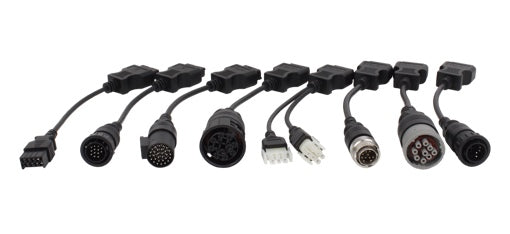
The most common failure point for an equipment maintenance KPI dashboard is a lack of granular technical data. Without direct ECU access, your dashboard is essentially guessing. Integrating diagnostic data allows you to create a 'High Risk' asset widget that automatically flags machines with recurring engine or hydraulic anomalies. The accuracy of this data stream depends heavily on the hardware interface used. Utilizing specialized diagnostic cables ensures a stable connection between the machine and your reporting software. By automating the data flow from your Jaltest kit directly into your dashboard, you eliminate the delays and errors associated with manual logbooks.

Equipment maintenance KPI dashboard

The Diagnostic Edge: How Tools Like Jaltest Feed Your KPI Accuracy

Many managers encounter the 'Black Box' problem when building an equipment maintenance KPI dashboard. This occurs when the dashboard tracks administrative data, such as labor hours and parts costs, but lacks direct access to the engine control unit (ECU). Without this deep technical visibility, your dashboard is essentially blind to the actual health of the machine. You might see that a repair took four hours, but you won't know if three of those hours were spent guessing at a fault code. Accurate reporting requires a direct digital bridge between the machine's brain and your management software.

The Jaltest CV Kit provides the granular data necessary to transform your Mean Time to Repair (MTTR) from a vague estimate into a precise metric. By delivering immediate, dealer-level diagnostic information, it eliminates the "diagnostic gap" where technicians wait for external help. This in-house capability allows you to validate your Mean Time Between Failures (MTBF) by ensuring the root cause was addressed. If a machine returns to the shop for the same fault within 48 hours, your dashboard will flag it not just as a new repair, but as a failure of the initial diagnostic process.

Consider the impact on 'Dealer Waiting Time'. In many heavy equipment sectors, waiting for a dealer technician can ground an asset for days. By performing diagnostics in-house, you reclaim control over your schedule. This shift doesn't just lower costs; it provides the clean, reliable data your dashboard needs to reflect the true operational efficiency of your workshop.

All-Makes Diagnostics vs. OEM-Specific Tools

Managing a mixed fleet of CAT, John Deere, and Volvo equipment often leads to 'Tool Fragmentation'. Buying a separate diagnostic laptop for every brand is expensive and creates inconsistent data streams. A single, high-quality vehicle diagnostic tool standardizes your KPI data across all brands. This unified approach simplifies technician training, as your team only needs to master one interface to pull data for the entire fleet. It ensures that the information flowing into your equipment maintenance KPI dashboard is consistent, regardless of the machine's color.

From Reactive to Predictive: The Role of Fault Code Analysis

Predictive maintenance relies on the ability to track 'Ghost Codes' and intermittent faults that don't yet trigger a dashboard warning light. Jaltest OHW and AGV kits allow you to monitor these early warning signs and predict failures before the operator even notices a performance drop. For example, performing a 'Force Regen' or a sensor calibration during a scheduled service prevents an emergency shutdown later. These proactive technical interventions directly improve your 'Schedule Compliance' KPI by ensuring that maintenance happens on your terms rather than the machine's.

Ready to eliminate the diagnostic gap in your fleet? Explore our range of professional Jaltest diagnostic kits to start feeding your dashboard with the precision data it deserves.

Scaling Your Maintenance Strategy with Mechnician

Implementing an equipment maintenance KPI dashboard is a significant step toward operational maturity, but the tool is only as effective as the culture supporting it. Mechnician functions as a professional partner, helping fleet managers transition from traditional mechanical repairs to a disciplined, data-driven maintenance culture. We provide the technical infrastructure and expertise required to ensure your reporting reflects the reality of your shop floor. By integrating advanced diagnostics into your daily workflow, you turn raw data into a strategic asset that protects your fleet's long-term stability.

We recognize that the initial investment in high-level diagnostic technology can be a hurdle for some organizations. However, viewing these tools as a capital investment in operational safety rather than a simple expense changes the financial equation. Mechnician offers pathways to help you finance your diagnostic future, allowing you to overcome cost objections by demonstrating a clear return on investment through reduced downtime. The Jaltest ecosystem is a unified solution, combining specialized software, ruggedized diagnostic laptops, and specialized cables to ensure your team has everything they need to succeed from day one.

Beyond the Tool: Training and Support

Technical training serves as the primary multiplier for your equipment maintenance KPI dashboard. Even the most advanced software is useless if your technicians don't feel confident navigating the interface. By providing comprehensive Jaltest training, we help your team master complex procedures like parameter adjustments and system calibrations. This investment in your people also helps reduce technician churn. When skilled mechanics have access to world-class diagnostic technology, they spend less time frustrated by "ghost codes" and more time performing high-value repairs.

Mechnician's Jaltest technical support acts as a critical safety net for your Mean Time to Repair (MTTR) goals. If your team encounters a particularly stubborn fault, our remote support specialists can provide the expert guidance needed to finalize the diagnosis. This partnership ensures that your dashboard targets remain achievable, even when facing the most complex electrical or hydraulic failures. It's about providing the confidence that your fleet will keep moving, no matter what technical challenges arise.

Next Steps: Building Your 2026 Fleet Strategy

Refining your maintenance strategy starts with a clear-eyed audit of your current data. Ask yourself: what information is missing from your quarterly reviews? If you cannot currently track the diagnostic time versus the active repair time for your heavy assets, your dashboard is incomplete. We recommend a 30-day challenge: select one new KPI, such as the ratio of emergency to scheduled work, and track it exclusively using data pulled from a Jaltest kit. This focused approach allows you to see the immediate impact of technical precision on your operational efficiency.

The transition to a predictive, data-driven shop doesn't happen overnight, but it does require a decisive first step. You can equip your shop with the Jaltest OHW Kit today to begin capturing the granular data your fleet requires. By combining engineering-grade tools with a commitment to continuous improvement, you'll build a maintenance department that isn't just a cost center, but a driver of organizational stability and growth.

Elevating Fleet Performance through Diagnostic Accuracy

Mastering your fleet's operational stability requires more than just gathering data; it requires the technical precision to act on it. By implementing a diagnostic-driven equipment maintenance KPI dashboard, you move beyond guesswork and manual logs. You've seen how tracking metrics like MTTR and OEE can transform your shop's efficiency and how integrating real-time ECU data eliminates the 'Black Box' problem. This disciplined approach ensures that every maintenance decision is backed by engineering-grade insights rather than administrative estimates.

Mechnician is an authorized Jaltest dealer dedicated to providing the infrastructure your fleet needs to thrive. We include remote diagnostic support to help you meet your MTTR goals and offer flexible financing for heavy equipment tools to ensure your shop stays competitive. This partnership allows you to focus on long-term growth while we provide the technical safety net for your diagnostic ecosystem. It's time to stop reacting to failures and start predicting them through proactive management.

Explore Jaltest Diagnostic Kits to Power Your Fleet Dashboard and take the first step toward a more stable, data-driven future. Your fleet deserves the reliability that only professional-grade diagnostics can provide.

Frequently Asked Questions

What is the most important maintenance KPI for heavy equipment?

Mean Time to Repair (MTTR) is often considered the most critical KPI because it directly measures your shop's diagnostic efficiency and mechanical speed. While overall uptime is important, MTTR identifies the specific technical bottlenecks in your repair process. Reducing this metric ensures that high-value assets return to the field faster, protecting your project timelines and revenue.

How do I calculate Mean Time to Repair (MTTR) for my fleet?

Calculate MTTR by dividing the total time spent on unplanned repairs by the number of repair incidents over a specific period. This calculation should include the time spent on initial diagnosis, active repair work, and final system testing. Tracking this formula within your equipment maintenance KPI dashboard allows you to see if delays are caused by technical complexity or parts availability.

Can I integrate Jaltest diagnostic data with my existing CMMS?

Yes, Jaltest diagnostic data can be integrated with most modern Computerized Maintenance Management Systems through the Jaltest GRP module. This allows you to synchronize fault code histories and diagnostic reports directly with your digital work orders. Automating this integration ensures your dashboard reflects real-time machine health without the risks associated with manual data entry.

How often should I review my maintenance KPI dashboard?

The frequency of your review should depend on your specific operational role. Shop managers should monitor the dashboard daily to manage active alerts and technician assignments. Fleet directors and executives typically review the data on a monthly or quarterly basis to identify long-term trends in reliability and to adjust maintenance budgets based on asset performance.

What is the difference between a maintenance dashboard and telematics?

Telematics systems focus on raw data collection, such as GPS location, engine hours, and fuel consumption. An equipment maintenance KPI dashboard functions as a higher-level analytical tool that combines telematics data with diagnostic logs and labor costs. While telematics shows you where a machine is, the dashboard provides the context needed to understand its operational health and financial impact.

How can I reduce unplanned downtime without hiring more technicians?

You can reduce downtime by providing your existing team with advanced diagnostic tools that accelerate the troubleshooting process. In-house ECU access allows technicians to identify root causes immediately, which increases their overall repair capacity. This proactive approach prevents minor sensor issues or fault codes from escalating into major mechanical failures that require extensive labor.

Is a KPI dashboard worth it for a small fleet of 5-10 machines?

A KPI dashboard is highly valuable for small fleets because the loss of a single machine represents a significant percentage of your total operational capacity. With fewer assets, you have a smaller margin for error regarding repair costs and downtime. Precise tracking helps you identify which machines are becoming 'lemons' and allows you to optimize your maintenance schedule for maximum stability.

What are the common mistakes when designing a maintenance dashboard?

The most frequent mistake is 'dashboard fatigue', which occurs when you track too many irrelevant metrics that obscure critical alerts. Another common error is relying solely on administrative data, such as parts costs, while ignoring deep ECU diagnostic information. Without technical data, the dashboard cannot provide the predictive insights needed to prevent future failures or improve repair efficiency.

Heavy Duty Diagnostic Tools: The 2026 Professional Guide to Fleet Maintenance

Heavy Duty Diagnostic Tools: The 2026 Professional Guide to Fleet Maintenance

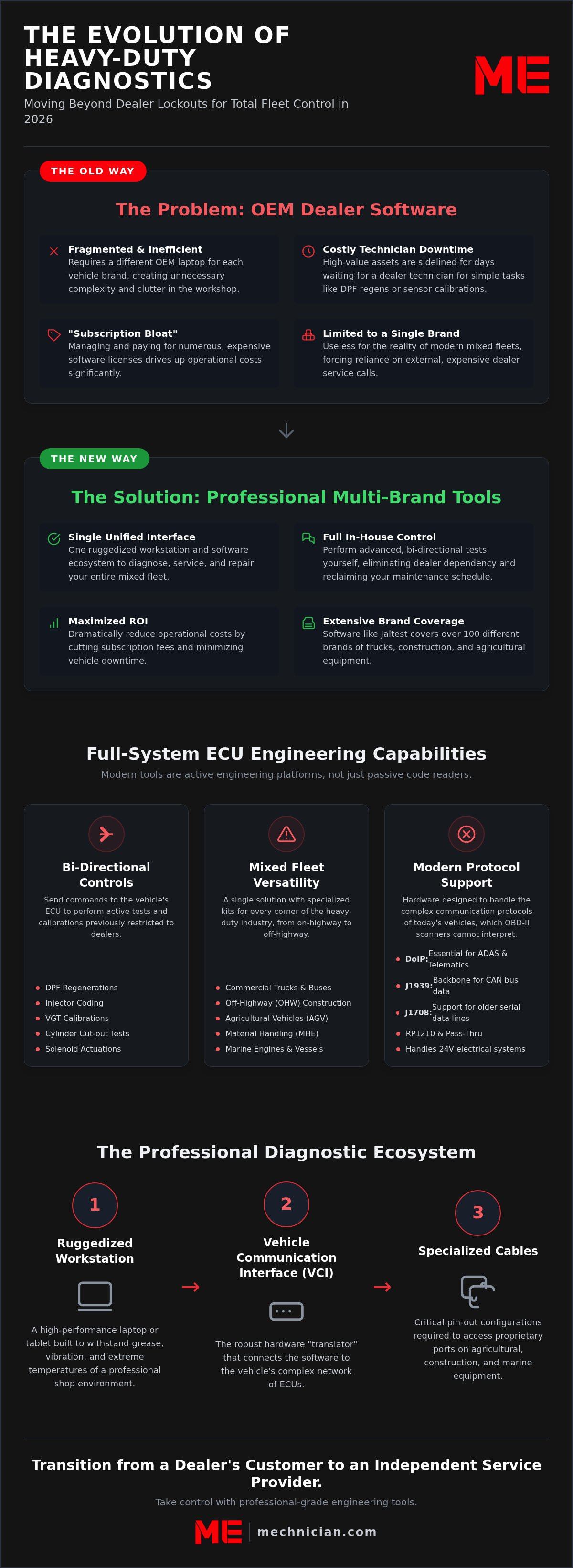
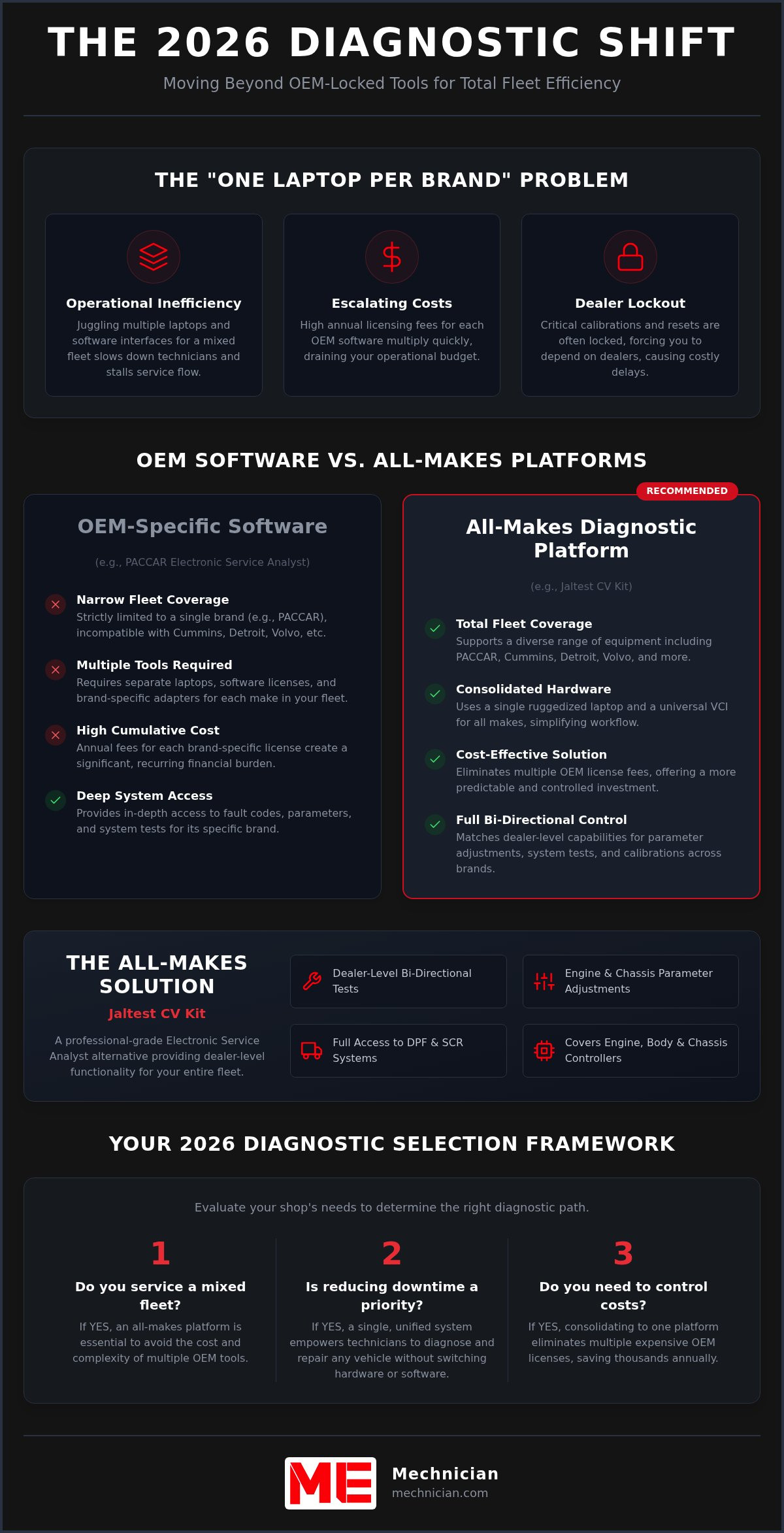
The most expensive tool in your shop isn't the lift or the alignment rack; it's the OEM software license that keeps you waiting three days for a dealer technician to arrive. You know the frustration of having a high-value asset sidelined because of a simple DPF regen or a sensor calibration that requires a proprietary unlock. Modern fleet management demands heavy duty diagnostic tools that prioritize engineering depth over brand loyalty. Carrying a dozen different OEM laptops is no longer a functional strategy for a mixed fleet in 2026. It creates unnecessary complexity and drives up operational costs through subscription bloat and technician downtime.

This guide will show you how to regain total control of your maintenance schedule by utilizing professional-grade engineering ecosystems that bypass dealer lockouts. We'll explore how the latest EPA "Freedom to Fix" guidance and FMCSA digital mandates are reshaping the industry's legal and technical landscape. You'll learn how to perform advanced tasks like injector coding and bi-directional testing in-house for trucks, tractors, and construction gear. We will break down the capabilities of the latest software releases, including Jaltest 26.1, to help you transition from being a dealer's customer to a fully independent service provider.

Key Takeaways

  • Learn how to transition from basic fault code reading to full-system ECU engineering using modern protocols like DoIP and J1939.
  • Discover how to perform critical bi-directional tests, such as DPF regenerations and injector coding, across more than 100 different brands.
  • Understand the operational efficiency of replacing multiple OEM laptops with a single, unified software interface for your entire mixed fleet.
  • Identify the specialized heavy duty diagnostic tools required for off-highway construction, agricultural machinery, and material handling equipment.
  • Explore how expert technical support and remote diagnostic assistance can eliminate the need for expensive dealer service calls.

What Defines a Professional Heavy Duty Diagnostic Tool in 2026?

The definition of a professional diagnostic interface has shifted significantly from the simple code-reading devices of the past decade. In 2026, heavy duty diagnostic tools are no longer just passive listeners; they've become active engineering platforms. A technician's ability to maintain a fleet now relies on full-system ECU engineering, which allows for deep-level parameter changes and component calibrations that were previously restricted to factory technicians. This evolution is driven by the increasing complexity of vehicle architectures, where a single fault in a secondary subsystem can trigger a derate or total vehicle shutdown.

Modern diagnostics rely on a sophisticated hierarchy of communication protocols. While J1939 remains the backbone for CAN bus communication in most heavy vehicles and J1708 supports older serial data lines, the industry has seen a massive surge in Diagnostics over IP (DoIP). This Ethernet-based protocol is essential for handling the high bandwidth required by modern Advanced Driver Assistance Systems (ADAS) and complex telematics units. Standard consumer-grade OBD-II scanners simply lack the hardware architecture to interpret these heavy-duty protocols or handle the 24V electrical systems found in Class 8 trucks and Tier 4 Final engines. Attempting to use a generic tool on a modern Cummins or Volvo engine often results in incomplete data or, worse, communication errors that can lock an ECU.

A professional kit is built as a cohesive ecosystem. It consists of a high-performance Vehicle Communication Interface (VCI) that acts as the translator between the machine and the software, a ruggedized workstation, and a comprehensive set of specialized cables. These cables are critical; they aren't just adapters but specific pin-out configurations required to access the proprietary ports found on agricultural machinery, cranes, and marine engines.

The Evolution of On-Board Diagnostics (OBD) in Industry

The transition from mechanical engines to complex Electronic Control Units (ECUs) was accelerated by increasingly stringent emissions standards. Regulations like EPA 2024 and Euro 6 have made advanced diagnostic access a necessity rather than a luxury. Without the ability to trigger a DPF regeneration or monitor SCR efficiency in real-time, a shop cannot legally or practically maintain a modern fleet. Heavy-duty diagnostics today function as a gateway into a complex, interconnected sensor network that governs every aspect of vehicle performance and safety.

Hardware vs. Software: Where the Real Value Lies

While the software provides the intelligence, the hardware provides the reliability. Using a ruggedized diagnostic laptop is a deliberate choice for professionals who work in environments filled with grease, vibration, and extreme temperatures. Standard consumer tablets often fail during long diagnostic sessions or lose connection during critical ECU flashing procedures. The real value of professional heavy duty diagnostic tools lies in their bi-directional capabilities. Unlike generic scanners that only read data, these tools can send commands back to the vehicle. This allows technicians to perform cylinder cut-out tests, actuate solenoids, and calibrate variable geometry turbochargers (VGT) without needing a dealer's intervention.

Deep Dive into Jaltest Software: More Than Just Fault Codes

Identifying a fault code is only the first step in a professional repair process. High-end heavy duty diagnostic tools like Jaltest distinguish themselves by providing the engineering data required to resolve the issue rather than just reporting it. While generic scanners leave technicians searching for external service manuals, this software integrates technical data directly into the diagnostic session. It covers over 100 brands through a single interface, which effectively eliminates the need for maintaining separate OEM software subscriptions for a mixed fleet.

The software's depth includes bi-directional controls that allow for active testing of components. Technicians can perform cylinder cut-out tests to isolate misfires or initiate a forced DPF regeneration to clear emissions-related derates. Access to Variable Geometry Turbocharger (VGT) calibrations ensures that replacement parts are synced correctly with the ECU. Because manufacturers release new ECU profiles and emissions maps frequently, regular updates are vital. The latest software releases, such as version 26.1, ensure compatibility with the newest vehicle models and regulatory changes through the latter half of 2026.

Interactive Wiring Diagrams and System Troubleshooting

Tracing an electrical fault often consumes more time than the actual mechanical repair. Jaltest addresses this with interactive wiring diagrams that allow technicians to click on a component to see its live data, physical location, and pin-out details. This "troubleshooting by symptom" approach guides junior technicians through a logical diagnostic path, ensuring they verify the root cause before replacing expensive sensors. It effectively prevents the "parts-cannon" approach, saving the fleet significant capital on unnecessary component replacements.

Calibrations and Parameter Adjustments

Modern fleet safety depends on precisely calibrated systems. The software handles critical calibrations for ADAS, Bendix or Wabco braking systems, and automated transmissions. Beyond repairs, it allows for parameter adjustments such as idle shutdown timers and maximum speed limits to improve overall fuel economy. Bi-directional control is the gatekeeper to true independent repair, as it allows a shop to finalize complex procedures without a dealer's digital key. If you're looking to upgrade your shop's capabilities, exploring a comprehensive diagnostic kit can provide the necessary autonomy for your maintenance team.

Comparing Multi-Brand Tools vs. OEM Dealer Software

Managing a mixed fleet with only OEM software is a logistical burden that many shops accept as an unavoidable cost of doing business. However, the hidden expenses of this approach extend far beyond the initial purchase price. Each manufacturer requires a dedicated laptop, specific proprietary cables, and a unique annual subscription. This creates a fragmented environment where IT maintenance and hardware clutter consume valuable shop space and technician time. Professional heavy duty diagnostic tools solve this fragmentation by providing a single interface for all brands.

Training a technician to be proficient in five different OEM software packages is a significant investment that carries a high risk of error. When the interface remains consistent across Volvo, Cummins, and Detroit Diesel, the learning curve flattens, and bay throughput increases. The ability to use a unified search function for fault codes across different engine manufacturers allows for faster triage and more accurate job quoting. This efficiency is critical for maintaining high uptime in competitive logistics environments.

The common myth that only a dealer can perform "real" engineering work is rapidly dissolving. While deep-level module programming or total ECU flashing occasionally requires factory-level access, professional multi-brand tools now cover approximately 95% of daily shop needs. From maintenance resets to complex engine work and aftertreatment troubleshooting, the gap between multi-brand and OEM has narrowed significantly. When calculating ROI, consider how many dealer service calls and associated towing fees it takes to offset the cost of a Jaltest CV Kit. For most fleets, the independence gained by performing these tasks in-house pays for the equipment within the first few months of operation.

Consolidating the Diagnostic Bench

A streamlined workspace is a more productive workspace. By reducing hardware clutter to a single ruggedized laptop, you simplify your IT infrastructure and ensure that your diagnostic equipment is always ready for use. Independent shops that have transitioned to this model report a significant reclamation of lost revenue. Some have seen as much as a 40% increase in billable hours by performing calibrations in-house rather than outsourcing them to external vendors. This shift allows the shop to maintain full control over the repair timeline.

When is OEM Still Necessary?

It's practical to acknowledge the edge cases where dealer tools remain the final word. These are typically limited to deep-level module flashing or specific warranty-related software updates. However, using heavy duty diagnostic tools as your primary diagnostic line is a strategic move. This approach ensures that your most expensive resources are only used for the 5% of tasks that truly require them, while the rest of your fleet stays moving through your own bays. This tiered strategy maximizes both capability and cost-efficiency.

Heavy duty diagnostic tools

Industry-Specific Solutions: OHW, AGV, and MHE Kits

While on-highway trucks dominate much of the diagnostic conversation, the true test of heavy duty diagnostic tools occurs in the field, on the farm, and at the docks. Specialized sectors like Off-Highway (OHW), Agriculture (AGV), and Material Handling (MHE) operate under unique mechanical and environmental constraints. Equipment in these industries, such as a 50-ton excavator or a marine vessel, cannot be easily transported to a dealership. This makes on-site diagnostic capability a fundamental requirement for maintaining operational stability and avoiding the massive logistical costs of moving disabled machinery.

Material handling equipment (MHE) presents its own set of challenges. Troubleshooting forklifts, telehandlers, and lift platforms requires access to specialized controllers for electric powertrains and hydraulic safety interlocks. Similarly, the marine sector requires a distinct diagnostic approach. Marine engines operate in highly corrosive environments, which necessitates the use of specialized water-resistant connectors and software that can interpret cooling system data and hull-specific sensors. Having a unified platform that covers these diverse sectors allows a multi-service shop to expand its revenue streams without investing in dozens of niche tools.

The Construction and Off-Highway Challenge

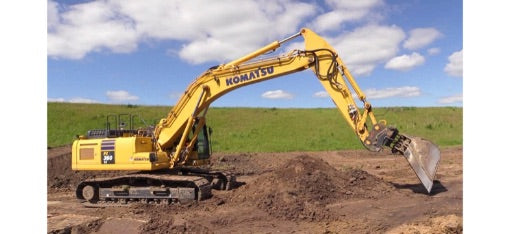
Heavy yellow iron from manufacturers like Caterpillar, Komatsu, and John Deere Construction relies on proprietary hydraulic systems and specialized transmission controllers. When a loader or crane enters a derate mode on a remote job site, the downtime costs can be catastrophic for a project's timeline. The Jaltest OHW Kit is engineered specifically for field technicians who need to perform deep-level diagnostics where the machine sits. It allows for the calibration of hydraulic valves and the troubleshooting of complex powertrain faults without waiting for a dealer's field service truck to arrive. For those managing diverse fleets, investing in a professional Jaltest OHW Kit is the most direct path to site autonomy.

Precision Agriculture and Modern AGV Diagnostics

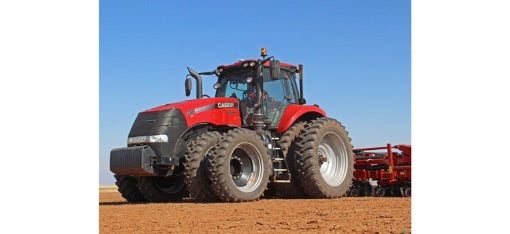
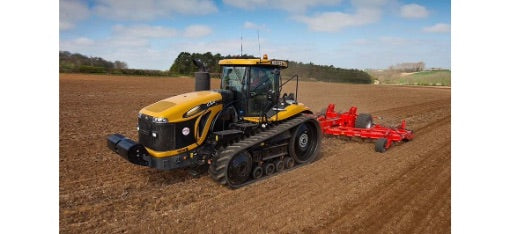
Modern tractors and harvesters have evolved into sophisticated mobile data centers. Brands like Case IH, Fendt, and New Holland utilize ISOBUS protocols and complex GPS-integrated systems to manage precision farming tasks. Diagnosing these machines requires more than just engine access; it requires the ability to perform PTO calibrations and hitch adjustments in the middle of a field. The seasonal urgency of the agricultural sector means that a breakdown during a harvest window is a critical emergency. Heavy duty diagnostic tools designed for AGV applications allow technicians to minimize this downtime by identifying sensor failures or software glitches immediately, ensuring the equipment stays in the field when it's needed most.

Maximizing ROI: Support, Training, and the Mechnician Advantage

Acquiring professional heavy duty diagnostic tools represents a significant capital investment, but the hardware itself is only 50% of the solution. True return on investment is realized when your technicians can utilize the full depth of the software without hesitation. In an industry where a single day of downtime can cost thousands in lost revenue, the ability to resolve complex faults quickly is what separates a profitable shop from one that remains dependent on dealer schedules. Maximizing this ROI requires a combination of real-time technical assistance and structured professional development.

The complexity of 2026 vehicle architectures means that even the most experienced lead technicians will eventually encounter intermittent electrical ghosts or undocumented ECU behaviors. This is where the engineering ecosystem becomes vital. By treating your diagnostic setup as a professional service rather than a one-time purchase, you ensure that your shop has the resilience to handle any make or model that enters the bay. This focus on long-term stability is what transforms a repair facility into a high-efficiency maintenance hub.

The Role of Remote Technical Support

Real-time assistance is the most effective way to prevent misdiagnosis and the unnecessary replacement of expensive sensors. Through remote diagnostic capabilities, Mechnician specialists can log directly into your workstation to view live data streams and sensor readings alongside your technician. This "expert in the passenger seat" approach provides a second set of eyes for complex electrical troubleshooting, ensuring that the root cause is identified before any parts are ordered. It significantly reduces the stress on your team and prevents the technician burnout that often leads to high turnover in the heavy-duty sector.

Continuous Learning and Technical Training

The bridge between a traditional mechanic and a modern "mechnician" is built through continuous education. Structured programs like Jaltest University offer a curriculum that covers everything from basic hydraulics to advanced ECU coding and ADAS calibration. This training is essential for maintaining shop competency as new emissions profiles and electronic control systems enter the market. Annual software license renewals are critical here; they don't just provide software updates but ensure your team has access to the latest technical bulletins and interactive wiring diagrams.

Investing in advanced technology also serves as a powerful recruitment tool. Top-tier technicians are drawn to shops that provide the best heavy duty diagnostic tools and the support systems required to use them effectively. When you empower your team with these resources, you're making a conscious decision to prioritize future stability over short-term savings. Empower your technicians with a Jaltest kit and professional support today to ensure your shop remains a leader in independent fleet maintenance.

Securing Your Fleet's Operational Future

The landscape of fleet maintenance in 2026 has moved beyond the era of simple mechanical adjustments. True operational stability now depends on your team's ability to navigate complex electronic architectures and bypass restrictive dealer lockouts. By integrating professional heavy duty diagnostic tools into your shop, you transition from a reactive service model to a proactive engineering environment. This shift allows you to handle everything from Class 8 trucks to specialized agricultural machinery with a single, unified interface, effectively eliminating the need for a dozen different OEM laptops.

Success in this high-tech sector isn't just about owning the right hardware; it's about having a reliable support system behind you. As an authorized Jaltest dealer, we provide the expert remote diagnostic support and specialized training needed to bridge the skills gap in your team. We also offer financing for all kits to ensure that advanced technology remains accessible for growing independent shops. Taking control of your diagnostic capabilities is a strategic decision to protect your long-term autonomy and ensure your assets stay in the field where they belong.

View our range of Jaltest Diagnostic Kits and reclaim your independence. Your shop already has the expertise; we provide the digital keys to unlock its full potential.

Frequently Asked Questions

Can a heavy-duty diagnostic tool perform DPF regenerations on all truck brands?

Professional multi-brand tools like Jaltest are engineered to perform forced DPF regenerations across all major truck manufacturers, including Freightliner, Kenworth, Peterbilt, and Volvo. The software communicates directly with the engine control module to initiate the burn process once all safety parameters are met. This capability is a fundamental requirement for resolving emissions-related derates and maintaining fleet uptime without relying on dealer service centers.

What is the difference between an OBD scanner and a bi-directional diagnostic tool?

A standard OBD scanner is a passive device that primarily reads and clears fault codes. In contrast, heavy duty diagnostic tools with bi-directional capability can send commands back to the vehicle's ECU. This allows you to actuate specific components, such as cycling a fan clutch or performing a cylinder cutout test. This active interaction is necessary for pinpointing mechanical failures and finalizing complex repairs.

Do I need a separate tool for my tractors and my semi-trucks?

You don't need separate hardware, but you do require the specific software modules for each sector. While the Vehicle Communication Interface (VCI) is often universal, tractors require the AGV module, while semi-trucks utilize the CV module. You can bundle these modules onto a single ruggedized laptop, allowing your technicians to service a mixed fleet of agricultural machinery and commercial vehicles using one unified system.

Is Jaltest software compatible with any laptop, or do I need a ruggedized one?

Jaltest software runs on standard Windows platforms, but using a ruggedized diagnostic laptop is the professional standard for shop and field environments. These devices are built to survive drops, vibrations, and exposure to shop fluids that would quickly destroy a consumer-grade laptop. Choosing ruggedized hardware ensures your diagnostic capabilities aren't sidelined by a broken screen or a failed hard drive during a critical repair.

What happens if my annual software license expires?

When an annual license expires, you'll lose access to the latest vehicle coverage, technical data updates, and interactive wiring diagrams. While some basic functions might remains accessible depending on your specific kit, the tool's effectiveness decreases as new ECU profiles are released. Maintaining an active license is critical for staying compliant with 2026 emissions regulations and ensuring your shop can service the newest models entering the market.

Can I use these tools to adjust the top speed or idle time of my fleet vehicles?

Professional engineering tools allow you to modify vehicle parameters such as maximum road speed and idle shutdown timers. These adjustments are essential for fleet managers looking to optimize fuel efficiency and enforce safety policies across their entire operation. Performing these parameter changes in-house saves significant time and money by eliminating the need for a dealer technician to perform a simple software adjustment.

Does the tool include wiring diagrams and component locations?

High-end software includes integrated technical data that provides interactive wiring diagrams and precise component locations. This information is linked directly to the fault codes you are currently diagnosing, which helps your team trace electrical issues with surgical precision. Having this data at your fingertips prevents technicians from having to search through external service manuals, which directly increases your shop's bay throughput and efficiency.

How does remote technical support work for heavy equipment in the field?

Remote support allows a specialist to log into your heavy duty diagnostic tools through an internet connection while you are standing at the machine. They can view live sensor data and guide you through complex troubleshooting steps in real-time. This service effectively provides an expert second opinion for difficult electrical faults, helping you resolve issues on-site and avoiding the logistical nightmare of towing disabled heavy machinery.

Electronic Service Analyst Alternative: Moving Beyond OEM-Only Diagnostics in 2026

Electronic Service Analyst Alternative: Moving Beyond OEM-Only Diagnostics in 2026

Maintaining a separate laptop for every OEM software isn't just a logistical headache; in 2026, it's an unnecessary drain on your fleet's operational efficiency. You've likely felt the frustration of being locked out of critical calibrations on a non-PACCAR engine or waiting days for a dealer-level software update while a truck sits idle. It's a common belief that proprietary tools are the only way to achieve deep-level bi-directional control, but recent shifts in Right to Repair legislation and diagnostic technology have changed the landscape. Finding a reliable electronic service analyst alternative is no longer about settling for less; it's about gaining the independence to service your entire mixed fleet without the burden of multiple expensive licenses.

In this guide, you'll discover how multi-brand diagnostic platforms provide the same dealer-level access you expect from Electronic Service Analyst while supporting a diverse range of equipment. We'll show you how to consolidate your diagnostic tools into a single, ruggedized laptop to perform complex calibrations independently. By moving beyond OEM-only restrictions, your shop can finally reduce downtime and eliminate the high costs associated with dealer-only repairs. This shift from brand-specific limitations to a unified diagnostic ecosystem ensures your operations remain stable, predictable, and fully under your control.

Key Takeaways

  • Learn why moving beyond PACCAR-specific software is essential for maintaining operational efficiency in a modern mixed-fleet environment.
  • Identify a professional-grade electronic service analyst alternative that provides dealer-level bi-directional tests and parameter adjustments across multiple engine brands.
  • Understand how to consolidate your diagnostic equipment into a single ruggedized laptop while maintaining full access to chassis and body controller systems.
  • Apply a 2026 selection framework to evaluate whether your shop requires the narrow depth of OEM software or the versatile coverage of an all-makes platform.
  • Discover how the Jaltest CV Kit eliminates the need for multiple expensive OEM licenses while ensuring your technicians have the technical support needed for complex repairs.

What is Electronic Service Analyst (ESA) and Why Seek an Alternative?

Electronic Service Analyst (ESA) is the specialized diagnostic software designed specifically for PACCAR vehicles, including Kenworth and Peterbilt models. Technicians use it as a bridge to communicate with various vehicle control modules. Version 5.7.0 remains the standard for these interactions. Most shops utilize it for critical tasks like clearing fault codes, adjusting engine parameters, and managing aftertreatment diagnostics for DPF and SCR systems. While effective for its specific niche, its proprietary nature often leads to the "Dealer Lockout" challenge. This occurs when a technician can diagnose a fault but cannot complete the final calibration or reset because the software lacks the necessary permissions for independent users. This forced dependency on dealerships creates significant delays and increases operational costs.

Transitioning to an electronic service analyst alternative has become a strategic move for shops aiming for diagnostic efficiency in 2026. By shifting toward all-makes platforms, businesses can bypass the limitations of brand-specific software while maintaining the high level of precision required for modern heavy-duty repairs.

The Limitations of OEM-Specific Software

Operating with OEM-only tools presents several hurdles for a growing shop. The most immediate issue is the high annual licensing fee required for each individual brand. These costs multiply quickly when you service a mixed fleet. Beyond the financial burden, ESA is entirely incompatible with other major engine brands like Cummins, Detroit Diesel, or Volvo. This means your shop must maintain multiple laptops and software subscriptions, each with its own unique interface. The steep learning curve for these different systems reduces technician productivity and slows down the overall service flow. It is an inefficient way to manage a modern repair facility.

Defining the Professional Multi-Brand Alternative

A true dealer-level alternative must provide more than basic code reading. It requires full bi-directional control, allowing technicians to send specific commands to the vehicle's ECUs. This includes performing cylinder cutouts, injector coding, and DPF regenerations. In 2026, the gap between OEM and all-makes software has narrowed due to new industry standards. For instance, the EPA guidance issued on July 1, 2026, reinforces the legal obligation for manufacturers to provide the same diagnostic information to independent shops as they do to dealerships. A professional electronic service analyst alternative leverages these standards and the Motor Vehicle Modernization Act of 2026 to offer a unified, ruggedized solution that covers the entire fleet with one interface.

Comparing OEM Software vs. All-Makes Diagnostic Platforms

Choosing between proprietary OEM software and a multi-brand platform requires an objective look at functional parity. While ESA provides deep access to PACCAR systems, a professional electronic service analyst alternative now matches these capabilities across fault code management, live data monitoring, and system testing. The primary difference lies in how these tools handle the hardware interface. OEM software often mandates brand-specific adapters, whereas all-makes platforms utilize a universal Vehicle Communication Interface (VCI). This hardware flexibility means your technicians don't need to swap cables or adapters when moving from a Peterbilt to a Freightliner, which preserves the physical integrity of your diagnostic ports over time.

Parameter programming is another area where the gap has closed significantly. Many shop owners worry that an alternative tool won't allow them to adjust idle shutdown timers or cruise control limits. Modern professional-grade platforms now support these adjustments for PACCAR engines, providing the same level of control as the dealer software. Because these all-makes tools receive frequent updates to stay current with new ECU releases, they often provide a more responsive user experience than legacy OEM programs. Investing in a Jaltest CV Kit allows your team to maintain this consistency across every bay in your shop.

Bi-Directional Capability and System Tests

The true measure of a diagnostic tool is its ability to perform bi-directional tests. An effective electronic service analyst alternative must execute cylinder cutouts and actuator tests with the same precision as the OEM tool. Forced DPF regenerations are a critical requirement for any independent shop; without this capability, you're forced to send trucks back to the dealer for simple emissions maintenance. High-quality alternative platforms also allow for sensor calibrations across various chassis modules, ensuring that the entire vehicle, not just the engine, is operating within safe parameters. This level of access is essential for maintaining long-term vehicle stability.

Operational Efficiency in the Shop

Consolidating your diagnostic tools into a single interface significantly reduces "laptop clutter." Instead of managing five different software licenses and their respective updates, your technicians work within one standardized environment. This standardization simplifies training; once a technician masters the interface, they can apply that knowledge to Cummins, Detroit Diesel, or Volvo engines without learning a new system. Unified fault code descriptions also improve diagnostic speed. By providing clear, actionable information in a consistent format, these tools help your team identify the root cause of a problem faster, which directly reduces vehicle downtime and improves shop throughput.

Deep Diagnostics: Beyond PACCAR to Total Fleet Coverage

Modern fleet management requires more than just engine-level visibility. While PACCAR’s proprietary software focuses heavily on the power plant, a true electronic service analyst alternative must address the entire vehicle architecture. This includes seamless support for Cummins, Detroit Diesel, and Volvo/Mack engines, ensuring that a single tool can handle any truck that enters the bay. Beyond the engine block, these platforms provide access to chassis and body controllers, which are often the source of complex electrical faults that brand-specific tools might overlook.

Communication protocols have evolved significantly over the last decade. Technicians now encounter J1939 and legacy J1708 alongside the rapid shift to CAN-FD in newer 2026 models. A professional-grade electronic service analyst alternative handles these protocols automatically. This all-systems approach ensures that transmission and ABS diagnostics are performed with the same depth as engine checks. It provides a holistic view of the vehicle, which is essential for maintaining safety and operational uptime across a diverse fleet. When you can see every module on the network at once, you eliminate the guesswork often associated with intermittent communication errors.

Aftertreatment and Emissions Support

Emissions systems remain a primary cause of unplanned downtime. A versatile diagnostic tool allows technicians to manage SCR and DEF system checks for various manufacturers without switching software. You can reset ash accumulators and soot levels independently after a filter cleaning or replacement. Troubleshooting NOx sensors and temperature probes becomes a standardized process, regardless of the truck's brand. This independence is vital for meeting strict emissions regulations, such as the CARB Clean Truck Check, without relying on dealer schedules.

The Role of Technical Data and Wiring Diagrams

Diagnostic efficiency isn't just about reading codes; it's about finding the solution. Integrating interactive wiring harnesses directly into the software allows technicians to trace circuits without leaving the laptop. You can access component locations and specific torque specifications instantly. This eliminates the need to search through external service manuals, which often contain outdated or generalized information. By having technical data and diagnostics in one place, your shop ensures that repairs are performed to precise engineering standards every time, reducing the risk of repeat failures.

Electronic service analyst alternative

Evaluating Your Next Diagnostic Investment: A 2026 Selection Framework

Selecting a diagnostic tool requires a structured approach that prioritizes long-term shop stability. First, assess your fleet composition. If your yard consists exclusively of Peterbilt or Kenworth units, the proprietary software might meet your needs. However, for the millions of Class 8 trucks currently operating in North America, most belong to mixed fleets that demand more versatility. Choosing an electronic service analyst alternative is a strategic decision to gain independence. You must verify that the tool supports the specific bi-directional tests and calibrations your technicians perform daily. A tool that only clears codes won't help when a VGT actuator requires precise calibration or an injector needs coding after a replacement.

The support ecosystem is just as critical as the software itself. A provider should offer more than a simple license key; they should act as an extension of your technical team. You also need to consider the physical hardware. Shop floors are unforgiving environments where dust, grease, and vibrations are constant. Investing in ruggedized diagnostic laptops ensures your equipment survives these daily rigors. These devices provide a stable platform for your software, preventing the hardware failures that often lead to expensive downtime during a critical repair.

Total Cost of Ownership (TCO) Analysis

A thorough TCO analysis looks beyond the initial purchase price. You should compare the one-time hardware fees and recurring annual license renewals against the high cost of outsourced dealer repairs. By performing advanced diagnostics in-house, you directly improve your return on investment. The value of included software updates is also significant, as it ensures your tool remains compatible with new 2026 vehicle releases without additional hidden costs. This proactive financial perspective turns a technical expense into a long-term asset for your business.

Training and Onboarding for Technicians

Standardizing on a single software platform simplifies the onboarding process for new hires. They don't have to waste time learning five different interfaces to work on a mixed fleet. Enrolling your team in professional training courses ensures they can leverage the full bi-directional depth of your electronic service analyst alternative. Modern virtual training options allow your staff to stay current with evolving technology without the need for travel. This commitment to technician expertise ensures that your diagnostic processes remain precise, reliable, and efficient.

Ready to optimize your shop's workflow? Explore our complete diagnostic solutions to find the right fit for your fleet.

The Jaltest CV Solution: A Professional-Grade ESA Alternative

The Jaltest CV Kit stands as the definitive electronic service analyst alternative for shops that demand dealer-level precision without OEM limitations. It provides the same bi-directional depth required for Kenworth and Peterbilt trucks while extending that capability to every other major brand in your fleet. This unified platform eliminates the need for multiple proprietary licenses, allowing your technicians to focus on the repair rather than managing software updates. By integrating diagnostics, technical data, and parts information into one interface, the Jaltest ecosystem empowers independent shops to perform complex calibrations and troubleshooting that were previously reserved for franchised dealerships.

Mechnician enhances this hardware and software solution by providing a layer of professional technical expertise that goes beyond the standard license. We understand that a tool is only as effective as the support behind it. Our approach integrates Jaltest technical support directly into your shop's workflow, ensuring that your operations maintain a high level of stability. This partnership allows you to handle advanced repairs with confidence, knowing that a specialized external unit is ready to assist when needed. Investing in advanced diagnostic technology is a strategic decision, and exploring modern acquisition options can help your shop stay current with 2026 industry standards without compromising cash flow.

Real-Time Troubleshooting with Remote Support

Mechnician technicians provide remote desktop assistance to help your team navigate complex repairs that go beyond standard automated routines. If a specific calibration proves difficult or a fault code requires deeper analysis, our experts can log in directly to your laptop. This direct line to diagnostic specialists provides the peace of mind necessary for maintaining a fast-paced shop environment. It ensures that no truck sits idle simply because of a software hurdle or a confusing diagnostic path. This proactive service model turns technical challenges into predictable, manageable processes.

Customized Bundles for Your Specific Needs

Every shop has different requirements based on their fleet composition and service volume. We provide Ruggedized Diagnostic Laptops pre-configured with the Jaltest software for immediate use on the shop floor. These bundles include Specialized Diagnostic Cables for PACCAR, Cummins, and other major manufacturers, ensuring you have the physical connection needed for any vehicle. Beyond commercial trucks, the Jaltest ecosystem can be expanded to include OHW (Off-Highway), MHE (Material Handling), and Marine applications. This scalability makes it a future-proof investment for businesses looking to grow their service capabilities while maintaining a single, unified diagnostic interface.

Future-Proofing Your Shop’s Diagnostic Capabilities

Transitioning to a unified diagnostic ecosystem is a conscious decision to prioritize long-term stability and shop efficiency. By adopting a professional electronic service analyst alternative, your facility gains the independence to perform dealer-level calibrations and bi-directional tests across every truck in the yard. This shift eliminates the logistical burden of multiple OEM licenses while ensuring your technicians have the technical data needed for precise repairs. You no longer have to wait for dealer schedules to complete simple resets or emissions maintenance.

As an Authorized Jaltest Dealer, Mechnician provides more than just software. We offer remote diagnostic specialist support to guide your team through complex troubleshooting and flexible business financing to make advanced technology accessible. Our goal is to serve as a reliable partner that integrates into your organization to ensure continuous, trouble-free operation. Explore the Jaltest CV Kit: The Ultimate Professional Alternative today and take full control of your fleet's maintenance schedule.

Frequently Asked Questions

Can an alternative to Electronic Service Analyst perform a forced DPF regen?

Yes, a professional-grade electronic service analyst alternative like the Jaltest CV Kit can perform forced DPF regenerations on PACCAR engines. This capability includes resetting soot levels and ash accumulators after a filter cleaning or replacement. These bi-directional functions ensure that independent shops can complete emissions-related maintenance without relying on dealer software, which directly reduces vehicle downtime and operational costs.

Will I lose my Kenworth/Peterbilt warranty if I use a multi-brand diagnostic tool?

No, using a multi-brand diagnostic tool for maintenance and troubleshooting does not void your vehicle's warranty. Federal regulations, including the Motor Vehicle Modernization Act of 2026, protect your right to use third-party tools for service. As long as the tool is used according to professional standards and doesn't cause physical damage to the electronic control units, your factory warranty remains intact.

Does the Jaltest CV Kit support parameter changes like road speed limits?

Yes, the Jaltest CV Kit allows technicians to adjust various engine parameters, including road speed limits and cruise control settings. These adjustments are critical for fleet managers who need to standardize performance and safety across a mixed fleet. This level of access ensures that you can manage your fleet's fuel efficiency and operational safety standards independently without scheduled dealer appointments.

What is the main difference between an OBD scanner and a professional diagnostic kit?

The primary difference lies in the depth of system access and bi-directional control. A basic OBD scanner typically only reads and clears generic engine codes. In contrast, a professional diagnostic kit provides dealer-level access to every module on the vehicle, including the transmission, ABS, and body controllers. It allows for complex calibrations, injector coding, and real-time system tests that a standard scanner cannot perform.

How often do I need to renew the software license for an alternative tool?

Professional diagnostic platforms generally require a Jaltest Software Annual License renewal to maintain access to the latest updates. These updates are essential for staying current with new ECU releases and the 2026 vehicle models entering the market. While the hardware remains yours, the annual subscription ensures your technical data and diagnostic capabilities remain precise and compatible with evolving truck technology.

Can I use my existing laptop for multi-brand diagnostic software?

Technically, you can install the software on a standard laptop if it meets the minimum system requirements. However, we strongly recommend using Ruggedized Diagnostic Laptops for a repair shop environment. These devices are specifically engineered to withstand the dust, vibrations, and accidental drops that occur in a heavy-duty bay, providing a much more stable platform for your diagnostic software than a consumer-grade laptop.

Does Mechnician provide training for the Jaltest diagnostic system?

Yes, Mechnician offers dedicated Jaltest training to ensure your technicians can leverage the full potential of the software. This training focuses on practical applications, such as performing advanced bi-directional tests and navigating technical wiring diagrams. Proper training reduces the learning curve for your team, allowing them to perform complex diagnostics more efficiently and accurately from the first day of use.

Is remote technical support included with the diagnostic hardware purchase?

Mechnician provides specialized Jaltest technical support to assist our partners with complex diagnostic challenges. This service includes remote desktop assistance, where our experts can connect to your diagnostic laptop to help troubleshoot difficult faults or interpret complex data. This direct line to technical expertise ensures your shop can maintain a steady workflow even when facing the most challenging electrical or mechanical issues.

Back to News
Excavator Hydraulic Pressure Testing: The Professional Diagnostic Guid