










In 2026, a multi-brand diagnostic tool is no longer just a workshop purchase; it's a strategic insurance policy against the escalating costs of dealer-controlled downtime. You've likely experienced the frustration of seeing a vehicle sit idle for days while waiting for a dealer technician to clear a simple code, all while third-party repair fees continue to rise. It's a bottleneck that hampers your shop’s efficiency and leaves your skilled technicians feeling sidelined by limited-access tools.
Successfully building a business case for diagnostic tools 2026 requires shifting the conversation from the initial price tag to the long-term value of operational independence. You'll learn how to quantify the ROI of professional kits like Jaltest CV or AGV and secure stakeholder approval by demonstrating exactly how much you can save in labor recovery and reduced vehicle downtime. We'll provide the data-driven framework you need to prove that moving away from OEM-dependency isn't just a technical upgrade. It's a vital step for your fleet's financial stability and long-term sustainability.
Key Takeaways
- Understand the concept of diagnostic autonomy and how performing dealer-level repairs in-house bypasses the increasing complexity of 2026 emissions standards.
- Learn to apply the Lost Opportunity Cost formula to quantify exactly how much idle vehicles are costing your operation compared to the price of a diagnostic license.
- Discover how building a business case for diagnostic tools 2026 involves reclassifying hardware as a CAPEX asset to move past initial price tag objections.
- Follow a structured five-step approach to audit your last 12 months of downtime and identify the specific fleet units where a Jaltest kit provides the fastest ROI.
- Identify the importance of selecting industry-specific kits, such as Jaltest CV or OHW, to ensure your shop has the exact technical coverage required for long-term stability.
Table of Contents
The 2026 Diagnostic Landscape: Why Autonomy is a Business Imperative
The 2026 fleet management environment isn't defined by the size of your motor pool, but by the depth of your technical independence. Diagnostic Autonomy is the ability to perform dealer-level repairs and calibrations in-house. It's no longer a luxury for large-scale operations; it has become a baseline requirement for survival. As the industry prepares for the EPA Phase 3 greenhouse gas standards, the complexity of vehicle systems is reaching a tipping point. Relying on external vendors for every sensor reset or software handshake is a strategy that leads to terminal downtime.
The 'Right to Repair' movement has gained significant momentum, providing the legal and technical framework for fleets to access the same data as authorized dealers. This shift makes 2026 the optimal window for investment. Modern on board diagnostics (OBD) have evolved far beyond simple fault code reading. We've moved into an era of advanced bi-directional control. Your shop must be able to command component tests and perform complex parameter resets to keep vehicles on the road. Building a business case for diagnostic tools in 2026 is about reclaiming that control.
Understanding the Cost of Dealer Lockouts
Wait times for dealer technicians in the current market often span several days or even weeks. This delay triggers the 'Iceberg Effect' of maintenance costs. While the service invoice is visible, the indirect costs, including administrative labor, disrupted schedules, and missed delivery windows, represent a much larger financial burden. With FMCSA fines for inspection violations reaching up to $19,000 as of May 2026, the risk of running a vehicle with unresolved fault codes is too high to ignore.
Proprietary lockouts often include hidden fees for 'forced' software updates that your technicians could have handled internally with the right equipment. This dependence erodes your competitive advantage. In sectors like logistics or construction, the speed of repair determines your ability to bid on and execute contracts. Taking charge of your own diagnostics ensures your fleet isn't held hostage by a dealer's schedule or proprietary fee structures.
The Evolution of Multi-Brand Diagnostics
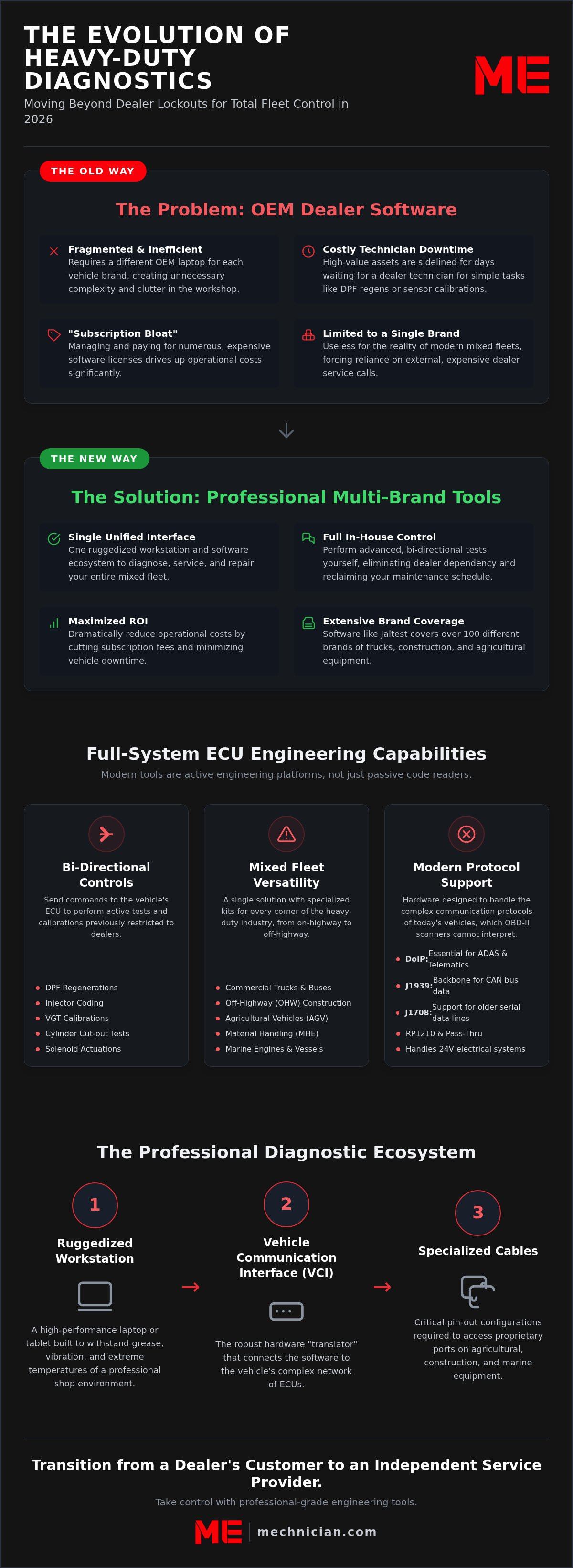
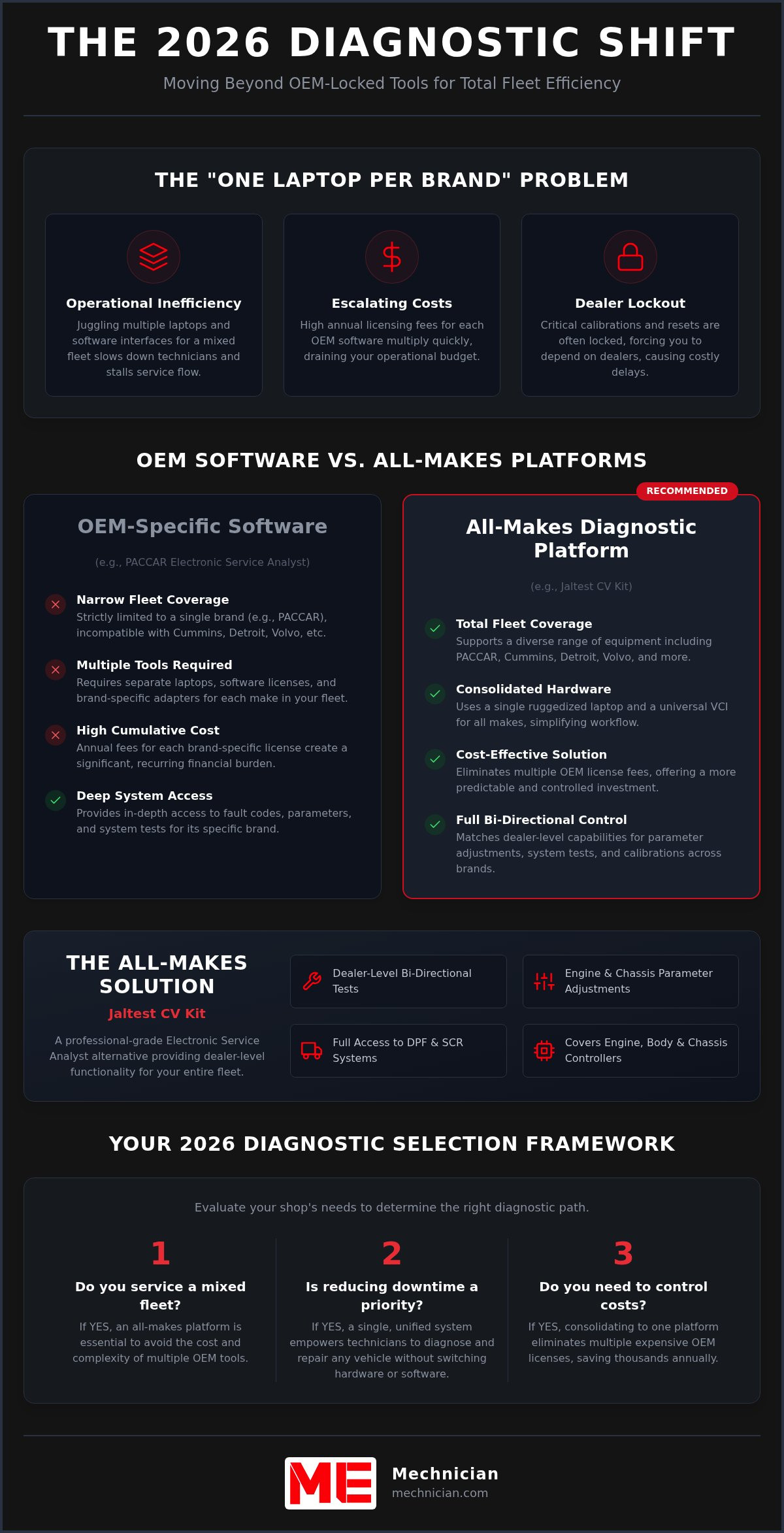
The industry is moving away from a fragmented collection of OEM-specific tools. Maintaining separate subscriptions for every brand in your fleet is inefficient and technically cumbersome. Universal ecosystems, such as the Jaltest CV or OHW kits, provide a unified interface for mixed fleets. Adhering to the professional vehicle diagnostic tool guide 2026 industry standards ensures your shop maintains uniformity across all assets. The 'All-Makes, All-Models' approach is the 2026 industry standard, allowing your technicians to master one high-level system rather than struggling with five different proprietary platforms.
Quantifying the ROI: Measuring Downtime vs. Investment
Downtime is a silent profit killer. When building a business case for diagnostic tools 2026, the most persuasive data point isn't the cost of the hardware, but the cost of waiting. You can calculate this through the Lost Opportunity Cost formula: (Hourly Revenue Loss x Hours of Downtime). If a heavy-duty asset generates significant hourly revenue, even a two-day delay for a dealer technician can eclipse the cost of a multi-brand diagnostic kit. By performing your own DPF regenerations and sensor calibrations, you stop paying for a dealer's overhead and start recovering your own labor hours.
The financial shift is clear when you compare annual software license fees to the escalating costs of third-party service calls. Most fleets find that performing just five to ten in-house repairs that would have otherwise required a dealer visit covers the entire yearly investment. According to the 2025 Fleet Technology Trends Report, many organizations achieve a positive ROI in less than twelve months by focusing on these internal efficiencies. Reducing your Mean Time to Repair (MTTR) ensures that your assets are earning, not sitting in a bay waiting for a proprietary software handshake.
Calculating the Payback Period
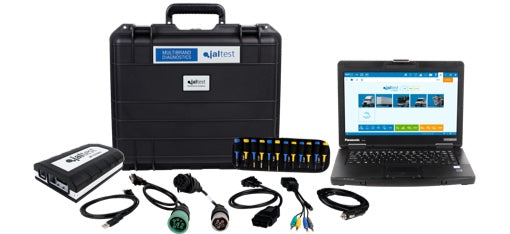
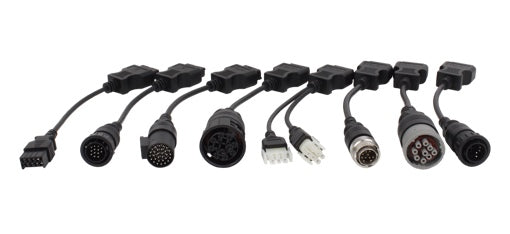
Finding the break-even point for a Jaltest OHW Kit requires an honest look at your current shop rates versus third-party invoices. Factor in the hourly rate of your technicians and compare it to the premium charged by external vendors. Don't overlook the role of specialized diagnostic cables; these allow for immediate connection to diverse machinery, stripping hours away from the diagnostic phase. If you're ready to evaluate your fleet's specific needs, exploring the technical specifications at Mechnician can help clarify the right path forward for your shop.
Impact on Long-Term Asset Health
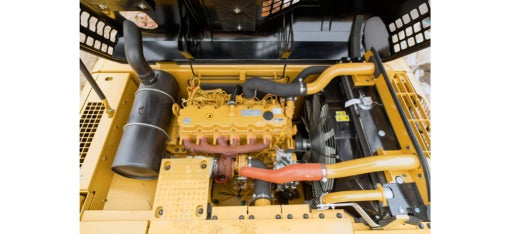
Professional diagnostics move your operation from reactive maintenance to precision care. Early detection of minor faults prevents catastrophic engine or hydraulic failure. For example, monitoring the health of a Cummins B6.7L engine through real-time data allows you to address sensor drift before it leads to a full-system derate. This data-driven approach eliminates the "parts cannon" strategy, where technicians replace expensive components based on guesswork. Instead, you use comprehensive technical data to identify the root cause, extending the lifespan of your most valuable assets and ensuring long-term fleet stability.
Overcoming the High Initial Cost Objection
The sticker price of a professional diagnostic system often causes hesitation during the budget approval process. However, building a business case for diagnostic tools 2026 requires shifting the perspective from a one-time expense to a long-term capital asset. Reclassifying the kit as a CAPEX investment allows for depreciation over several years, aligning the cost with the extended service life of your fleet. It's a strategic move that recognizes the tool's role as a permanent and essential part of your shop's infrastructure.
There's a fundamental difference between a basic code reader and a professional diagnostic kit like the Jaltest CV or OHW. A consumer-grade scanner might identify a fault code, but it lacks the bi-directional capabilities required to perform a forced DPF regeneration or a hydraulic pressure calibration. Opting for a cheaper, limited tool often results in "Cheap Tool Failure." This occurs when a technician spends hours attempting a repair only to realize the tool can't access the specific ECU, forcing a costly dealer call anyway. The initial savings are quickly erased by lost labor and external service fees.
Financing options available through partners like Mechnician help distribute the initial investment, making it easier to integrate high-end kits into your budget without straining cash flow. This approach lowers the barrier to entry while ensuring your team has access to the best available technology from day one. By choosing a professional ecosystem, you avoid the trap of inferior equipment that leads to wasted technician time. Professional kits provide the depth of coverage needed for the complex OHW and MHE units that consumer tools simply cannot manage.
Ruggedized Hardware vs. Consumer Laptops
Standard office laptops aren't designed for the harsh realities of a heavy-duty shop or field environment. Dust, moisture, and the occasional drop are inevitable in industrial settings. A ruggedized diagnostic laptop is built to withstand these conditions, ensuring your technicians aren't left stranded by hardware failure during a critical repair. While the upfront cost is higher, the reliability prevents the secondary downtime caused by fragile equipment failing in the middle of a diagnostic session. It's a matter of ensuring the tool is as tough as the machinery it services.
The Value of the Software Ecosystem
The Jaltest Software Annual License should be viewed as a continuous data service rather than a recurring fee. Manufacturers release new vehicle modules and ECU configurations constantly, especially with the rapid changes in 2026 emissions technology. Bi-monthly updates ensure your shop remains compatible with the newest assets in your fleet. Missing a single critical update can lead to a lockout on a newer model year vehicle, instantly negating the autonomy you've worked to build. This ongoing support ensures your investment remains relevant as vehicle technology evolves.

5 Steps to Presenting Your Business Case to Stakeholders
Securing approval for a high-tier diagnostic system requires more than just a list of technical features. It demands a structured argument that aligns with the financial and operational goals of the organization. When building a business case for diagnostic tools 2026, your presentation should move through a logical progression from historical pain points to future stability. This approach transforms the request from a simple purchase into a strategic solution for fleet resilience.
Start by auditing your last 12 months of dealer-related downtime and service invoices. Documenting every instance where a vehicle sat idle while waiting for an external technician provides the foundation for your ROI calculation. Next, identify the 'Critical Failure' vehicles in your fleet. These are high-value units, such as specific MHE or AGV models, where even a few hours of downtime causes significant operational disruption. Highlighting these specific risks makes the need for in-house diagnostics immediate and tangible for decision-makers.
Requesting a pilot demonstration is a vital step in proving time-to-fix improvements. Seeing the tool in action on your own equipment eliminates theoretical doubt. Finally, present a tiered procurement plan that prioritizes the highest-impact kits first. This allows for a phased rollout that demonstrates early wins before expanding the investment across the entire fleet. Integrating a training roadmap using resources like Jaltest University ensures that the hardware is supported by a skilled workforce from day one.
Auditing Your Current Service Pipeline
A compelling data set distinguishes between 'Wait Time' and 'Wrench Time.' Wait time represents the period an asset is non-productive while awaiting a dealer slot. Wrench time is the actual repair duration. By tracking these metrics, you can pinpoint exactly where OEM dependency is stalling your operations. Identify specific brands like CAT, Mack, or Volvo where proprietary lockouts are most frequent. It is essential to demonstrate that the Jaltest CV covers the broadest range of commercial vehicles, providing a single-platform solution for these diverse brands.
Building the Training and Support Roadmap
The 'Skills Gap' is a common objection from stakeholders who worry that the technology is too complex for the current team. Address this by including professional training course enrollment in your proposal. Explain how remote technical support acts as a force multiplier for junior technicians, allowing them to handle complex jobs with the guidance of experienced specialists. This support system ensures that your investment remains productive even as your team develops their expertise. If you're ready to start your fleet audit, you can explore customized diagnostic kits to find the best starting point for your procurement plan.
Partnering with Mechnician for Fleet Stability
Choosing the right hardware is only half the battle. Building a business case for diagnostic tools 2026 requires a partner who understands that a tool is only as effective as the support behind it. Mechnician doesn't just supply equipment; we function as a technical extension of your shop. As an authorized dealer, we ensure your investment is backed by deep product knowledge and direct access to the latest software developments from Cojali S.L. This partnership ensures that your diagnostic autonomy is sustainable over the long term.
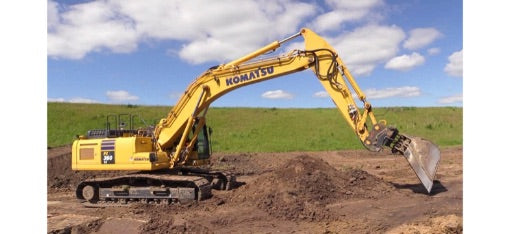
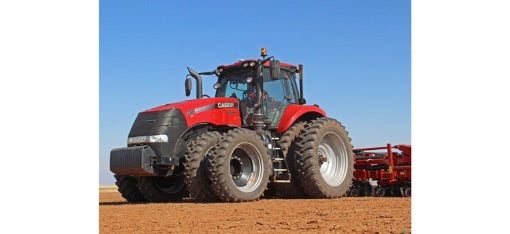
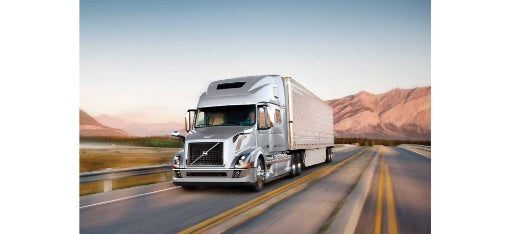
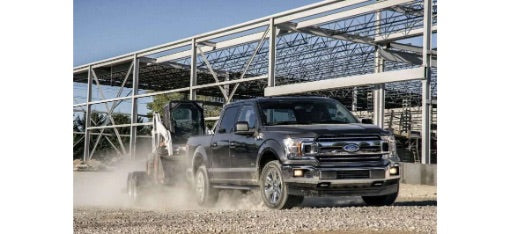
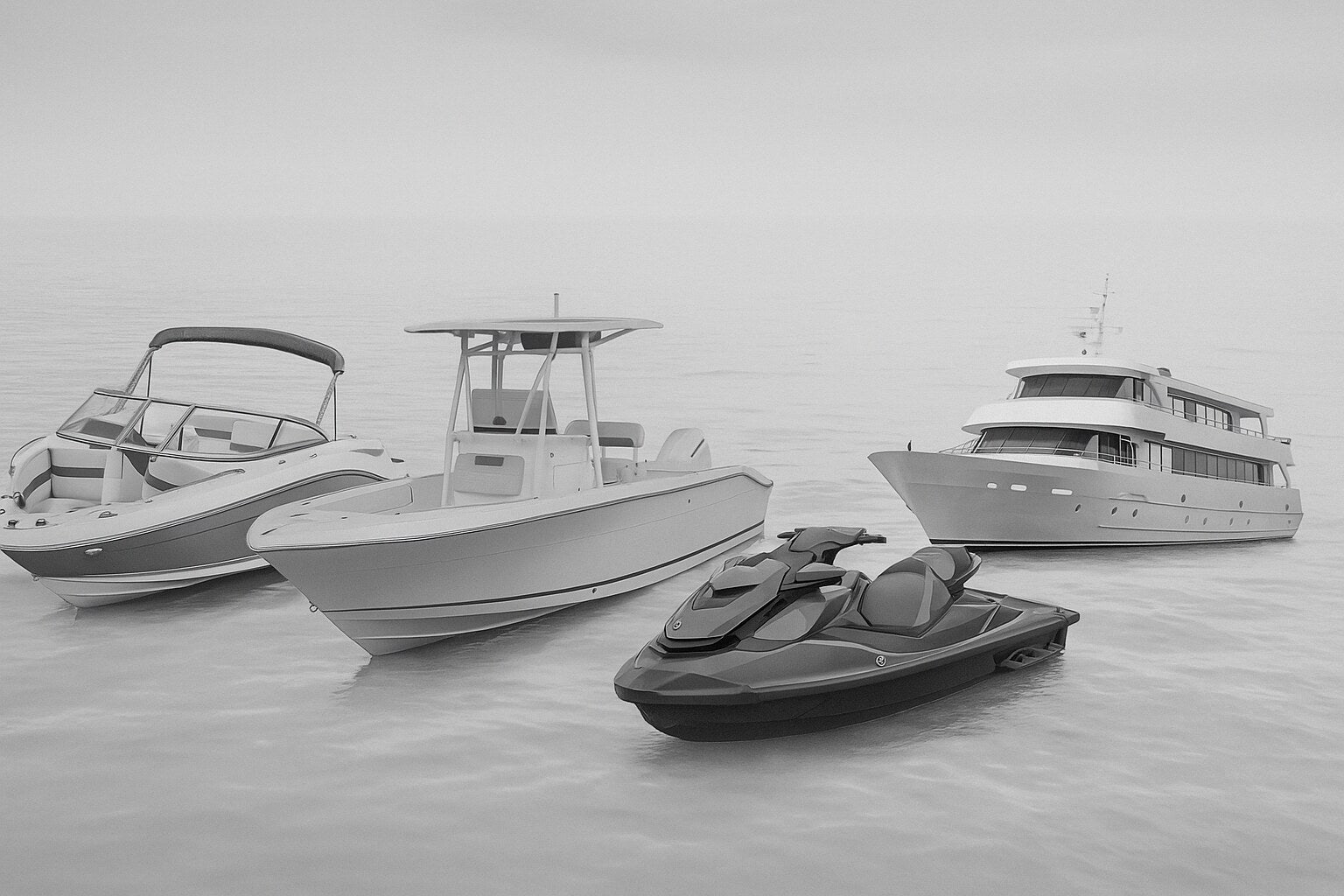
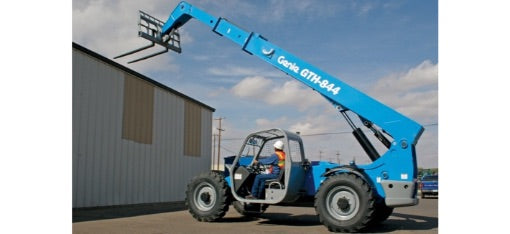
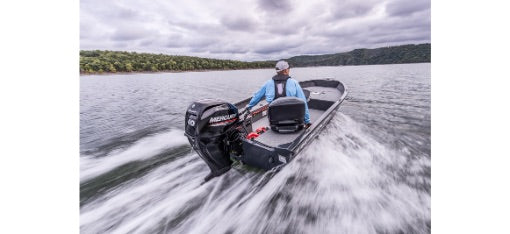
Every fleet has a unique composition. A construction firm needs the Jaltest OHW Kit for heavy machinery, while a logistics provider might focus on the Jaltest CV Kit for commercial vehicles. We specialize in customizing these kits to match your specific industry requirements, whether you're managing Material Handling Equipment (MHE), Agricultural Equipment (AGV), or Marine assets. This tailored approach ensures you aren't paying for unused features while guaranteeing your technicians have the exact diagnostic cables and software modules they need for your specific makes and models.
The next step in your journey toward diagnostic independence is a formal consultation. We assist fleet managers in performing a comprehensive ROI assessment, looking at your specific downtime data and service history. This professional evaluation provides the concrete evidence needed to move a procurement plan through the approval stages. By scheduling a consultation, you're not just buying a tool; you're designing a roadmap for operational stability in an increasingly complex technical environment.
Beyond Hardware: The Support Advantage
Mechnician specialists provide a layer of security that consumer-grade vendors cannot match. Our team offers both on-site and remote diagnostic support, acting as a force multiplier for your field-based teams. When a technician encounters a complex ECU architecture or a rare fault code, they have direct access to expert guidance. We also integrate Jaltest training into your existing maintenance workflow, ensuring your staff stays current with bi-monthly software updates. This ongoing education transforms your shop into a high-efficiency center that can handle 2026-level repairs with confidence.
Financing and Scalability
Preserving working capital is a primary concern for any fleet operation. We offer flexible financing options that allow you to spread the cost of your diagnostic kits, making the transition to in-house repairs more manageable. As your fleet grows or diversifies in 2026, your diagnostic capabilities can scale alongside it. You can add new modules or specialized diagnostic laptops as needed without reinventing your entire workflow. If you're ready to take control of your maintenance schedule, contact Mechnician to build your custom diagnostic business case today.
Securing Your Fleet’s Technical Independence
Transitioning to in-house diagnostics is a strategic move for long-term operational stability. By quantifying the high cost of dealer-related downtime and presenting a phased procurement plan, you transform maintenance from a reactive expense into a controlled asset. The shift toward diagnostic autonomy ensures your team can handle the complexity of 2026 emissions standards without external delays. This independence also resolves technician frustration by providing them with the high-level tools needed to complete repairs without proprietary lockouts.
Successfully building a business case for diagnostic tools 2026 requires a partner who provides more than just hardware. As an Authorized Jaltest Dealer, Mechnician offers the expert remote technical support and flexible financing options necessary to scale your capabilities effectively. This approach protects your working capital while equipping your shop for the future of heavy-duty maintenance. You're not just buying a tool; you're investing in a predictable and efficient service pipeline.
Build your custom ROI assessment with a Mechnician specialist today and take the first step toward reclaiming control over your repair timelines and fleet productivity.
Frequently Asked Questions
How do I calculate the ROI of a diagnostic tool for a small fleet?
You calculate ROI by totaling your annual dealer service fees, towing costs, and the revenue lost during vehicle downtime. Compare this sum to the cost of the diagnostic kit and its annual license. For many small fleets, avoiding just three to four dealer visits per year provides a full return on the investment by reclaiming lost labor hours.
What is the difference between a one-time purchase and an annual license fee?
The hardware, including specialized diagnostic cables and ruggedized laptops, represents a one-time capital expenditure. The annual license fee is a recurring service payment that grants access to bi-monthly software updates, technical data libraries, and new vehicle model coverage. This subscription model ensures your equipment remains compatible with the latest 2026 ECU architectures.
Can one diagnostic tool really cover all the different brands in my fleet?
Yes, multi-brand systems like Jaltest are engineered to communicate with diverse electronic control units across commercial vehicles, off-highway machinery, and material handling equipment. This "all-makes, all-models" approach replaces the need for multiple proprietary OEM scanners. It allows your technicians to use a single, unified interface for every asset in your motor pool.
How much training is required for a technician to become proficient with Jaltest?
Basic proficiency is typically achieved within a few days of hands-on use because of the software's intuitive guided diagnostic structure. For more complex tasks like parameter resets or bi-directional controls, technicians can participate in specialized Jaltest training. These courses are designed to bridge the skills gap quickly without requiring extended time away from the shop.
What happens if I don't renew my diagnostic software license?
If the license is not renewed, you will lose access to the latest software updates and the technical information database. While you keep the hardware, the tool will not be able to diagnose newer 2026 model year vehicles or access updated repair procedures. Consistent renewal is a vital part of building a business case for diagnostic tools 2026 to maintain operational autonomy.
Is it better to buy a ruggedized laptop or use a shop tablet for diagnostics?
Ruggedized diagnostic laptops are the preferred choice for industrial environments due to their resistance to drops, dust, and moisture. Tablets offer portability but often lack the processing power and stable connection ports required for deep system analysis. Choosing ruggedized hardware prevents the secondary downtime caused by fragile consumer electronics failing during a critical repair.
How does a diagnostic tool help with 2026 emissions compliance?
Professional tools allow your shop to perform forced DPF regenerations, SCR system tests, and sensor calibrations required by Phase 3 emissions standards. By identifying sensor drift or aftertreatment issues early, you can prevent the vehicle from entering "limp mode." This proactive monitoring ensures your fleet stays compliant with environmental regulations and avoids costly inspection fines.
What is the average payback period for a professional Jaltest kit?
Most operations report a payback period of six to twelve months, depending on repair volume and current dealer dependency. This timeline is reached by eliminating third-party labor markups and the high cost of idle assets. Once the break-even point is met, the tool functions as a profit center by increasing your shop's internal labor recovery and efficiency.



Leave a comment