

Lun - Sam, 7h30 - 19h30

Ventes et Support- service@mechnician.com

Téléphone- (888) 641-6324

Heavy Duty Diagnostic Tools: The 2026 Professional Guide to Fleet Maintenance

Heavy Duty Diagnostic Tools: The 2026 Professional Guide to Fleet Maintenance

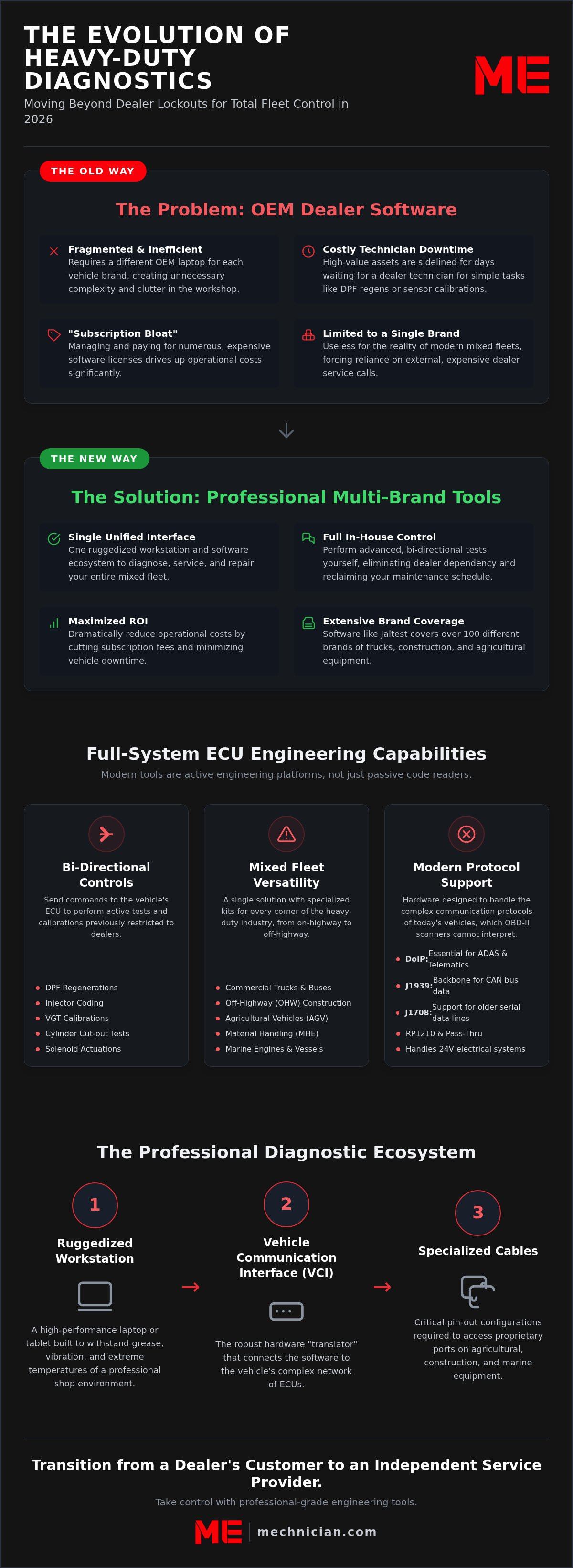
The most expensive tool in your shop isn't the lift or the alignment rack; it's the OEM software license that keeps you waiting three days for a dealer technician to arrive. You know the frustration of having a high-value asset sidelined because of a simple DPF regen or a sensor calibration that requires a proprietary unlock. Modern fleet management demands heavy duty diagnostic tools that prioritize engineering depth over brand loyalty. Carrying a dozen different OEM laptops is no longer a functional strategy for a mixed fleet in 2026. It creates unnecessary complexity and drives up operational costs through subscription bloat and technician downtime.

This guide will show you how to regain total control of your maintenance schedule by utilizing professional-grade engineering ecosystems that bypass dealer lockouts. We'll explore how the latest EPA "Freedom to Fix" guidance and FMCSA digital mandates are reshaping the industry's legal and technical landscape. You'll learn how to perform advanced tasks like injector coding and bi-directional testing in-house for trucks, tractors, and construction gear. We will break down the capabilities of the latest software releases, including Jaltest 26.1, to help you transition from being a dealer's customer to a fully independent service provider.

Key Takeaways

  • Learn how to transition from basic fault code reading to full-system ECU engineering using modern protocols like DoIP and J1939.
  • Discover how to perform critical bi-directional tests, such as DPF regenerations and injector coding, across more than 100 different brands.
  • Understand the operational efficiency of replacing multiple OEM laptops with a single, unified software interface for your entire mixed fleet.
  • Identify the specialized heavy duty diagnostic tools required for off-highway construction, agricultural machinery, and material handling equipment.
  • Explore how expert technical support and remote diagnostic assistance can eliminate the need for expensive dealer service calls.

What Defines a Professional Heavy Duty Diagnostic Tool in 2026?

The definition of a professional diagnostic interface has shifted significantly from the simple code-reading devices of the past decade. In 2026, heavy duty diagnostic tools are no longer just passive listeners; they've become active engineering platforms. A technician's ability to maintain a fleet now relies on full-system ECU engineering, which allows for deep-level parameter changes and component calibrations that were previously restricted to factory technicians. This evolution is driven by the increasing complexity of vehicle architectures, where a single fault in a secondary subsystem can trigger a derate or total vehicle shutdown.

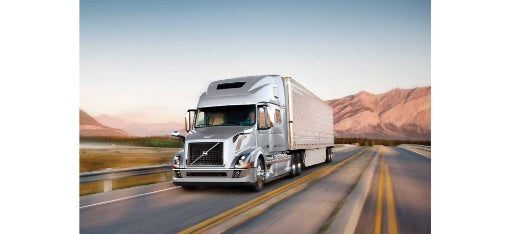
Modern diagnostics rely on a sophisticated hierarchy of communication protocols. While J1939 remains the backbone for CAN bus communication in most heavy vehicles and J1708 supports older serial data lines, the industry has seen a massive surge in Diagnostics over IP (DoIP). This Ethernet-based protocol is essential for handling the high bandwidth required by modern Advanced Driver Assistance Systems (ADAS) and complex telematics units. Standard consumer-grade OBD-II scanners simply lack the hardware architecture to interpret these heavy-duty protocols or handle the 24V electrical systems found in Class 8 trucks and Tier 4 Final engines. Attempting to use a generic tool on a modern Cummins or Volvo engine often results in incomplete data or, worse, communication errors that can lock an ECU.

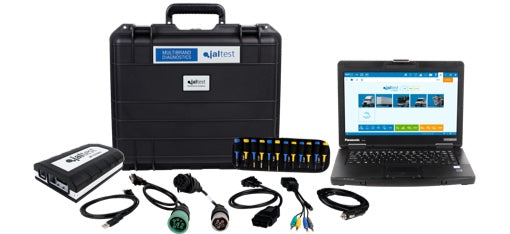
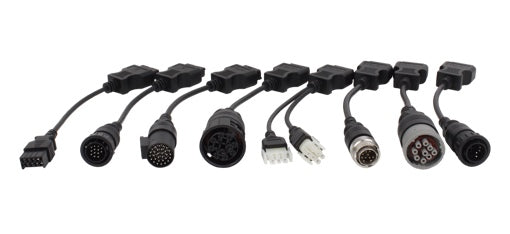
A professional kit is built as a cohesive ecosystem. It consists of a high-performance Vehicle Communication Interface (VCI) that acts as the translator between the machine and the software, a ruggedized workstation, and a comprehensive set of specialized cables. These cables are critical; they aren't just adapters but specific pin-out configurations required to access the proprietary ports found on agricultural machinery, cranes, and marine engines.

The Evolution of On-Board Diagnostics (OBD) in Industry

The transition from mechanical engines to complex Electronic Control Units (ECUs) was accelerated by increasingly stringent emissions standards. Regulations like EPA 2024 and Euro 6 have made advanced diagnostic access a necessity rather than a luxury. Without the ability to trigger a DPF regeneration or monitor SCR efficiency in real-time, a shop cannot legally or practically maintain a modern fleet. Heavy-duty diagnostics today function as a gateway into a complex, interconnected sensor network that governs every aspect of vehicle performance and safety.

Hardware vs. Software: Where the Real Value Lies

While the software provides the intelligence, the hardware provides the reliability. Using a ruggedized diagnostic laptop is a deliberate choice for professionals who work in environments filled with grease, vibration, and extreme temperatures. Standard consumer tablets often fail during long diagnostic sessions or lose connection during critical ECU flashing procedures. The real value of professional heavy duty diagnostic tools lies in their bi-directional capabilities. Unlike generic scanners that only read data, these tools can send commands back to the vehicle. This allows technicians to perform cylinder cut-out tests, actuate solenoids, and calibrate variable geometry turbochargers (VGT) without needing a dealer's intervention.

Deep Dive into Jaltest Software: More Than Just Fault Codes

Identifying a fault code is only the first step in a professional repair process. High-end heavy duty diagnostic tools like Jaltest distinguish themselves by providing the engineering data required to resolve the issue rather than just reporting it. While generic scanners leave technicians searching for external service manuals, this software integrates technical data directly into the diagnostic session. It covers over 100 brands through a single interface, which effectively eliminates the need for maintaining separate OEM software subscriptions for a mixed fleet.

The software's depth includes bi-directional controls that allow for active testing of components. Technicians can perform cylinder cut-out tests to isolate misfires or initiate a forced DPF regeneration to clear emissions-related derates. Access to Variable Geometry Turbocharger (VGT) calibrations ensures that replacement parts are synced correctly with the ECU. Because manufacturers release new ECU profiles and emissions maps frequently, regular updates are vital. The latest software releases, such as version 26.1, ensure compatibility with the newest vehicle models and regulatory changes through the latter half of 2026.

Interactive Wiring Diagrams and System Troubleshooting

Tracing an electrical fault often consumes more time than the actual mechanical repair. Jaltest addresses this with interactive wiring diagrams that allow technicians to click on a component to see its live data, physical location, and pin-out details. This "troubleshooting by symptom" approach guides junior technicians through a logical diagnostic path, ensuring they verify the root cause before replacing expensive sensors. It effectively prevents the "parts-cannon" approach, saving the fleet significant capital on unnecessary component replacements.

Calibrations and Parameter Adjustments

Modern fleet safety depends on precisely calibrated systems. The software handles critical calibrations for ADAS, Bendix or Wabco braking systems, and automated transmissions. Beyond repairs, it allows for parameter adjustments such as idle shutdown timers and maximum speed limits to improve overall fuel economy. Bi-directional control is the gatekeeper to true independent repair, as it allows a shop to finalize complex procedures without a dealer's digital key. If you're looking to upgrade your shop's capabilities, exploring a comprehensive diagnostic kit can provide the necessary autonomy for your maintenance team.

Comparing Multi-Brand Tools vs. OEM Dealer Software

Managing a mixed fleet with only OEM software is a logistical burden that many shops accept as an unavoidable cost of doing business. However, the hidden expenses of this approach extend far beyond the initial purchase price. Each manufacturer requires a dedicated laptop, specific proprietary cables, and a unique annual subscription. This creates a fragmented environment where IT maintenance and hardware clutter consume valuable shop space and technician time. Professional heavy duty diagnostic tools solve this fragmentation by providing a single interface for all brands.

Training a technician to be proficient in five different OEM software packages is a significant investment that carries a high risk of error. When the interface remains consistent across Volvo, Cummins, and Detroit Diesel, the learning curve flattens, and bay throughput increases. The ability to use a unified search function for fault codes across different engine manufacturers allows for faster triage and more accurate job quoting. This efficiency is critical for maintaining high uptime in competitive logistics environments.

The common myth that only a dealer can perform "real" engineering work is rapidly dissolving. While deep-level module programming or total ECU flashing occasionally requires factory-level access, professional multi-brand tools now cover approximately 95% of daily shop needs. From maintenance resets to complex engine work and aftertreatment troubleshooting, the gap between multi-brand and OEM has narrowed significantly. When calculating ROI, consider how many dealer service calls and associated towing fees it takes to offset the cost of a Jaltest CV Kit. For most fleets, the independence gained by performing these tasks in-house pays for the equipment within the first few months of operation.

Consolidating the Diagnostic Bench

A streamlined workspace is a more productive workspace. By reducing hardware clutter to a single ruggedized laptop, you simplify your IT infrastructure and ensure that your diagnostic equipment is always ready for use. Independent shops that have transitioned to this model report a significant reclamation of lost revenue. Some have seen as much as a 40% increase in billable hours by performing calibrations in-house rather than outsourcing them to external vendors. This shift allows the shop to maintain full control over the repair timeline.

When is OEM Still Necessary?

It's practical to acknowledge the edge cases where dealer tools remain the final word. These are typically limited to deep-level module flashing or specific warranty-related software updates. However, using heavy duty diagnostic tools as your primary diagnostic line is a strategic move. This approach ensures that your most expensive resources are only used for the 5% of tasks that truly require them, while the rest of your fleet stays moving through your own bays. This tiered strategy maximizes both capability and cost-efficiency.
Heavy duty diagnostic tools

Industry-Specific Solutions: OHW, AGV, and MHE Kits

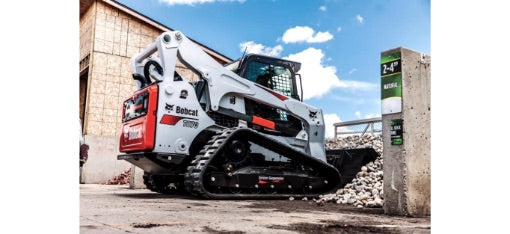
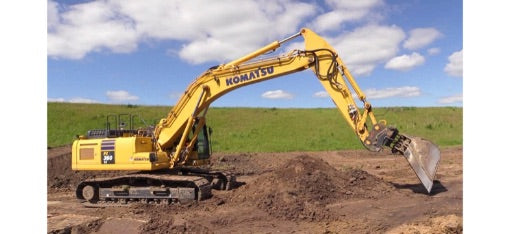
While on-highway trucks dominate much of the diagnostic conversation, the true test of heavy duty diagnostic tools occurs in the field, on the farm, and at the docks. Specialized sectors like Off-Highway (OHW), Agriculture (AGV), and Material Handling (MHE) operate under unique mechanical and environmental constraints. Equipment in these industries, such as a 50-ton excavator or a marine vessel, cannot be easily transported to a dealership. This makes on-site diagnostic capability a fundamental requirement for maintaining operational stability and avoiding the massive logistical costs of moving disabled machinery.

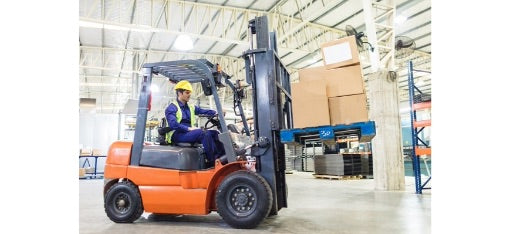
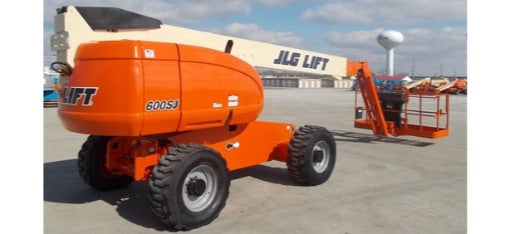
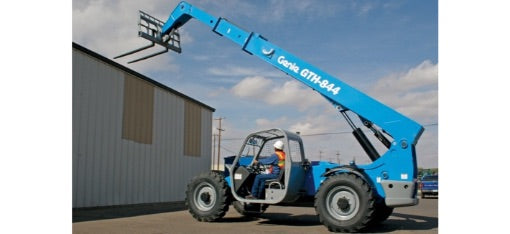
Material handling equipment (MHE) presents its own set of challenges. Troubleshooting forklifts, telehandlers, and lift platforms requires access to specialized controllers for electric powertrains and hydraulic safety interlocks. Similarly, the marine sector requires a distinct diagnostic approach. Marine engines operate in highly corrosive environments, which necessitates the use of specialized water-resistant connectors and software that can interpret cooling system data and hull-specific sensors. Having a unified platform that covers these diverse sectors allows a multi-service shop to expand its revenue streams without investing in dozens of niche tools.

The Construction and Off-Highway Challenge

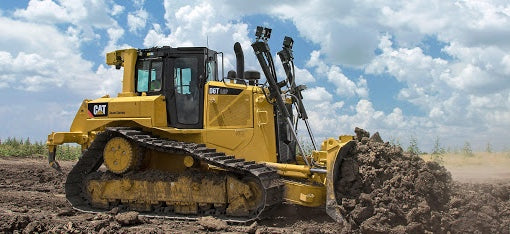
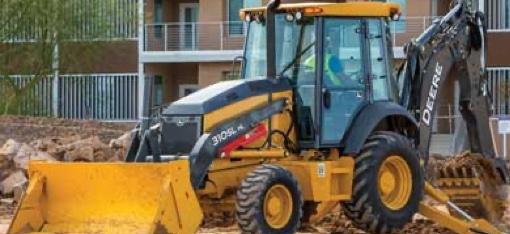
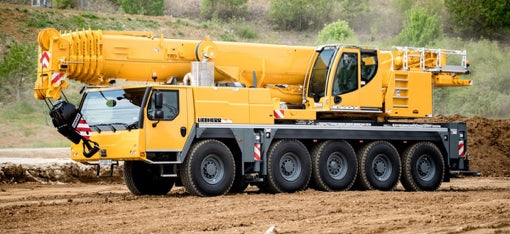
Heavy yellow iron from manufacturers like Caterpillar, Komatsu, and John Deere Construction relies on proprietary hydraulic systems and specialized transmission controllers. When a loader or crane enters a derate mode on a remote job site, the downtime costs can be catastrophic for a project's timeline. The Jaltest OHW Kit is engineered specifically for field technicians who need to perform deep-level diagnostics where the machine sits. It allows for the calibration of hydraulic valves and the troubleshooting of complex powertrain faults without waiting for a dealer's field service truck to arrive. For those managing diverse fleets, investing in a professional Jaltest OHW Kit is the most direct path to site autonomy.

Precision Agriculture and Modern AGV Diagnostics

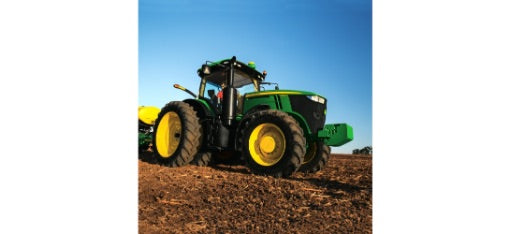
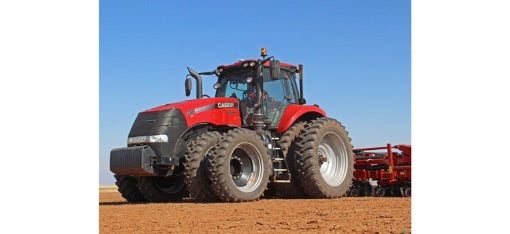
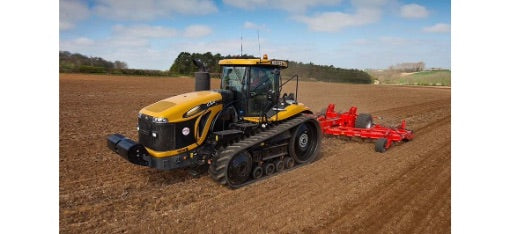
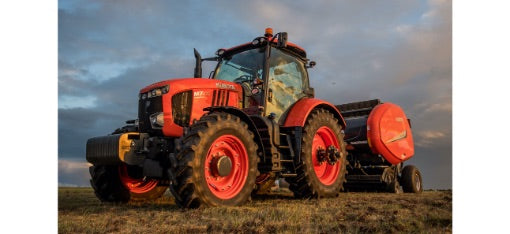
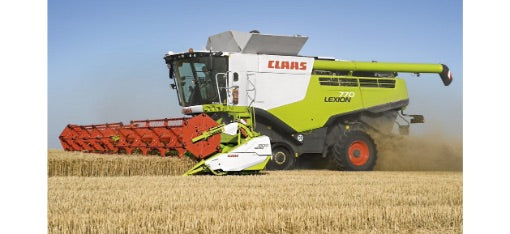
Modern tractors and harvesters have evolved into sophisticated mobile data centers. Brands like Case IH, Fendt, and New Holland utilize ISOBUS protocols and complex GPS-integrated systems to manage precision farming tasks. Diagnosing these machines requires more than just engine access; it requires the ability to perform PTO calibrations and hitch adjustments in the middle of a field. The seasonal urgency of the agricultural sector means that a breakdown during a harvest window is a critical emergency. Heavy duty diagnostic tools designed for AGV applications allow technicians to minimize this downtime by identifying sensor failures or software glitches immediately, ensuring the equipment stays in the field when it's needed most.

Maximizing ROI: Support, Training, and the Mechnician Advantage

Acquiring professional heavy duty diagnostic tools represents a significant capital investment, but the hardware itself is only 50% of the solution. True return on investment is realized when your technicians can utilize the full depth of the software without hesitation. In an industry where a single day of downtime can cost thousands in lost revenue, the ability to resolve complex faults quickly is what separates a profitable shop from one that remains dependent on dealer schedules. Maximizing this ROI requires a combination of real-time technical assistance and structured professional development.

The complexity of 2026 vehicle architectures means that even the most experienced lead technicians will eventually encounter intermittent electrical ghosts or undocumented ECU behaviors. This is where the engineering ecosystem becomes vital. By treating your diagnostic setup as a professional service rather than a one-time purchase, you ensure that your shop has the resilience to handle any make or model that enters the bay. This focus on long-term stability is what transforms a repair facility into a high-efficiency maintenance hub.

The Role of Remote Technical Support

Real-time assistance is the most effective way to prevent misdiagnosis and the unnecessary replacement of expensive sensors. Through remote diagnostic capabilities, Mechnician specialists can log directly into your workstation to view live data streams and sensor readings alongside your technician. This "expert in the passenger seat" approach provides a second set of eyes for complex electrical troubleshooting, ensuring that the root cause is identified before any parts are ordered. It significantly reduces the stress on your team and prevents the technician burnout that often leads to high turnover in the heavy-duty sector.

Continuous Learning and Technical Training

The bridge between a traditional mechanic and a modern "mechnician" is built through continuous education. Structured programs like Jaltest University offer a curriculum that covers everything from basic hydraulics to advanced ECU coding and ADAS calibration. This training is essential for maintaining shop competency as new emissions profiles and electronic control systems enter the market. Annual software license renewals are critical here; they don't just provide software updates but ensure your team has access to the latest technical bulletins and interactive wiring diagrams.

Investing in advanced technology also serves as a powerful recruitment tool. Top-tier technicians are drawn to shops that provide the best heavy duty diagnostic tools and the support systems required to use them effectively. When you empower your team with these resources, you're making a conscious decision to prioritize future stability over short-term savings. Empower your technicians with a Jaltest kit and professional support today to ensure your shop remains a leader in independent fleet maintenance.

Securing Your Fleet's Operational Future

The landscape of fleet maintenance in 2026 has moved beyond the era of simple mechanical adjustments. True operational stability now depends on your team's ability to navigate complex electronic architectures and bypass restrictive dealer lockouts. By integrating professional heavy duty diagnostic tools into your shop, you transition from a reactive service model to a proactive engineering environment. This shift allows you to handle everything from Class 8 trucks to specialized agricultural machinery with a single, unified interface, effectively eliminating the need for a dozen different OEM laptops.

Success in this high-tech sector isn't just about owning the right hardware; it's about having a reliable support system behind you. As an authorized Jaltest dealer, we provide the expert remote diagnostic support and specialized training needed to bridge the skills gap in your team. We also offer financing for all kits to ensure that advanced technology remains accessible for growing independent shops. Taking control of your diagnostic capabilities is a strategic decision to protect your long-term autonomy and ensure your assets stay in the field where they belong.

View our range of Jaltest Diagnostic Kits and reclaim your independence. Your shop already has the expertise; we provide the digital keys to unlock its full potential.

Frequently Asked Questions

Can a heavy-duty diagnostic tool perform DPF regenerations on all truck brands?

Professional multi-brand tools like Jaltest are engineered to perform forced DPF regenerations across all major truck manufacturers, including Freightliner, Kenworth, Peterbilt, and Volvo. The software communicates directly with the engine control module to initiate the burn process once all safety parameters are met. This capability is a fundamental requirement for resolving emissions-related derates and maintaining fleet uptime without relying on dealer service centers.

What is the difference between an OBD scanner and a bi-directional diagnostic tool?

A standard OBD scanner is a passive device that primarily reads and clears fault codes. In contrast, heavy duty diagnostic tools with bi-directional capability can send commands back to the vehicle's ECU. This allows you to actuate specific components, such as cycling a fan clutch or performing a cylinder cutout test. This active interaction is necessary for pinpointing mechanical failures and finalizing complex repairs.

Do I need a separate tool for my tractors and my semi-trucks?

You don't need separate hardware, but you do require the specific software modules for each sector. While the Vehicle Communication Interface (VCI) is often universal, tractors require the AGV module, while semi-trucks utilize the CV module. You can bundle these modules onto a single ruggedized laptop, allowing your technicians to service a mixed fleet of agricultural machinery and commercial vehicles using one unified system.

Is Jaltest software compatible with any laptop, or do I need a ruggedized one?

Jaltest software runs on standard Windows platforms, but using a ruggedized diagnostic laptop is the professional standard for shop and field environments. These devices are built to survive drops, vibrations, and exposure to shop fluids that would quickly destroy a consumer-grade laptop. Choosing ruggedized hardware ensures your diagnostic capabilities aren't sidelined by a broken screen or a failed hard drive during a critical repair.

What happens if my annual software license expires?

When an annual license expires, you'll lose access to the latest vehicle coverage, technical data updates, and interactive wiring diagrams. While some basic functions might remains accessible depending on your specific kit, the tool's effectiveness decreases as new ECU profiles are released. Maintaining an active license is critical for staying compliant with 2026 emissions regulations and ensuring your shop can service the newest models entering the market.

Can I use these tools to adjust the top speed or idle time of my fleet vehicles?

Professional engineering tools allow you to modify vehicle parameters such as maximum road speed and idle shutdown timers. These adjustments are essential for fleet managers looking to optimize fuel efficiency and enforce safety policies across their entire operation. Performing these parameter changes in-house saves significant time and money by eliminating the need for a dealer technician to perform a simple software adjustment.

Does the tool include wiring diagrams and component locations?

High-end software includes integrated technical data that provides interactive wiring diagrams and precise component locations. This information is linked directly to the fault codes you are currently diagnosing, which helps your team trace electrical issues with surgical precision. Having this data at your fingertips prevents technicians from having to search through external service manuals, which directly increases your shop's bay throughput and efficiency.

How does remote technical support work for heavy equipment in the field?

Remote support allows a specialist to log into your heavy duty diagnostic tools through an internet connection while you are standing at the machine. They can view live sensor data and guide you through complex troubleshooting steps in real-time. This service effectively provides an expert second opinion for difficult electrical faults, helping you resolve issues on-site and avoiding the logistical nightmare of towing disabled heavy machinery.

Laissez un commentaire

Veuillez noter que les commentaires doivent être approvés avant d'être affichés

Ce site est protégé par hCaptcha, et la Politique de confidentialité et les Conditions de service de hCaptcha s’appliquent.


Heavy Duty Diagnostic Tools: The 2026 Professional Guide to Fleet Maintenance

Heavy Duty Diagnostic Tools: The 2026 Professional Guide to Fleet Maintenance

The most expensive tool in your shop isn't the lift or the alignment rack; it's the OEM software license that keeps you waiting three days for a dealer technician to arrive. You know the frustration of having a high-value asset sidelined because of a simple DPF regen or a sensor calibration that requires a proprietary unlock. Modern fleet management demands heavy duty diagnostic tools that prioritize engineering depth over brand loyalty. Carrying a dozen different OEM laptops is no longer a functional strategy for a mixed fleet in 2026. It creates unnecessary complexity and drives up operational costs through subscription bloat and technician downtime.

This guide will show you how to regain total control of your maintenance schedule by utilizing professional-grade engineering ecosystems that bypass dealer lockouts. We'll explore how the latest EPA "Freedom to Fix" guidance and FMCSA digital mandates are reshaping the industry's legal and technical landscape. You'll learn how to perform advanced tasks like injector coding and bi-directional testing in-house for trucks, tractors, and construction gear. We will break down the capabilities of the latest software releases, including Jaltest 26.1, to help you transition from being a dealer's customer to a fully independent service provider.

Key Takeaways

  • Learn how to transition from basic fault code reading to full-system ECU engineering using modern protocols like DoIP and J1939.
  • Discover how to perform critical bi-directional tests, such as DPF regenerations and injector coding, across more than 100 different brands.
  • Understand the operational efficiency of replacing multiple OEM laptops with a single, unified software interface for your entire mixed fleet.
  • Identify the specialized heavy duty diagnostic tools required for off-highway construction, agricultural machinery, and material handling equipment.
  • Explore how expert technical support and remote diagnostic assistance can eliminate the need for expensive dealer service calls.

What Defines a Professional Heavy Duty Diagnostic Tool in 2026?

The definition of a professional diagnostic interface has shifted significantly from the simple code-reading devices of the past decade. In 2026, heavy duty diagnostic tools are no longer just passive listeners; they've become active engineering platforms. A technician's ability to maintain a fleet now relies on full-system ECU engineering, which allows for deep-level parameter changes and component calibrations that were previously restricted to factory technicians. This evolution is driven by the increasing complexity of vehicle architectures, where a single fault in a secondary subsystem can trigger a derate or total vehicle shutdown.

Modern diagnostics rely on a sophisticated hierarchy of communication protocols. While J1939 remains the backbone for CAN bus communication in most heavy vehicles and J1708 supports older serial data lines, the industry has seen a massive surge in Diagnostics over IP (DoIP). This Ethernet-based protocol is essential for handling the high bandwidth required by modern Advanced Driver Assistance Systems (ADAS) and complex telematics units. Standard consumer-grade OBD-II scanners simply lack the hardware architecture to interpret these heavy-duty protocols or handle the 24V electrical systems found in Class 8 trucks and Tier 4 Final engines. Attempting to use a generic tool on a modern Cummins or Volvo engine often results in incomplete data or, worse, communication errors that can lock an ECU.

A professional kit is built as a cohesive ecosystem. It consists of a high-performance Vehicle Communication Interface (VCI) that acts as the translator between the machine and the software, a ruggedized workstation, and a comprehensive set of specialized cables. These cables are critical; they aren't just adapters but specific pin-out configurations required to access the proprietary ports found on agricultural machinery, cranes, and marine engines.

The Evolution of On-Board Diagnostics (OBD) in Industry

The transition from mechanical engines to complex Electronic Control Units (ECUs) was accelerated by increasingly stringent emissions standards. Regulations like EPA 2024 and Euro 6 have made advanced diagnostic access a necessity rather than a luxury. Without the ability to trigger a DPF regeneration or monitor SCR efficiency in real-time, a shop cannot legally or practically maintain a modern fleet. Heavy-duty diagnostics today function as a gateway into a complex, interconnected sensor network that governs every aspect of vehicle performance and safety.

Hardware vs. Software: Where the Real Value Lies

While the software provides the intelligence, the hardware provides the reliability. Using a ruggedized diagnostic laptop is a deliberate choice for professionals who work in environments filled with grease, vibration, and extreme temperatures. Standard consumer tablets often fail during long diagnostic sessions or lose connection during critical ECU flashing procedures. The real value of professional heavy duty diagnostic tools lies in their bi-directional capabilities. Unlike generic scanners that only read data, these tools can send commands back to the vehicle. This allows technicians to perform cylinder cut-out tests, actuate solenoids, and calibrate variable geometry turbochargers (VGT) without needing a dealer's intervention.

Deep Dive into Jaltest Software: More Than Just Fault Codes

Identifying a fault code is only the first step in a professional repair process. High-end heavy duty diagnostic tools like Jaltest distinguish themselves by providing the engineering data required to resolve the issue rather than just reporting it. While generic scanners leave technicians searching for external service manuals, this software integrates technical data directly into the diagnostic session. It covers over 100 brands through a single interface, which effectively eliminates the need for maintaining separate OEM software subscriptions for a mixed fleet.

The software's depth includes bi-directional controls that allow for active testing of components. Technicians can perform cylinder cut-out tests to isolate misfires or initiate a forced DPF regeneration to clear emissions-related derates. Access to Variable Geometry Turbocharger (VGT) calibrations ensures that replacement parts are synced correctly with the ECU. Because manufacturers release new ECU profiles and emissions maps frequently, regular updates are vital. The latest software releases, such as version 26.1, ensure compatibility with the newest vehicle models and regulatory changes through the latter half of 2026.

Interactive Wiring Diagrams and System Troubleshooting

Tracing an electrical fault often consumes more time than the actual mechanical repair. Jaltest addresses this with interactive wiring diagrams that allow technicians to click on a component to see its live data, physical location, and pin-out details. This "troubleshooting by symptom" approach guides junior technicians through a logical diagnostic path, ensuring they verify the root cause before replacing expensive sensors. It effectively prevents the "parts-cannon" approach, saving the fleet significant capital on unnecessary component replacements.

Calibrations and Parameter Adjustments

Modern fleet safety depends on precisely calibrated systems. The software handles critical calibrations for ADAS, Bendix or Wabco braking systems, and automated transmissions. Beyond repairs, it allows for parameter adjustments such as idle shutdown timers and maximum speed limits to improve overall fuel economy. Bi-directional control is the gatekeeper to true independent repair, as it allows a shop to finalize complex procedures without a dealer's digital key. If you're looking to upgrade your shop's capabilities, exploring a comprehensive diagnostic kit can provide the necessary autonomy for your maintenance team.

Comparing Multi-Brand Tools vs. OEM Dealer Software

Managing a mixed fleet with only OEM software is a logistical burden that many shops accept as an unavoidable cost of doing business. However, the hidden expenses of this approach extend far beyond the initial purchase price. Each manufacturer requires a dedicated laptop, specific proprietary cables, and a unique annual subscription. This creates a fragmented environment where IT maintenance and hardware clutter consume valuable shop space and technician time. Professional heavy duty diagnostic tools solve this fragmentation by providing a single interface for all brands.

Training a technician to be proficient in five different OEM software packages is a significant investment that carries a high risk of error. When the interface remains consistent across Volvo, Cummins, and Detroit Diesel, the learning curve flattens, and bay throughput increases. The ability to use a unified search function for fault codes across different engine manufacturers allows for faster triage and more accurate job quoting. This efficiency is critical for maintaining high uptime in competitive logistics environments.

The common myth that only a dealer can perform "real" engineering work is rapidly dissolving. While deep-level module programming or total ECU flashing occasionally requires factory-level access, professional multi-brand tools now cover approximately 95% of daily shop needs. From maintenance resets to complex engine work and aftertreatment troubleshooting, the gap between multi-brand and OEM has narrowed significantly. When calculating ROI, consider how many dealer service calls and associated towing fees it takes to offset the cost of a Jaltest CV Kit. For most fleets, the independence gained by performing these tasks in-house pays for the equipment within the first few months of operation.

Consolidating the Diagnostic Bench

A streamlined workspace is a more productive workspace. By reducing hardware clutter to a single ruggedized laptop, you simplify your IT infrastructure and ensure that your diagnostic equipment is always ready for use. Independent shops that have transitioned to this model report a significant reclamation of lost revenue. Some have seen as much as a 40% increase in billable hours by performing calibrations in-house rather than outsourcing them to external vendors. This shift allows the shop to maintain full control over the repair timeline.

When is OEM Still Necessary?

It's practical to acknowledge the edge cases where dealer tools remain the final word. These are typically limited to deep-level module flashing or specific warranty-related software updates. However, using heavy duty diagnostic tools as your primary diagnostic line is a strategic move. This approach ensures that your most expensive resources are only used for the 5% of tasks that truly require them, while the rest of your fleet stays moving through your own bays. This tiered strategy maximizes both capability and cost-efficiency.

Heavy duty diagnostic tools

Industry-Specific Solutions: OHW, AGV, and MHE Kits

While on-highway trucks dominate much of the diagnostic conversation, the true test of heavy duty diagnostic tools occurs in the field, on the farm, and at the docks. Specialized sectors like Off-Highway (OHW), Agriculture (AGV), and Material Handling (MHE) operate under unique mechanical and environmental constraints. Equipment in these industries, such as a 50-ton excavator or a marine vessel, cannot be easily transported to a dealership. This makes on-site diagnostic capability a fundamental requirement for maintaining operational stability and avoiding the massive logistical costs of moving disabled machinery.

Material handling equipment (MHE) presents its own set of challenges. Troubleshooting forklifts, telehandlers, and lift platforms requires access to specialized controllers for electric powertrains and hydraulic safety interlocks. Similarly, the marine sector requires a distinct diagnostic approach. Marine engines operate in highly corrosive environments, which necessitates the use of specialized water-resistant connectors and software that can interpret cooling system data and hull-specific sensors. Having a unified platform that covers these diverse sectors allows a multi-service shop to expand its revenue streams without investing in dozens of niche tools.

The Construction and Off-Highway Challenge

Heavy yellow iron from manufacturers like Caterpillar, Komatsu, and John Deere Construction relies on proprietary hydraulic systems and specialized transmission controllers. When a loader or crane enters a derate mode on a remote job site, the downtime costs can be catastrophic for a project's timeline. The Jaltest OHW Kit is engineered specifically for field technicians who need to perform deep-level diagnostics where the machine sits. It allows for the calibration of hydraulic valves and the troubleshooting of complex powertrain faults without waiting for a dealer's field service truck to arrive. For those managing diverse fleets, investing in a professional Jaltest OHW Kit is the most direct path to site autonomy.

Precision Agriculture and Modern AGV Diagnostics

Modern tractors and harvesters have evolved into sophisticated mobile data centers. Brands like Case IH, Fendt, and New Holland utilize ISOBUS protocols and complex GPS-integrated systems to manage precision farming tasks. Diagnosing these machines requires more than just engine access; it requires the ability to perform PTO calibrations and hitch adjustments in the middle of a field. The seasonal urgency of the agricultural sector means that a breakdown during a harvest window is a critical emergency. Heavy duty diagnostic tools designed for AGV applications allow technicians to minimize this downtime by identifying sensor failures or software glitches immediately, ensuring the equipment stays in the field when it's needed most.

Maximizing ROI: Support, Training, and the Mechnician Advantage

Acquiring professional heavy duty diagnostic tools represents a significant capital investment, but the hardware itself is only 50% of the solution. True return on investment is realized when your technicians can utilize the full depth of the software without hesitation. In an industry where a single day of downtime can cost thousands in lost revenue, the ability to resolve complex faults quickly is what separates a profitable shop from one that remains dependent on dealer schedules. Maximizing this ROI requires a combination of real-time technical assistance and structured professional development.

The complexity of 2026 vehicle architectures means that even the most experienced lead technicians will eventually encounter intermittent electrical ghosts or undocumented ECU behaviors. This is where the engineering ecosystem becomes vital. By treating your diagnostic setup as a professional service rather than a one-time purchase, you ensure that your shop has the resilience to handle any make or model that enters the bay. This focus on long-term stability is what transforms a repair facility into a high-efficiency maintenance hub.

The Role of Remote Technical Support

Real-time assistance is the most effective way to prevent misdiagnosis and the unnecessary replacement of expensive sensors. Through remote diagnostic capabilities, Mechnician specialists can log directly into your workstation to view live data streams and sensor readings alongside your technician. This "expert in the passenger seat" approach provides a second set of eyes for complex electrical troubleshooting, ensuring that the root cause is identified before any parts are ordered. It significantly reduces the stress on your team and prevents the technician burnout that often leads to high turnover in the heavy-duty sector.

Continuous Learning and Technical Training

The bridge between a traditional mechanic and a modern "mechnician" is built through continuous education. Structured programs like Jaltest University offer a curriculum that covers everything from basic hydraulics to advanced ECU coding and ADAS calibration. This training is essential for maintaining shop competency as new emissions profiles and electronic control systems enter the market. Annual software license renewals are critical here; they don't just provide software updates but ensure your team has access to the latest technical bulletins and interactive wiring diagrams.

Investing in advanced technology also serves as a powerful recruitment tool. Top-tier technicians are drawn to shops that provide the best heavy duty diagnostic tools and the support systems required to use them effectively. When you empower your team with these resources, you're making a conscious decision to prioritize future stability over short-term savings. Empower your technicians with a Jaltest kit and professional support today to ensure your shop remains a leader in independent fleet maintenance.

Securing Your Fleet's Operational Future

The landscape of fleet maintenance in 2026 has moved beyond the era of simple mechanical adjustments. True operational stability now depends on your team's ability to navigate complex electronic architectures and bypass restrictive dealer lockouts. By integrating professional heavy duty diagnostic tools into your shop, you transition from a reactive service model to a proactive engineering environment. This shift allows you to handle everything from Class 8 trucks to specialized agricultural machinery with a single, unified interface, effectively eliminating the need for a dozen different OEM laptops.

Success in this high-tech sector isn't just about owning the right hardware; it's about having a reliable support system behind you. As an authorized Jaltest dealer, we provide the expert remote diagnostic support and specialized training needed to bridge the skills gap in your team. We also offer financing for all kits to ensure that advanced technology remains accessible for growing independent shops. Taking control of your diagnostic capabilities is a strategic decision to protect your long-term autonomy and ensure your assets stay in the field where they belong.

View our range of Jaltest Diagnostic Kits and reclaim your independence. Your shop already has the expertise; we provide the digital keys to unlock its full potential.

Frequently Asked Questions

Can a heavy-duty diagnostic tool perform DPF regenerations on all truck brands?

Professional multi-brand tools like Jaltest are engineered to perform forced DPF regenerations across all major truck manufacturers, including Freightliner, Kenworth, Peterbilt, and Volvo. The software communicates directly with the engine control module to initiate the burn process once all safety parameters are met. This capability is a fundamental requirement for resolving emissions-related derates and maintaining fleet uptime without relying on dealer service centers.

What is the difference between an OBD scanner and a bi-directional diagnostic tool?

A standard OBD scanner is a passive device that primarily reads and clears fault codes. In contrast, heavy duty diagnostic tools with bi-directional capability can send commands back to the vehicle's ECU. This allows you to actuate specific components, such as cycling a fan clutch or performing a cylinder cutout test. This active interaction is necessary for pinpointing mechanical failures and finalizing complex repairs.

Do I need a separate tool for my tractors and my semi-trucks?

You don't need separate hardware, but you do require the specific software modules for each sector. While the Vehicle Communication Interface (VCI) is often universal, tractors require the AGV module, while semi-trucks utilize the CV module. You can bundle these modules onto a single ruggedized laptop, allowing your technicians to service a mixed fleet of agricultural machinery and commercial vehicles using one unified system.

Is Jaltest software compatible with any laptop, or do I need a ruggedized one?

Jaltest software runs on standard Windows platforms, but using a ruggedized diagnostic laptop is the professional standard for shop and field environments. These devices are built to survive drops, vibrations, and exposure to shop fluids that would quickly destroy a consumer-grade laptop. Choosing ruggedized hardware ensures your diagnostic capabilities aren't sidelined by a broken screen or a failed hard drive during a critical repair.

What happens if my annual software license expires?

When an annual license expires, you'll lose access to the latest vehicle coverage, technical data updates, and interactive wiring diagrams. While some basic functions might remains accessible depending on your specific kit, the tool's effectiveness decreases as new ECU profiles are released. Maintaining an active license is critical for staying compliant with 2026 emissions regulations and ensuring your shop can service the newest models entering the market.

Can I use these tools to adjust the top speed or idle time of my fleet vehicles?

Professional engineering tools allow you to modify vehicle parameters such as maximum road speed and idle shutdown timers. These adjustments are essential for fleet managers looking to optimize fuel efficiency and enforce safety policies across their entire operation. Performing these parameter changes in-house saves significant time and money by eliminating the need for a dealer technician to perform a simple software adjustment.

Does the tool include wiring diagrams and component locations?

High-end software includes integrated technical data that provides interactive wiring diagrams and precise component locations. This information is linked directly to the fault codes you are currently diagnosing, which helps your team trace electrical issues with surgical precision. Having this data at your fingertips prevents technicians from having to search through external service manuals, which directly increases your shop's bay throughput and efficiency.

How does remote technical support work for heavy equipment in the field?

Remote support allows a specialist to log into your heavy duty diagnostic tools through an internet connection while you are standing at the machine. They can view live sensor data and guide you through complex troubleshooting steps in real-time. This service effectively provides an expert second opinion for difficult electrical faults, helping you resolve issues on-site and avoiding the logistical nightmare of towing disabled heavy machinery.

Electronic Service Analyst Alternative: Moving Beyond OEM-Only Diagnostics in 2026

Electronic Service Analyst Alternative: Moving Beyond OEM-Only Diagnostics in 2026

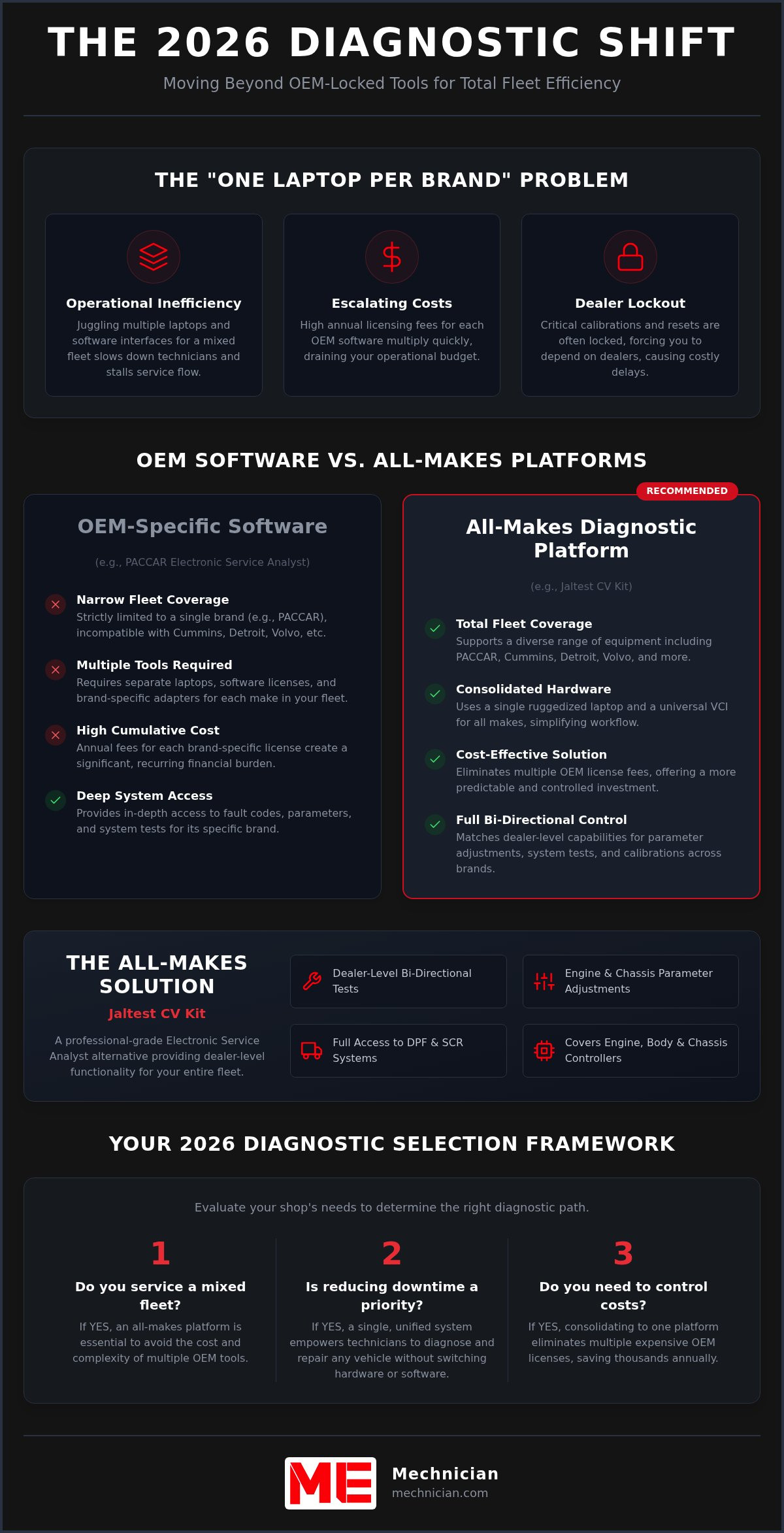
Maintaining a separate laptop for every OEM software isn't just a logistical headache; in 2026, it's an unnecessary drain on your fleet's operational efficiency. You've likely felt the frustration of being locked out of critical calibrations on a non-PACCAR engine or waiting days for a dealer-level software update while a truck sits idle. It's a common belief that proprietary tools are the only way to achieve deep-level bi-directional control, but recent shifts in Right to Repair legislation and diagnostic technology have changed the landscape. Finding a reliable electronic service analyst alternative is no longer about settling for less; it's about gaining the independence to service your entire mixed fleet without the burden of multiple expensive licenses.

In this guide, you'll discover how multi-brand diagnostic platforms provide the same dealer-level access you expect from Electronic Service Analyst while supporting a diverse range of equipment. We'll show you how to consolidate your diagnostic tools into a single, ruggedized laptop to perform complex calibrations independently. By moving beyond OEM-only restrictions, your shop can finally reduce downtime and eliminate the high costs associated with dealer-only repairs. This shift from brand-specific limitations to a unified diagnostic ecosystem ensures your operations remain stable, predictable, and fully under your control.

Key Takeaways

  • Learn why moving beyond PACCAR-specific software is essential for maintaining operational efficiency in a modern mixed-fleet environment.
  • Identify a professional-grade electronic service analyst alternative that provides dealer-level bi-directional tests and parameter adjustments across multiple engine brands.
  • Understand how to consolidate your diagnostic equipment into a single ruggedized laptop while maintaining full access to chassis and body controller systems.
  • Apply a 2026 selection framework to evaluate whether your shop requires the narrow depth of OEM software or the versatile coverage of an all-makes platform.
  • Discover how the Jaltest CV Kit eliminates the need for multiple expensive OEM licenses while ensuring your technicians have the technical support needed for complex repairs.

What is Electronic Service Analyst (ESA) and Why Seek an Alternative?

Electronic Service Analyst (ESA) is the specialized diagnostic software designed specifically for PACCAR vehicles, including Kenworth and Peterbilt models. Technicians use it as a bridge to communicate with various vehicle control modules. Version 5.7.0 remains the standard for these interactions. Most shops utilize it for critical tasks like clearing fault codes, adjusting engine parameters, and managing aftertreatment diagnostics for DPF and SCR systems. While effective for its specific niche, its proprietary nature often leads to the "Dealer Lockout" challenge. This occurs when a technician can diagnose a fault but cannot complete the final calibration or reset because the software lacks the necessary permissions for independent users. This forced dependency on dealerships creates significant delays and increases operational costs.

Transitioning to an electronic service analyst alternative has become a strategic move for shops aiming for diagnostic efficiency in 2026. By shifting toward all-makes platforms, businesses can bypass the limitations of brand-specific software while maintaining the high level of precision required for modern heavy-duty repairs.

The Limitations of OEM-Specific Software

Operating with OEM-only tools presents several hurdles for a growing shop. The most immediate issue is the high annual licensing fee required for each individual brand. These costs multiply quickly when you service a mixed fleet. Beyond the financial burden, ESA is entirely incompatible with other major engine brands like Cummins, Detroit Diesel, or Volvo. This means your shop must maintain multiple laptops and software subscriptions, each with its own unique interface. The steep learning curve for these different systems reduces technician productivity and slows down the overall service flow. It is an inefficient way to manage a modern repair facility.

Defining the Professional Multi-Brand Alternative

A true dealer-level alternative must provide more than basic code reading. It requires full bi-directional control, allowing technicians to send specific commands to the vehicle's ECUs. This includes performing cylinder cutouts, injector coding, and DPF regenerations. In 2026, the gap between OEM and all-makes software has narrowed due to new industry standards. For instance, the EPA guidance issued on July 1, 2026, reinforces the legal obligation for manufacturers to provide the same diagnostic information to independent shops as they do to dealerships. A professional electronic service analyst alternative leverages these standards and the Motor Vehicle Modernization Act of 2026 to offer a unified, ruggedized solution that covers the entire fleet with one interface.

Comparing OEM Software vs. All-Makes Diagnostic Platforms

Choosing between proprietary OEM software and a multi-brand platform requires an objective look at functional parity. While ESA provides deep access to PACCAR systems, a professional electronic service analyst alternative now matches these capabilities across fault code management, live data monitoring, and system testing. The primary difference lies in how these tools handle the hardware interface. OEM software often mandates brand-specific adapters, whereas all-makes platforms utilize a universal Vehicle Communication Interface (VCI). This hardware flexibility means your technicians don't need to swap cables or adapters when moving from a Peterbilt to a Freightliner, which preserves the physical integrity of your diagnostic ports over time.

Parameter programming is another area where the gap has closed significantly. Many shop owners worry that an alternative tool won't allow them to adjust idle shutdown timers or cruise control limits. Modern professional-grade platforms now support these adjustments for PACCAR engines, providing the same level of control as the dealer software. Because these all-makes tools receive frequent updates to stay current with new ECU releases, they often provide a more responsive user experience than legacy OEM programs. Investing in a Jaltest CV Kit allows your team to maintain this consistency across every bay in your shop.

Bi-Directional Capability and System Tests

The true measure of a diagnostic tool is its ability to perform bi-directional tests. An effective electronic service analyst alternative must execute cylinder cutouts and actuator tests with the same precision as the OEM tool. Forced DPF regenerations are a critical requirement for any independent shop; without this capability, you're forced to send trucks back to the dealer for simple emissions maintenance. High-quality alternative platforms also allow for sensor calibrations across various chassis modules, ensuring that the entire vehicle, not just the engine, is operating within safe parameters. This level of access is essential for maintaining long-term vehicle stability.

Operational Efficiency in the Shop

Consolidating your diagnostic tools into a single interface significantly reduces "laptop clutter." Instead of managing five different software licenses and their respective updates, your technicians work within one standardized environment. This standardization simplifies training; once a technician masters the interface, they can apply that knowledge to Cummins, Detroit Diesel, or Volvo engines without learning a new system. Unified fault code descriptions also improve diagnostic speed. By providing clear, actionable information in a consistent format, these tools help your team identify the root cause of a problem faster, which directly reduces vehicle downtime and improves shop throughput.

Deep Diagnostics: Beyond PACCAR to Total Fleet Coverage

Modern fleet management requires more than just engine-level visibility. While PACCAR’s proprietary software focuses heavily on the power plant, a true electronic service analyst alternative must address the entire vehicle architecture. This includes seamless support for Cummins, Detroit Diesel, and Volvo/Mack engines, ensuring that a single tool can handle any truck that enters the bay. Beyond the engine block, these platforms provide access to chassis and body controllers, which are often the source of complex electrical faults that brand-specific tools might overlook.

Communication protocols have evolved significantly over the last decade. Technicians now encounter J1939 and legacy J1708 alongside the rapid shift to CAN-FD in newer 2026 models. A professional-grade electronic service analyst alternative handles these protocols automatically. This all-systems approach ensures that transmission and ABS diagnostics are performed with the same depth as engine checks. It provides a holistic view of the vehicle, which is essential for maintaining safety and operational uptime across a diverse fleet. When you can see every module on the network at once, you eliminate the guesswork often associated with intermittent communication errors.

Aftertreatment and Emissions Support

Emissions systems remain a primary cause of unplanned downtime. A versatile diagnostic tool allows technicians to manage SCR and DEF system checks for various manufacturers without switching software. You can reset ash accumulators and soot levels independently after a filter cleaning or replacement. Troubleshooting NOx sensors and temperature probes becomes a standardized process, regardless of the truck's brand. This independence is vital for meeting strict emissions regulations, such as the CARB Clean Truck Check, without relying on dealer schedules.

The Role of Technical Data and Wiring Diagrams

Diagnostic efficiency isn't just about reading codes; it's about finding the solution. Integrating interactive wiring harnesses directly into the software allows technicians to trace circuits without leaving the laptop. You can access component locations and specific torque specifications instantly. This eliminates the need to search through external service manuals, which often contain outdated or generalized information. By having technical data and diagnostics in one place, your shop ensures that repairs are performed to precise engineering standards every time, reducing the risk of repeat failures.

Electronic service analyst alternative

Evaluating Your Next Diagnostic Investment: A 2026 Selection Framework

Selecting a diagnostic tool requires a structured approach that prioritizes long-term shop stability. First, assess your fleet composition. If your yard consists exclusively of Peterbilt or Kenworth units, the proprietary software might meet your needs. However, for the millions of Class 8 trucks currently operating in North America, most belong to mixed fleets that demand more versatility. Choosing an electronic service analyst alternative is a strategic decision to gain independence. You must verify that the tool supports the specific bi-directional tests and calibrations your technicians perform daily. A tool that only clears codes won't help when a VGT actuator requires precise calibration or an injector needs coding after a replacement.

The support ecosystem is just as critical as the software itself. A provider should offer more than a simple license key; they should act as an extension of your technical team. You also need to consider the physical hardware. Shop floors are unforgiving environments where dust, grease, and vibrations are constant. Investing in ruggedized diagnostic laptops ensures your equipment survives these daily rigors. These devices provide a stable platform for your software, preventing the hardware failures that often lead to expensive downtime during a critical repair.

Total Cost of Ownership (TCO) Analysis

A thorough TCO analysis looks beyond the initial purchase price. You should compare the one-time hardware fees and recurring annual license renewals against the high cost of outsourced dealer repairs. By performing advanced diagnostics in-house, you directly improve your return on investment. The value of included software updates is also significant, as it ensures your tool remains compatible with new 2026 vehicle releases without additional hidden costs. This proactive financial perspective turns a technical expense into a long-term asset for your business.

Training and Onboarding for Technicians

Standardizing on a single software platform simplifies the onboarding process for new hires. They don't have to waste time learning five different interfaces to work on a mixed fleet. Enrolling your team in professional training courses ensures they can leverage the full bi-directional depth of your electronic service analyst alternative. Modern virtual training options allow your staff to stay current with evolving technology without the need for travel. This commitment to technician expertise ensures that your diagnostic processes remain precise, reliable, and efficient.

Ready to optimize your shop's workflow? Explore our complete diagnostic solutions to find the right fit for your fleet.

The Jaltest CV Solution: A Professional-Grade ESA Alternative

The Jaltest CV Kit stands as the definitive electronic service analyst alternative for shops that demand dealer-level precision without OEM limitations. It provides the same bi-directional depth required for Kenworth and Peterbilt trucks while extending that capability to every other major brand in your fleet. This unified platform eliminates the need for multiple proprietary licenses, allowing your technicians to focus on the repair rather than managing software updates. By integrating diagnostics, technical data, and parts information into one interface, the Jaltest ecosystem empowers independent shops to perform complex calibrations and troubleshooting that were previously reserved for franchised dealerships.

Mechnician enhances this hardware and software solution by providing a layer of professional technical expertise that goes beyond the standard license. We understand that a tool is only as effective as the support behind it. Our approach integrates Jaltest technical support directly into your shop's workflow, ensuring that your operations maintain a high level of stability. This partnership allows you to handle advanced repairs with confidence, knowing that a specialized external unit is ready to assist when needed. Investing in advanced diagnostic technology is a strategic decision, and exploring modern acquisition options can help your shop stay current with 2026 industry standards without compromising cash flow.

Real-Time Troubleshooting with Remote Support

Mechnician technicians provide remote desktop assistance to help your team navigate complex repairs that go beyond standard automated routines. If a specific calibration proves difficult or a fault code requires deeper analysis, our experts can log in directly to your laptop. This direct line to diagnostic specialists provides the peace of mind necessary for maintaining a fast-paced shop environment. It ensures that no truck sits idle simply because of a software hurdle or a confusing diagnostic path. This proactive service model turns technical challenges into predictable, manageable processes.

Customized Bundles for Your Specific Needs

Every shop has different requirements based on their fleet composition and service volume. We provide Ruggedized Diagnostic Laptops pre-configured with the Jaltest software for immediate use on the shop floor. These bundles include Specialized Diagnostic Cables for PACCAR, Cummins, and other major manufacturers, ensuring you have the physical connection needed for any vehicle. Beyond commercial trucks, the Jaltest ecosystem can be expanded to include OHW (Off-Highway), MHE (Material Handling), and Marine applications. This scalability makes it a future-proof investment for businesses looking to grow their service capabilities while maintaining a single, unified diagnostic interface.

Future-Proofing Your Shop’s Diagnostic Capabilities

Transitioning to a unified diagnostic ecosystem is a conscious decision to prioritize long-term stability and shop efficiency. By adopting a professional electronic service analyst alternative, your facility gains the independence to perform dealer-level calibrations and bi-directional tests across every truck in the yard. This shift eliminates the logistical burden of multiple OEM licenses while ensuring your technicians have the technical data needed for precise repairs. You no longer have to wait for dealer schedules to complete simple resets or emissions maintenance.

As an Authorized Jaltest Dealer, Mechnician provides more than just software. We offer remote diagnostic specialist support to guide your team through complex troubleshooting and flexible business financing to make advanced technology accessible. Our goal is to serve as a reliable partner that integrates into your organization to ensure continuous, trouble-free operation. Explore the Jaltest CV Kit: The Ultimate Professional Alternative today and take full control of your fleet's maintenance schedule.

Frequently Asked Questions

Can an alternative to Electronic Service Analyst perform a forced DPF regen?

Yes, a professional-grade electronic service analyst alternative like the Jaltest CV Kit can perform forced DPF regenerations on PACCAR engines. This capability includes resetting soot levels and ash accumulators after a filter cleaning or replacement. These bi-directional functions ensure that independent shops can complete emissions-related maintenance without relying on dealer software, which directly reduces vehicle downtime and operational costs.

Will I lose my Kenworth/Peterbilt warranty if I use a multi-brand diagnostic tool?

No, using a multi-brand diagnostic tool for maintenance and troubleshooting does not void your vehicle's warranty. Federal regulations, including the Motor Vehicle Modernization Act of 2026, protect your right to use third-party tools for service. As long as the tool is used according to professional standards and doesn't cause physical damage to the electronic control units, your factory warranty remains intact.

Does the Jaltest CV Kit support parameter changes like road speed limits?

Yes, the Jaltest CV Kit allows technicians to adjust various engine parameters, including road speed limits and cruise control settings. These adjustments are critical for fleet managers who need to standardize performance and safety across a mixed fleet. This level of access ensures that you can manage your fleet's fuel efficiency and operational safety standards independently without scheduled dealer appointments.

What is the main difference between an OBD scanner and a professional diagnostic kit?

The primary difference lies in the depth of system access and bi-directional control. A basic OBD scanner typically only reads and clears generic engine codes. In contrast, a professional diagnostic kit provides dealer-level access to every module on the vehicle, including the transmission, ABS, and body controllers. It allows for complex calibrations, injector coding, and real-time system tests that a standard scanner cannot perform.

How often do I need to renew the software license for an alternative tool?

Professional diagnostic platforms generally require a Jaltest Software Annual License renewal to maintain access to the latest updates. These updates are essential for staying current with new ECU releases and the 2026 vehicle models entering the market. While the hardware remains yours, the annual subscription ensures your technical data and diagnostic capabilities remain precise and compatible with evolving truck technology.

Can I use my existing laptop for multi-brand diagnostic software?

Technically, you can install the software on a standard laptop if it meets the minimum system requirements. However, we strongly recommend using Ruggedized Diagnostic Laptops for a repair shop environment. These devices are specifically engineered to withstand the dust, vibrations, and accidental drops that occur in a heavy-duty bay, providing a much more stable platform for your diagnostic software than a consumer-grade laptop.

Does Mechnician provide training for the Jaltest diagnostic system?

Yes, Mechnician offers dedicated Jaltest training to ensure your technicians can leverage the full potential of the software. This training focuses on practical applications, such as performing advanced bi-directional tests and navigating technical wiring diagrams. Proper training reduces the learning curve for your team, allowing them to perform complex diagnostics more efficiently and accurately from the first day of use.

Is remote technical support included with the diagnostic hardware purchase?

Mechnician provides specialized Jaltest technical support to assist our partners with complex diagnostic challenges. This service includes remote desktop assistance, where our experts can connect to your diagnostic laptop to help troubleshoot difficult faults or interpret complex data. This direct line to technical expertise ensures your shop can maintain a steady workflow even when facing the most challenging electrical or mechanical issues.

Jaltest Telematics 26.2 est là : meilleure visibilité. Gestion de flotte plus intelligente

Jaltest Telematics 26.2 est là : meilleure visibilité. Gestion de flotte plus intelligente

Jaltest a publié la nouvelle mise à jour Jaltest Telematics 26.2, apportant de nouvelles fonctionnalités et des améliorations de performances qui facilitent la surveillance de l’état de la flotte, la planification de la maintenance et le maintien des véhicules sur la route.

Que vous gériez une petite flotte ou des centaines de véhicules mixtes, cette mise à jour vous offre une meilleure visibilité sur les performances des véhicules et aide à simplifier les opérations quotidiennes de la flotte.

Quelles sont les nouveautés de Jaltest Telematics 26.2 ?

La dernière version comprend plusieurs améliorations conçues pour aider les gestionnaires de flotte et les équipes de maintenance à travailler plus efficacement, notamment :
•    Amélioration de la surveillance de la flotte et de la visibilité des véhicules
•    Capacités de diagnostic à distance améliorées
•    Gestion plus intelligente de la maintenance préventive
•    Meilleurs rapports et analyses de flotte
•    Améliorations globales des performances et de la convivialité

Ensemble, ces mises à jour vous aident à repérer plus tôt les problèmes potentiels, à réduire les temps d’arrêt imprévus et à faire fonctionner votre flotte plus efficacement.

Pourquoi passer à Jaltest Telematics 26.2 ?

La mise à niveau vers la dernière version vous permet de :

  • Surveiller l’état des véhicules en temps réel
  • Améliorer la planification de la maintenance
  • Réduire les pannes inattendues
  • Augmenter la productivité de la flotte
  • Prendre des décisions plus avisées grâce à des données exploitables sur la flotte

Téléchargez le document avec toutes les dernières mises à jour et découvrez tout ce qui est inclus dans la version 26.2 !

Si vous utilisez déjà Jaltest Diagnostics, la mise à niveau vers la version 26.2 vous garantit l’accès à la couverture véhicule la plus récente, à des outils de diagnostic améliorés et aux dernières informations techniques.

Souhaitez-vous en savoir plus ou avez-vous besoin d’aide pour votre mise à jour ? Contactez l’équipe d’assistance Jaltest (1-800-975-1865) ou customersupport@jaltest.com et découvrez dès aujourd’hui nos kits d’outils Jaltest Diagnostics.

Pas encore membre de la famille Jaltest ?

Commencez avec une démo gratuite et constatez vous-même la différence !

 DEMANDER UNE VIDÉO DE DÉMONSTRATION PERSONNALISÉE     NOUS CONTACTER (888) 624-2240

Guide de dépannage du système DPF : diagnostics professionnels pour équipements lourds

Guide de dépannage du système DPF : diagnostics professionnels pour équipements lourds

Un filtre obstrué est rarement la cause première d’une baisse de puissance du moteur ; c’est presque toujours le symptôme final d’une défaillance mécanique en amont. Lorsque votre équipement passe en mode dégradé, le premier réflexe est de faire nettoyer le filtre, pourtant de nombreux opérateurs se retrouvent confrontés aux mêmes codes défaut seulement quelques semaines plus tard. Ce guide de dépannage du système DPF fournit le cadre technique nécessaire pour mettre fin à ce cycle. Avec des temps d’arrêt d’exploitation pouvant coûter jusqu’à $1,500 par jour en perte de revenus, se fier à des suppositions ou attendre un créneau chez un concessionnaire n’est plus une stratégie commerciale viable.

Vous comprenez probablement qu’il est essentiel de maintenir la conformité en matière d’émissions, d’autant plus que les sanctions civiles de l’EPA peuvent dépasser 45,268 $ par véhicule non conforme. Nous vous montrerons comment aller au-delà de la simple lecture des codes pour effectuer des diagnostics de niveau professionnel qui identifient précisément pourquoi un système est défaillant. En suivant cette approche systématique, vous gagnerez en autonomie pour résoudre les problèmes en interne, réduire les dépenses de maintenance et garantir que votre flotte reste opérationnelle sans dépendre constamment de services externes coûteux. Nous examinerons les données des capteurs, les protocoles de régénération forcée et les étapes de diagnostic spécifiques requises pour les machines lourdes.

Points clés

  • Identifiez la cause profonde des défaillances en examinant en amont des composants comme les refroidisseurs EGR et les injecteurs de carburant, au lieu de simplement traiter le filtre comme le problème principal.
  • Utilisez ce guide de dépannage du système DPF pour interpréter les données en direct de charge de suie et les relevés des capteurs de température afin d’obtenir des diagnostics sur le terrain plus précis.
  • Gagnez en autonomie face aux services après-vente des concessionnaires en maîtrisant les régénérations forcées et les réinitialisations du système à l’aide d’outils de diagnostic professionnels.
  • Surmontez les codes de défaut « Regen Inhibited » en vérifiant systématiquement les paramètres ECU spécifiques qui bloquent les cycles de nettoyage à haute température.
  • Transitionnez vers une maintenance proactive en alignant les intervalles d’entretien sur les heures moteur et en utilisant des huiles à faible teneur en SAPS afin de minimiser l’accumulation de particules.

Comprendre le système de filtre à particules diesel (DPF) en 2026

Le filtre à particules diesel (DPF) est un composant céramique à flux traversant les parois conçu pour capturer 90 % ou plus des particules, communément appelées suie, provenant des gaz d'échappement diesel. Il ne fonctionne pas de manière isolée. Il constitue plutôt une étape essentielle au sein du système de post-traitement (ATS) plus large. Pour comprendre son rôle, il faut le considérer aux côtés du catalyseur d'oxydation diesel (DOC), situé en amont pour oxyder le monoxyde de carbone, et du système de réduction catalytique sélective (SCR), qui suit le DPF pour réduire les oxydes d'azote. Cette chaîne intégrée garantit que les équipements lourds respectent les exigences environnementales modernes.

À mesure que nous avançons dans l’année 2026, l’environnement réglementaire est devenu nettement plus strict. Des programmes comme le « Clean Truck Check » et des inspections similaires au niveau des États signifient que même des défauts mineurs liés aux émissions peuvent entraîner de lourdes amendes ou une mise hors service forcée. Un DPF fonctionnel n’est plus une simple recommandation ; c’est une nécessité légale et opérationnelle. Lorsque le système détecte un problème, il déclenche généralement une série d’avertissements. Cela commence par des demandes fréquentes de régénération et finit par s’aggraver jusqu’à une réduction de la puissance du moteur ou au redouté « mode dégradé », dans lequel l’ECU limite la puissance du moteur afin d’éviter d’autres dommages ou des émissions excessives.

Les diagnostics efficaces exigent un changement de perspective. Vous ne devez pas considérer le filtre comme une pièce autonome qui se casse simplement. Cela Guide de dépannage du système DPF se concentre sur la réalité selon laquelle le filtre est un point de donnée. S’il se bouche prématurément, le moteur produit probablement trop de suie ou n’atteint pas les températures requises pour l’auto-nettoyage. Identifier ces problèmes sous-jacents est le seul moyen de garantir la disponibilité à long terme de l’équipement.

Comment fonctionne le FAP : régénération passive vs. active

La régénération passive se produit naturellement pendant les opérations à forte charge lorsque les températures d'échappement atteignent entre 250°C et 400°C. À ces niveaux, la suie s'oxyde sans aucune intervention de l'ECU. Cependant, si le cycle de service implique des ralentis fréquents ou un fonctionnement à basse vitesse, le système doit déclencher une régénération active. Pendant ce cycle, l'ECU commande l'injection de carburant dans le flux d'échappement, souvent via un « septième injecteur » dédié ou une post-injection dans les cylindres. Cela élève la température du filtre à plus de 600°C afin d'incinérer la suie accumulée. Comprendre sur quel cycle votre équipement repose est la première étape pour diagnostiquer pourquoi un filtre se remplit trop rapidement.

La suie vs. les cendres : la différence essentielle pour les techniciens

Techniciens doivent distinguer la suie des cendres afin d’éviter une main-d’œuvre inutile. La suie est à base de carbone et combustible ; elle disparaît lors d’une régénération réussie. Les cendres, en revanche, sont le sous-produit non combustible de l’huile moteur et des additifs de carburant. Au fil de milliers d’heures, les cendres s’accumulent et occupent un espace physique à l’intérieur des canaux en céramique. Une régénération forcée ne supprimera jamais les cendres. Si votre diagnostic indique une contre-pression élevée même après une régénération réussie, le filtre nécessite probablement un nettoyage thermique professionnel ou a atteint sa fin de vie. L’utilisation d’huiles moteur de haute qualité à faible teneur en SAPS est le principal moyen de ralentir cette accumulation de cendres et de prolonger la durée de vie du composant.

Dépannage systématique du FAP : identifier la cause profonde

Le principe d’or de l’entretien du système d’émissions est simple : ne remplacez ni ne nettoyez jamais un filtre sans identifier exactement pourquoi il a défailli. Un FAP est un composant réactif. S’il s’encrasse prématurément, c’est qu’il réagit à un état du moteur qui n’a pas été corrigé. Traiter le filtre comme le problème principal est une erreur coûteuse qui entraîne souvent des immobilisations récurrentes et des nettoyages secondaires en quelques centaines d’heures. Ce Guide de dépannage du système DPF met l’accent sur le fait que le filtre est la victime de son environnement, et non le responsable de la défaillance.

Les défauts en amont du moteur sont les coupables les plus fréquents. Un refroidisseur EGR qui fuit peut introduire du liquide de refroidissement dans le flux d’échappement, qui se mélange ensuite à la suie pour créer une couche épaisse « colmatée en surface » qu’aucun cycle de régénération ne peut éliminer. De même, un injecteur de carburant bloqué ou « gouttant » empêche une atomisation correcte. Il en résulte une fumée excessive et des points chauds localisés pouvant même faire fondre le substrat céramique. L’état du turbocompresseur est tout aussi essentiel ; des fuites internes au niveau des joints d’huile introduisent directement de l’huile moteur dans le filtre, provoquant une accumulation rapide de cendres impossible à éliminer par une régénération active standard. L’utilisation d’un Jaltest CV Kit professionnel permet aux techniciens d’effectuer des tests de coupure de cylindre et de surveiller les positions EGR afin de détecter ces problèmes à un stade précoce.

La liste de contrôle en amont : là où les obstructions commencent réellement

Les techniciens doivent commencer par inspecter le système EGR pour détecter toute accumulation de carbone ou une défaillance de la vanne. Une vanne qui ne se ferme pas correctement provoquera un mélange air-carburant trop riche, entraînant une production massive de suie. L’étape suivante consiste à tester les injecteurs de carburant pour vérifier une mauvaise pulvérisation, car un échappement « humide » saturera rapidement le substrat du filtre. Enfin, vérifiez l’absence de fuites dans l’admission d’air ; même une petite fissure dans une durite de refroidisseur d’air de suralimentation peut empêcher le moteur de recevoir suffisamment d’oxygène pour une combustion complète, ce qui entraîne la formation de lourdes particules qui saturent l’ATS.

Validating les données du capteur : manomètre vs. logiciel

La pression différentielle est la mesure de la résistance des gaz d’échappement à travers le substrat du filtre. Bien que votre logiciel de diagnostic indique cette valeur, vous ne devez pas faire aveuglément confiance au capteur. Les modes de défaillance courants incluent des tubes de pression fondus, l’humidité qui gèle dans les conduites ou des courts-circuits électriques internes qui envoient de faux signaux « filtre plein » à l’ECU. Utiliser un manomètre physique pour vérifier la contre-pression réelle par rapport aux relevés de tension du capteur est le seul moyen de confirmer si vous avez affaire à un colmatage physique ou à une simple défaillance électronique. Cette vérification évite la dépense inutile liée au retrait d’un filtre parfaitement fonctionnel sur la base de données défectueuses.

Diagnostics avancés du FAP avec le logiciel Jaltest

L'accès aux diagnostics de niveau concessionnaire est le moyen le plus efficace de réduire la dépendance aux centres de service externes. Bien que les scanners génériques puissent lire les codes de base, le kit Jaltest CV offre une intégration poussée avec le module de commande du post-traitement. Ce niveau d'accès vous permet de surveiller en direct les pourcentages de charge de suie et les températures des gaz d'échappement à plusieurs étapes de l'ATS. En observant ces capteurs en temps réel, vous pouvez vérifier si le système atteint les 600°C nécessaires à une régénération active réussie. Si la température plafonne à 400°C, vous avez identifié un problème de gestion thermique plutôt qu'un colmatage physique du filtre.

Ce Guide de dépannage du système DPF met en évidence que le logiciel est plus qu’un simple lecteur de codes. C’est un outil de test bidirectionnel. Vous pouvez commander les calibrations du turbocompresseur à géométrie variable (VGT) ou effectuer des tests fonctionnels spécifiques de l’EGR directement depuis votre ordinateur portable durci. Ces actions vous aident à confirmer si les composants mécaniques répondent correctement aux commandes de l’ECU. Le logiciel fournit également des données techniques intégrées, notamment des schémas de câblage et l’emplacement des composants. Cela vous évite de chercher à l’aveugle un capteur de pression spécifique ou une sonde de température dans un compartiment moteur encombré.

Naviguer dans le module de post-traitement

La connexion au système commence par la sélection du constructeur spécifique du véhicule ou du moteur dans l’interface Jaltest. Une fois l’ECU identifié, vous pouvez accéder au sous-système des émissions pour extraire les codes défaut actifs et inactifs. Des codes comme P242F indiquent une accumulation excessive de cendres, tandis que P2002 suggère que l’efficacité du filtre est inférieure au seuil requis. Comprendre ces distinctions est essentiel pour suivre la bonne procédure de réparation. L’utilisation du "Mode Expert" permet aux techniciens d’effectuer des réinitialisations avancées, comme la commande de remplacement du DPF. Cette réinitialisation est obligatoire après le nettoyage ou le remplacement d’un filtre afin d’effacer les valeurs de suie et de cendres apprises par l’ECU.

Cross-System Diagnostics : AGV, OHW et Marine

La complexité des systèmes d'émissions ne se limite pas aux camions routiers. Pour ceux qui gèrent des flottes agricoles, le kit Jaltest AGV offre la même profondeur de diagnostic pour des équipements comme les tracteurs John Deere ou les moissonneuses-batteuses Case IH. Dans le secteur off-highway (OHW), les gros engins de terrassement sont souvent confrontés à une charge extrême de suie en raison de temps de ralenti élevés. Même dans l'industrie maritime, le kit Jaltest Marine prend en charge le diagnostic des pannes de FAP pour les moteurs fonctionnant dans des salles des machines confinées. Un professionnel outil de diagnostic de véhicule doit être polyvalent. Une approche toutes marques garantit que, quel que soit le type de machine, votre équipe dispose d’un processus cohérent pour identifier et résoudre les défaillances du post-traitement.

DPF system troubleshooting guide

Exécution d’une régénération forcée du DPF et réinitialisation du système

Un recalcul forcé est la dernière étape de diagnostic après avoir traité les problèmes mécaniques en amont identifiés plus tôt dans ce Guide de dépannage du système DPF. Contrairement aux cycles de conduite passifs ou actifs, une régénération forcée est une procédure à l’arrêt commandée par un logiciel de diagnostic. Il s’agit d’un événement à haute température où les températures d’échappement peuvent dépasser 600°C. En raison de cette chaleur, les protocoles de sécurité sont impératifs. Vous devez vous assurer que le véhicule est garé sur une surface non inflammable, comme du béton, avec au moins cinq pieds de dégagement autour de la sortie d’échappement. Le personnel doit rester à l’écart du tuyau d’échappement afin d’éviter de graves brûlures ou une irritation respiratoire due aux émissions concentrées de gaz.

Un des problèmes les plus courants pour les techniciens est le statut « Regen Inhibited ». Lorsque l’ECU bloque une commande, il protège généralement le moteur d’une défaillance secondaire. Le contrôleur exige souvent que certains paramètres soient respectés : le frein de stationnement doit être serré, la transmission doit être au point mort et la pédale d’embrayage doit rester intacte. Si ces conditions sont remplies et que la régénération ne se lance toujours pas, vérifiez les températures du liquide de refroidissement et de l’huile. La plupart des systèmes exigent un minimum de 150°F (65°C) avant d’autoriser le début du cycle thermique à régime élevé. Le dépannage de ces blocages consiste souvent à vérifier de simples positions d’interrupteurs plutôt qu’à rechercher des pannes électroniques complexes.

Étape par étape : effectuer une régénération forcée

Une fois la commande lancée via votre logiciel, le moteur passe généralement à un ralenti accéléré. Pendant ce temps, vous devez surveiller en temps réel les « phases de régénération » et les capteurs de température. Un système en bon état affichera une hausse régulière de la température à l’entrée du DOC, suivie d’une hausse correspondante au niveau du DPF. Si la température à l’entrée du DOC est élevée mais que le DPF reste froid, le catalyseur peut être « empoisonné » ou obstrué par la suie au niveau des canaux. Effectuer cette opération en interne permet d’économiser les frais de 150 $ à 400 $ généralement facturés par les ateliers de réparation pour un seul cycle de régénération forcée. Pour gérer efficacement ces cycles sur l’ensemble de votre flotte, envisagez d’investir dans un kit Jaltest CV afin d’obtenir un contrôle total de la maintenance de vos systèmes antipollution.

Lorsque la réinitialisation échoue : dépannage du contrôleur

Remplacer ou nettoyer thermiquement un filtre ne représente que la moitié du travail. Vous devez également exécuter une commande de « Ash Level Reset » ou de « DPF Replacement » dans l'ECU. Cela indique au contrôleur que la restriction physique a été supprimée. Si le niveau de cendres ne revient pas à zéro, vous avez peut-être affaire à des « Ghost Codes » ou à des défauts inactifs qui n'ont pas été correctement effacés avant la procédure. Il est également essentiel de s'assurer que vos licences logicielles sont à jour. Depuis la version du 10 mars 2026 de Jaltest 26.1, de nombreux nouveaux protocoles de firmware ECU nécessitent des séquences de handshake mises à jour pour exécuter avec succès une réinitialisation du système. Sans le logiciel le plus récent, le contrôleur peut rejeter la commande de réinitialisation, laissant le véhicule dans un état de puissance réduite persistant malgré un filtre propre.

Entretien préventif : éviter les futures défaillances du FAP

Une approche réactive de la maintenance du post-traitement est une recette pour l'instabilité opérationnelle. Alors que cela Guide de dépannage du système DPF fournit les étapes pour résoudre les défauts actifs, l’objectif ultime de tout gestionnaire de flotte ou atelier indépendant est d’empêcher que ces problèmes ne surviennent en premier lieu. Pour les équipements lourds, les calendriers d’entretien traditionnels basés sur le kilométrage sont souvent insuffisants. Vous devriez plutôt élaborer un programme de maintenance préventive (PM) basé sur les heures moteur et la consommation totale de carburant. Ces indicateurs offrent une représentation bien plus précise de l’accumulation de suie et de cendres dans le substrat céramique, en particulier pour les machines qui passent beaucoup de temps au ralenti ou qui fonctionnent selon des cycles de charge élevée.

Le choix de l’huile moteur est un autre facteur crucial pour la santé à long terme du DPF. L’utilisation d’huiles de haute qualité à faible teneur en SAPS (cendres sulfatées, phosphore et soufre) est essentielle. Ces lubrifiants sont formulés pour minimiser la production de cendres non combustibles. Comme établi précédemment, les cendres ne peuvent pas être éliminées par régénération active et nécessitent finalement un nettoyage thermique coûteux. En respectant strictement les normes d’huile CK-4 ou FA-4, vous prolongez directement l’intervalle d’entretien de votre filtre et réduisez le risque de défauts prématurés de contre-pression. Cette approche proactive transforme la gestion des émissions, d’une dépense imprévisible, en une composante maîtrisée et prévisible de votre budget d’exploitation.

Formation et support technique

Les systèmes modernes de contrôle des émissions sont complexes, et la technologie continue d’évoluer. Inscrire votre équipe à Jaltest University pour des formations spécialisées sur les émissions garantit qu’elle pourra gérer les subtilités des modules de post-traitement 2026. Si un technicien rencontre une panne SCR ou DPF particulièrement tenace, l’assistance technique Jaltest de Mechnician peut apporter un second regard grâce à des sessions de diagnostic à distance. Ce niveau de partenariat vous permet de réaliser des réparations complexes sans renvoyer la machine chez le concessionnaire. La formation continue des techniciens est le moyen le plus efficace de réduire les coûts de réparation des émissions à long terme.

Acquérir la bonne technologie

Les interventions de dépannage sur le terrain nécessitent du matériel capable de résister aux contraintes d'un environnement industriel. Les ordinateurs portables de diagnostic durcis sont essentiels pour maintenir une connexion stable à l'ECU lorsque vous travaillez dans la poussière ou sous la pluie. Pour les ateliers indépendants qui cherchent à développer leurs capacités, des options de financement flexibles sont disponibles pour vous aider à acquérir un kit Jaltest OHW ou MHE sans engager une dépense d'investissement initiale massive. Avoir les bons outils à portée de main garantit que votre Guide de dépannage du système DPF est soutenu par la capacité physique à effectuer des réparations professionnelles. Renforcez votre boutique avec l'écosystème de diagnostic Jaltest dès aujourd'hui.

Assurer une disponibilité à long terme grâce à des diagnostics professionnels

Maîtriser le diagnostic des émissions est une exigence fondamentale pour maintenir la rentabilité des équipements en 2026. Ceci Guide de dépannage du système DPF a démontré qu’un filtre obstrué est presque toujours un symptôme secondaire d’une défaillance du moteur en amont. En identifiant tôt les causes profondes comme les fuites de l’EGR ou les défaillances des injecteurs, vous pouvez éviter les coûts élevés de nettoyages répétés et de remplacements inutiles de composants. La réussite sur le terrain dépend du fait d’aller au-delà du simple effacement des codes et d’adopter une approche systématique de la gestion thermique et de la validation des capteurs.

Transitionner vers un modèle de diagnostic interne offre bien plus qu'une simple réduction des factures du concessionnaire ; cela donne à votre organisation une autonomie opérationnelle. En tant que concessionnaire Jaltest agréé, nous accompagnons votre équipe avec une assistance technique experte à distance et une formation complète Jaltest University afin de garantir que chaque réparation soit précise et efficace. Prenez le contrôle de vos réparations des émissions avec Jaltest Diagnostics et assurez-vous que votre flotte reste conforme et productive. Vous disposez maintenant du cadre technique nécessaire pour résoudre des pannes complexes. Il est temps de mettre en œuvre ces normes professionnelles dans votre atelier et d’éliminer les temps d’arrêt inutiles.

Foire aux questions

Puis-je conduire mon camion avec le voyant du FAP allumé ?

Vous ne devez pas continuer à utiliser normalement le véhicule pendant une période prolongée une fois que le voyant du DPF s'allume. Un voyant fixe indique que le filtre approche de sa capacité en suie et nécessite bientôt un cycle de régénération actif ou forcé. Ignorer cet avertissement finira par amener l'ECU à déclencher une réduction des performances du moteur ou un mode dégradé afin d'éviter des dommages permanents au substrat céramique ou au système de post-traitement dans son ensemble.

Combien coûte une régénération forcée du FAP si je la fais moi-même ?

Effectuer vous-même une régénération forcée élimine les frais de service généralement facturés par les ateliers de réparation, qui vont de $150 à $400 par intervention en 2026. Bien qu’il y ait un investissement initial dans un kit de diagnostic, le coût par régénération devient négligeable au fil du temps. Le faire vous-même permet également d’économiser les $500 à $1,500 de perte de revenus quotidiens souvent associés à l’immobilisation du véhicule chez un concessionnaire.

Pourquoi mon FAP continue-t-il à se colmater même après un nettoyage professionnel ?

Les colmatages récurrents indiquent généralement que la cause profonde de la défaillance se situe en amont dans le moteur. Si un refroidisseur EGR qui fuit, un injecteur de carburant bloqué ou une fuite d'huile du turbocompresseur n'est pas réparé, le filtre nettoyé se colmatera simplement à nouveau en surface en quelques centaines d'heures. Un professionnel Guide de dépannage du système DPF emphasizes que le filtre est un composant réactif ; il ne s’obstrue que lorsque le moteur produit une quantité excessive de particules.

Est-il possible de diagnostiquer un système FAP sans outil de diagnostic haut de gamme ?

Bien que vous puissiez effectuer des inspections visuelles de base ou utiliser un manomètre physique pour vérifier la contre-pression, un diagnostic complet nécessite un outil doté de capacités bidirectionnelles. Vous devez surveiller en temps réel les pourcentages de charge de suie et les températures d’échappement à différentes étapes de l’ATS. Sans ces données, vous ne pouvez pas vérifier si le système atteint le seuil de 600°C requis pour une régénération réussie ou si un capteur fournit de fausses données.

Quelle est la différence entre une réinitialisation du DPF et une réinitialisation du niveau de cendres ?

Un réinitialisation du FAP efface généralement les valeurs temporaires d'accumulation de suie, tandis qu'une réinitialisation du niveau de cendres est une commande spécifique utilisée uniquement après le remplacement du filtre ou son nettoyage thermique. Les cendres sont un sous-produit non combustible qui ne brûle pas pendant la régénération. Si vous ne réinitialisez pas le compteur de cendres après l'entretien, l'ECU continuera à calculer la restriction d'échappement sur la base des anciennes données à forte teneur en cendres, ce qui entraînera des codes de défaut prématurés.

Peut‑une vanne EGR défectueuse provoquer des codes défaut du DPF ?

Oui, une vanne EGR défectueuse est l’une des causes les plus courantes des codes de défaut liés au DPF. Si la vanne ne se ferme pas ou ne fonctionne pas correctement, elle crée un rapport carburant/air trop riche qui produit d’énormes quantités de suie. Cet excès de particules dépasse la capacité du filtre à se régénérer passivement, ce qui entraîne des demandes fréquentes de régénération active, puis des avertissements du type « efficacité inférieure au seuil » ou « filtre plein ».

À quelle fréquence un FAP doit-il être retiré pour un nettoyage thermique professionnel ?

La plupart des fabricants recommandent un nettoyage thermique professionnel toutes les 2,000 à 5,000 heures pour les équipements hors route ou tous les 150,000 à 250,000 miles pour les camions routiers. Ces intervalles peuvent varier en fonction de votre cycle d'utilisation spécifique. Des temps de ralenti élevés ou l'utilisation d'huiles moteur inadaptées accéléreront l'accumulation de cendres, nécessitant un retrait plus fréquent afin de maintenir l'intégrité physique du filtre et de garantir une efficacité énergétique optimale.

Quels sont les exigences de 2026 pour le test d'émissions Clean Truck Check ?

Le contrôle Clean Truck Check 2026 vise à vérifier que le système de diagnostic embarqué est entièrement fonctionnel et qu’aucun code de défaut actif lié aux émissions n’est présent. Ce Guide de dépannage du système DPF vous aide à rester conforme en identifiant les problèmes avant qu’ils n’entraînent un échec. N’oubliez pas que l’EPA conserve le pouvoir d’imposer des sanctions civiles pouvant aller jusqu’à $45,268 par véhicule non conforme en cas d’altération des émissions ou de violations des obligations de déclaration.

Retour à Nouvelles
Heavy Duty Diagnostic Tools: The 2026 Professional Guide to Fleet Main